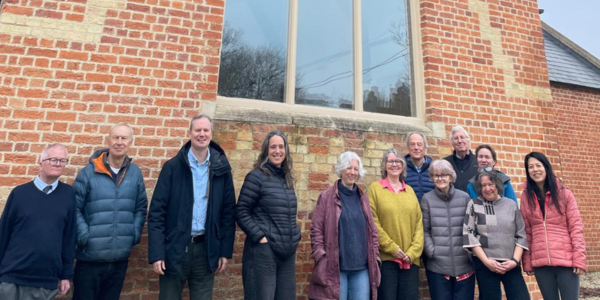
CAPZero Year Two: communities moving together toward Zero Carbon
Author
 Beth McAllister
Publication date 7 July 2026
The Community Action Plan for Zero-Carbon Energy (CAPZero) is showing what good partnership looks like in practice. Across West Oxfordshire, communities, businesses, local authorities and organisations are taking practical steps towards a more sustainable community together, and the results are tangible. Here we look at what the project achieved in its second year.
Unlocking investment in local businesses
Working in partnership with Energy Solutions Oxfordshire (ESOx) and West Oxfordshire District Council (WODC), CAPZero has supported three local organisations to secure match funding through the Low Carbon Hub Green Fund and WODC’s Sustainable Tourism Fund, almost £30,000 in grants that have unlocked just under £100,000 of investment in carbon-cutting measures.
Fourteen businesses and organisations across the area have received a free energy assessment, with reports worth a combined £21,000. Together, those assessments have identified 50 tonnes of potential CO₂e savings per year.
To build on this momentum, CAPZero held its first three business networking events in Eynsham, Freeland and Hanborough bringing local organisations together to share knowledge, explore opportunities and make connections that go beyond what any single business can achieve alone.
Community groups driving change on the ground
Community partnerships are at the heart of how CAPZero works and the groups involved have had a particularly busy year.
GreenTEA and First & Last Mile have each been awarded £5,000 through Low Carbon Hub’s community grants programme. GreenTEA is putting that funding toward an Eynsham Energy Saving Homes weekend in September, inspired by Low Carbon Oxford North and designed to give local residents a first-hand look at what low-carbon living looks like in practice. First & Last Mile, a community transport group that came close to folding earlier in the year, has bounced back to trial a new Saturday service, a real demonstration of community resilience.
Go Green Hanborough received funding from Westmill Solar Co-operative to purchase a thermal imaging camera, and has partnered with teenagers completing their Duke of Edinburgh award to thermally image homes across the village, identifying heat loss and helping residents understand where improvements could make the biggest difference.
Freeland Energy Group has continued to play a central role in CAPZero delivery, conducting a village survey, organising local events, attending Working Group meetings and working closely with the Freeland Hub Project, which is refurbishing the Methodist Chapel as a community social hub, to ensure the building is brought up to high environmental standards.
A guest newsletter written for the Eynsham Partnership Academy Trust reached 2,000 local families, extending the programme’s reach into households across the area.
More homes going low carbon
Between April 2025 and March 2026, a growing number homes in the CAPZero area installed renewable technologies, with a total of 104 domestic installations: 51 homes added solar panels, 19 installed heat pumps and 33 added battery storage. That’s 43 more than in the same period the previous year, and with further data still to come in, the trend is encouraging with installation rates appear to be rising compared to the five years prior.
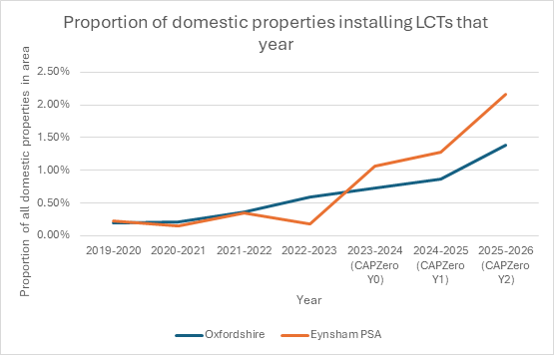
To underpin this monitoring, Low Carbon Hub has signed a data-sharing agreement with MCS, enabling us to receive monthly data on renewable installations across the area. Understanding what’s happening on the ground is essential to making the case for zero-carbon energy system and shaping future support.
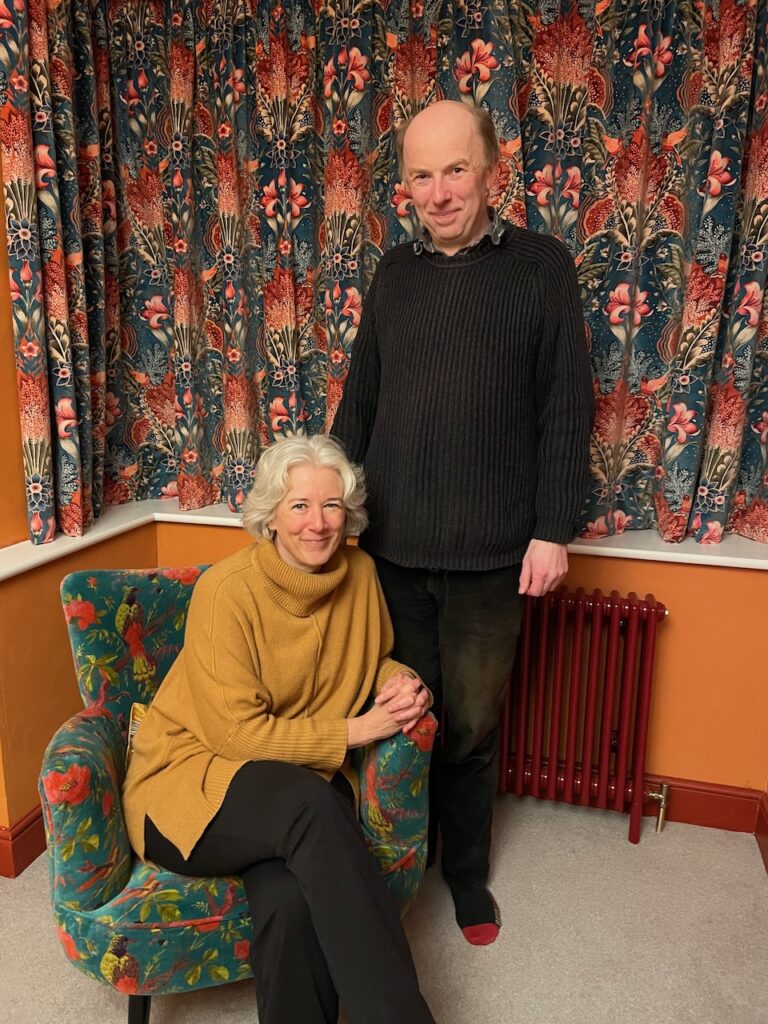
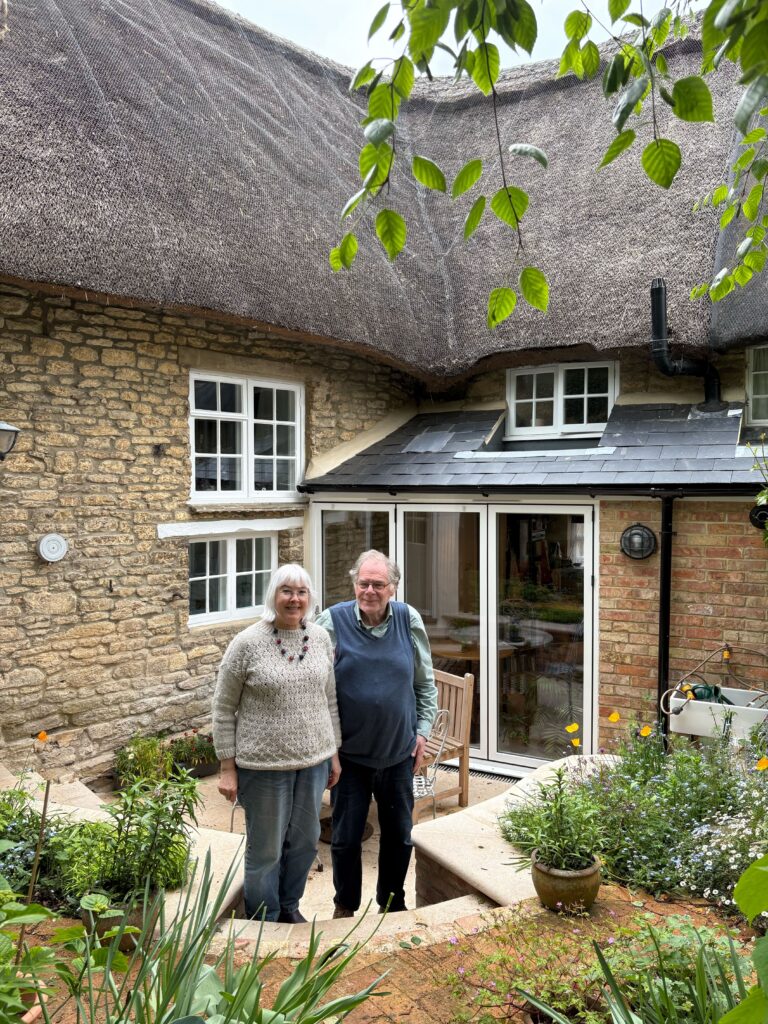
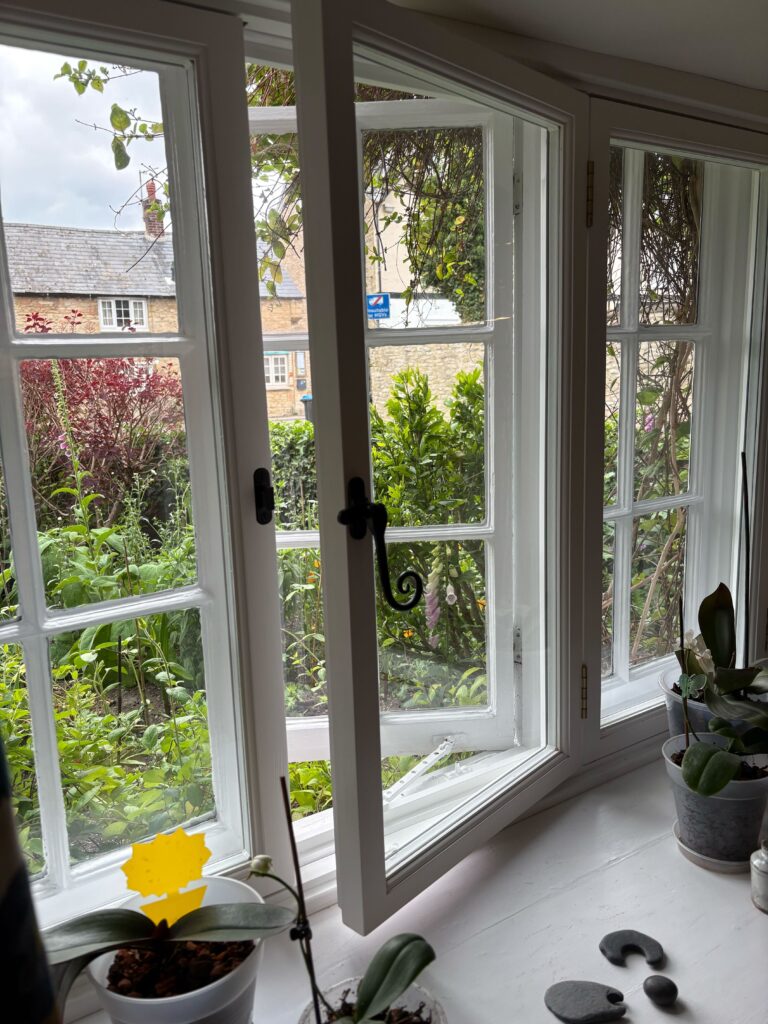
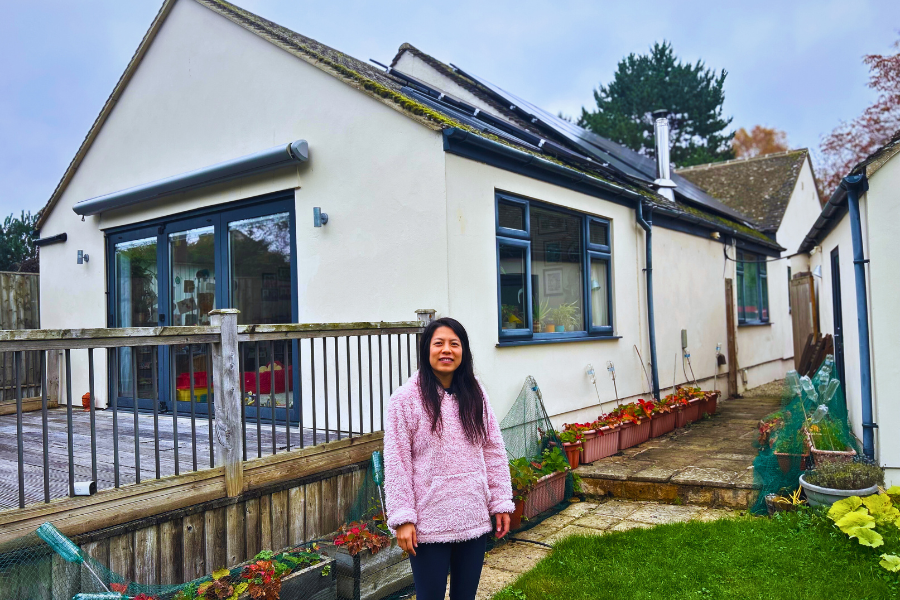
You can read some case studies of homeowners taking action in the CAPZero area here:
- An old house with new challenges
- An interview with a sustainable homeowner in West Oxfordshire
- Energy efficiency and comfort in an 18th century home
A landmark planning victory at Salt Cross
One of the year’s most significant milestones came in February 2026, when a government-appointed Planning Inspector backed West Oxfordshire District Council’s vision for Salt Cross Garden Village reinstating the Net Zero Carbon Development policy that sets ambitious energy efficiency requirements for all new buildings on the site. This reversed a previous government decision that had stripped out those requirements as a condition of the development going ahead.
It was a hard-won outcome, achieved through sustained campaigning by the council and community members who refused to accept the weaker version of the plan. It means that all buildings at Salt Cross must now be net-zero on site – a genuine landmark for new development in the area, and a signal to other communities that ambitious local planning policy is worth fighting for.
Active travel and nature recovery
CAPZero’s work extends beyond buildings and energy. Residents and community partners have contributed to the development of the Local Cycling and Walking Infrastructure Plan for Eynsham and the surrounding area, working with Oxfordshire County Council to highlight local issues and opportunities for improving active travel routes.
Nature recovery work has continued too. The Long Mead Foundation and the Nature Recovery Network have planted 3.35km of hedgerow in West Oxfordshire since 2020 and created around 40 hectares of species-rich floodplain meadow, a quieter but vital strand of the low-carbon transition.
Thank you to our partners
None of this work happens without the commitment of the people and organisations who show up, week after week, to make it real: GreenTEA, Freeland Energy Group, Go Green Hanborough, First & Last Mile, parish councillors, local authority leaders and local businesses across the area. Their energy, expertise and dedication are what CAPZero is built on.
CAPZero is a Low Carbon Hub programme delivered in partnership with communities and organisations across West Oxfordshire. Find out more and get involved.