
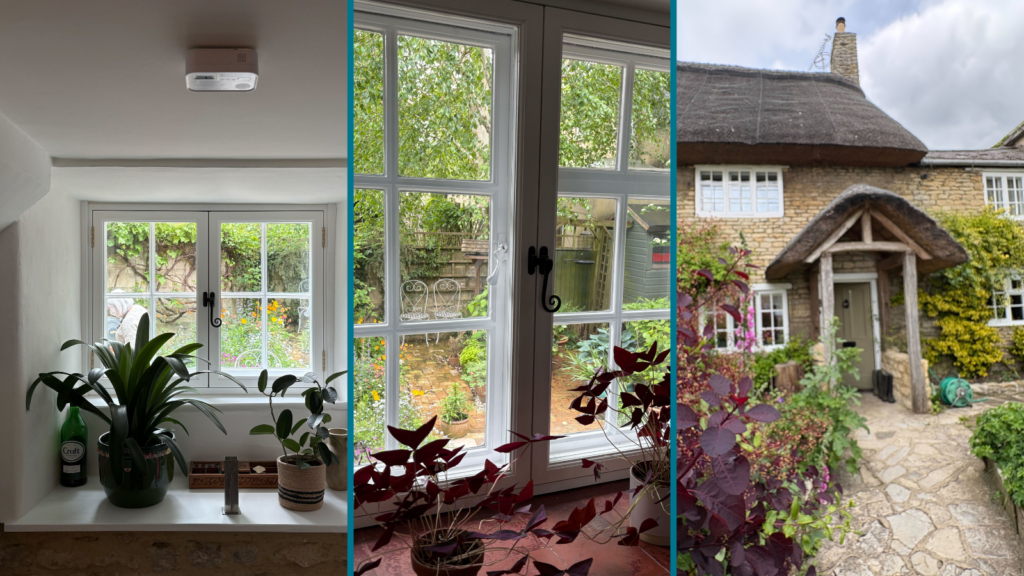
An old house with new challenges
Author
 Cathy Ryan
Publication date 5 February 2026
The time needs to be right for retrofit
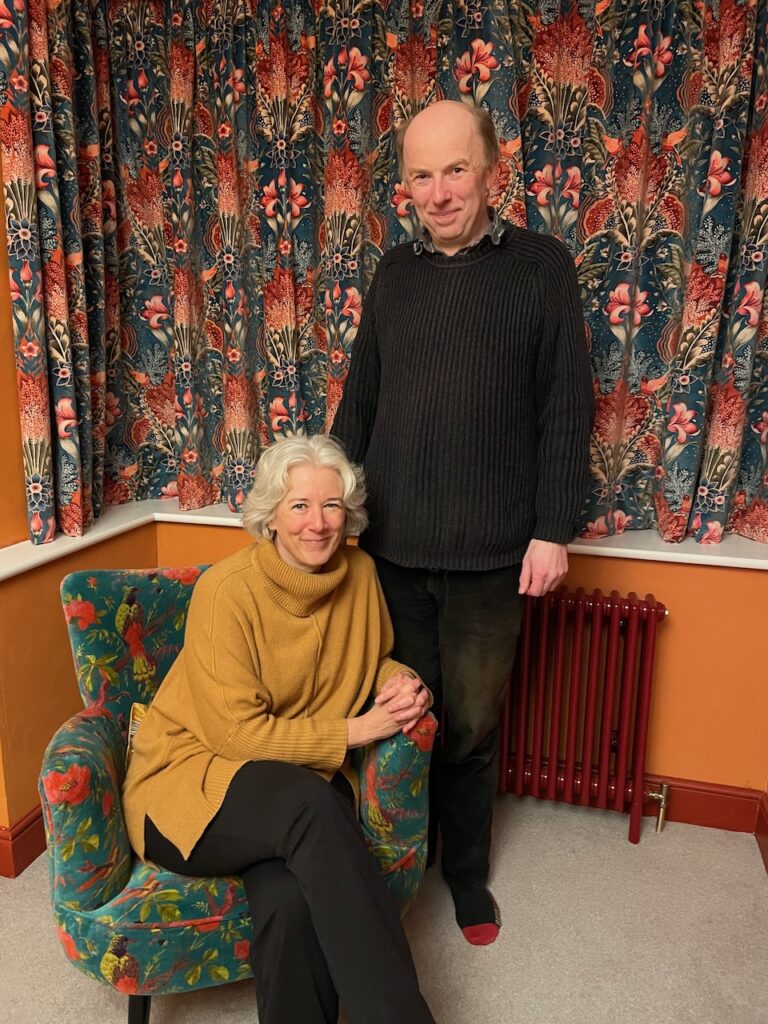
When Lucy and Ian bought their Edwardian detached house in Eynsham 20 years ago, they had enthusiastic plans to renovate the property. They planned to tackle cold spots and areas of damp but soon found that combining full time work with a busy family life and volunteering in the community, left very little time for home improvements.
The couple openly admit that when they purchased the property they didn’t know much about the care of old houses or climate change but were becoming concerned about the environment and really wanted to install solar panels. Eynsham is lucky to have a thriving environmental community group; Green TEA, who were able to provide Lucy and Ian with advice and tips from other residents on installing solar PV.
What motivated Lucy and Ian to begin their eco-renovation?
As their interest in the environment grew, the couple’s main objectives were to reduce their energy usage and make the house warmer and well insulated, in preparation for possibly replacing their gas boiler with a heat pump.
Joining Green TEA marked the beginning of a long association and Lucy became an active and committed member of the group, caring passionately about reducing the effects of climate change.
Lucy developed a particular interest in home energy efficiency and became involved in Green TEA’s thermal imaging campaign of local homes. She is now an experienced and proficient thermal camera user and has taken thermal images of over 400 homes in the community, helping residents to see where their homes might be leaking heat and letting in cold draughts.
About the home
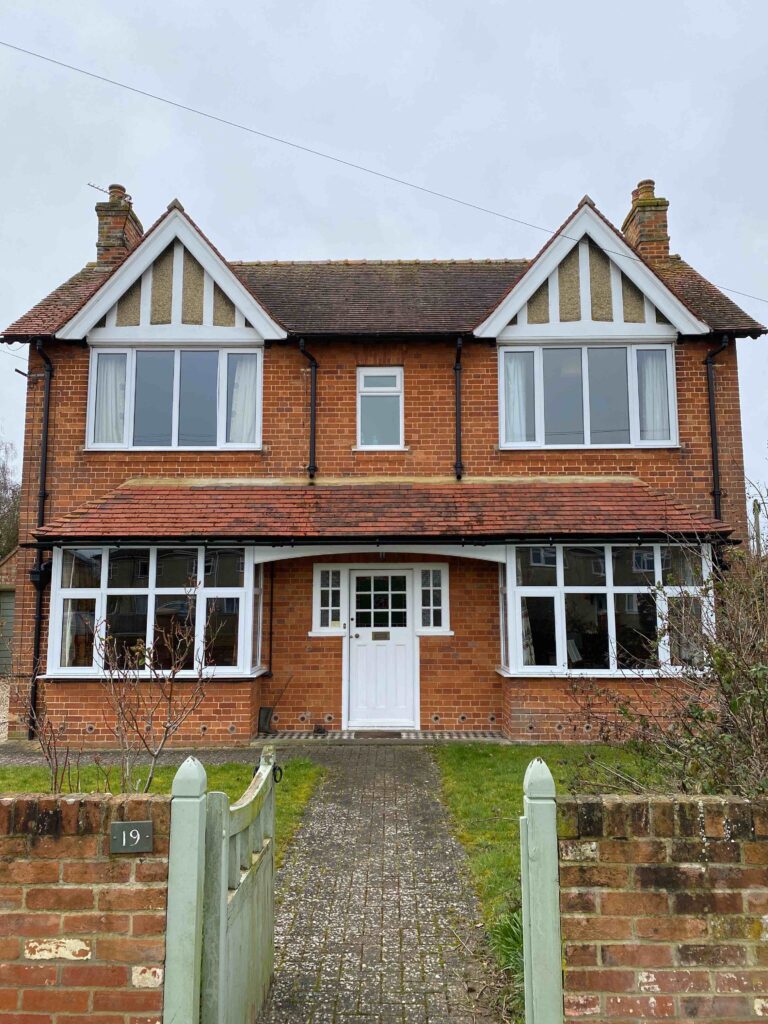
The main part of the Edwardian house has solid walls with an unusual Edwardian Cavity brick wall filled with insulation, which may have settled or slumped over the years. An old ventilation system was adding to the damp and early cavity walls from this period, without the benefit of modern damp-proof courses, can be prone to penetrating and rising damp.
The house has suspended timber floors in the main rooms and a solid floor in a small side extension.
The house is heated by a condensing gas boiler and an open fire in the living room.
The windows are all double-glazed and the roof is insulated to 250mm with mineral wool.
A holistic fabric-first approach
Ian and Lucy knew that they wanted to use sustainable materials to improve the energy efficiency of their house and received a small grant, around ten years ago, to have an energy assessment of their home. The survey introduced them to the benefits of internal wall insulation which they installed in their bedroom and immediately noticed an increase in warmth and comfort. They improved their kitchen at the same time but the house remained difficult to heat, with cold spots and persistent damp problems that required investigation and remedial work.
Ian and Lucy contacted Cosy Homes Oxfordshire around five years later, having heard about them through Low Carbon Hub, and were drawn to the fabric first approach and the reassurance provided by the work being overseen by a Retrofit Coordinator. Cosy Homes carried out a new energy assessment of the house and prepared a bespoke Whole House Plan that recommended a phased approach to improvements, starting with the following measures:
- Increased loft insulation
- Cavity wall insulation extraction and refilling
- Internal wall insulation in the living room
- New front door
- Increased ventilation
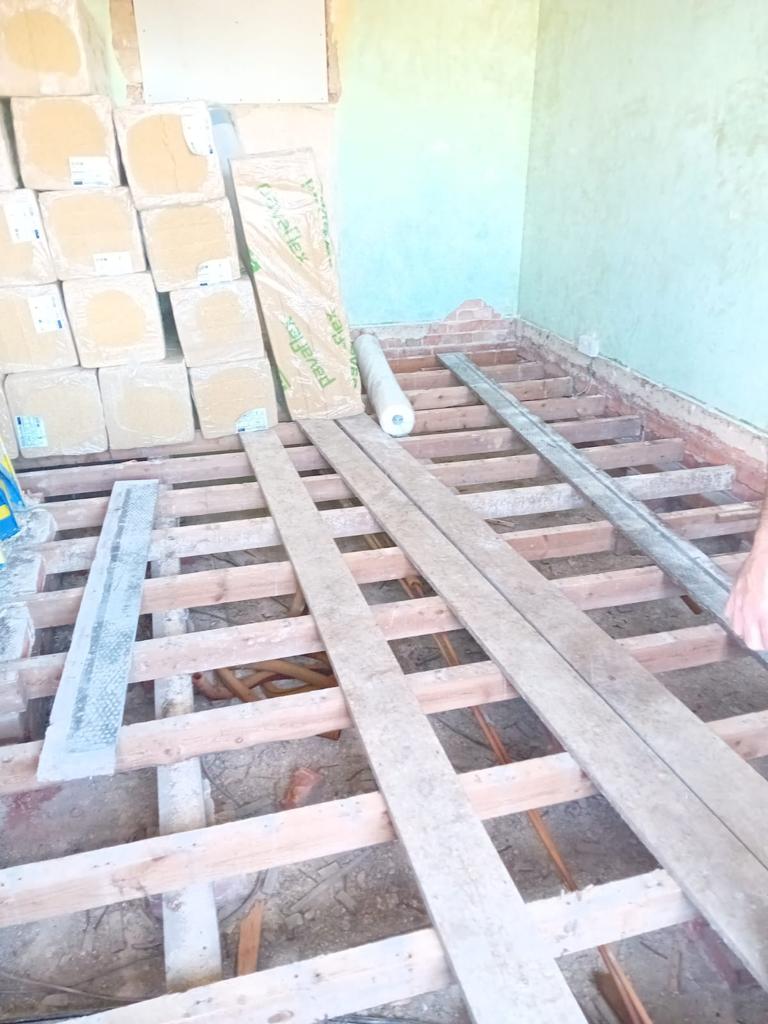
- Underfloor insulation for suspended timber floors
Ian was relieved to find an organisation with expertise and said of Cosy Homes Oxfordshire: “It was good to meet people who understood Edwardian homes with solid walls and knew what they were talking about”
Beginning a home retrofit can be daunting and many things can get in the way, from budget constraints to fear of disruption, but Ian and Lucy, like many people, had to reluctantly put their plans on hold because of Covid and the subsequent rise in prices of materials.
It takes time to be ready for retrofit
A few years later, as a very busy period with work and family life began to ease, they felt confident to start their retrofit journey.
Cosy Homes Oxfordshire organised urgent remedial work to halt the damp issues and organised one of their vetted contractors to dig an external trench to install a new French Drain that would redirect surface water away from the house to a soak-away. One of the most common reasons for installing a French Drain is damp appearing within the body of an external wall, which can lead to damaged plaster, stonework and rotten wood.
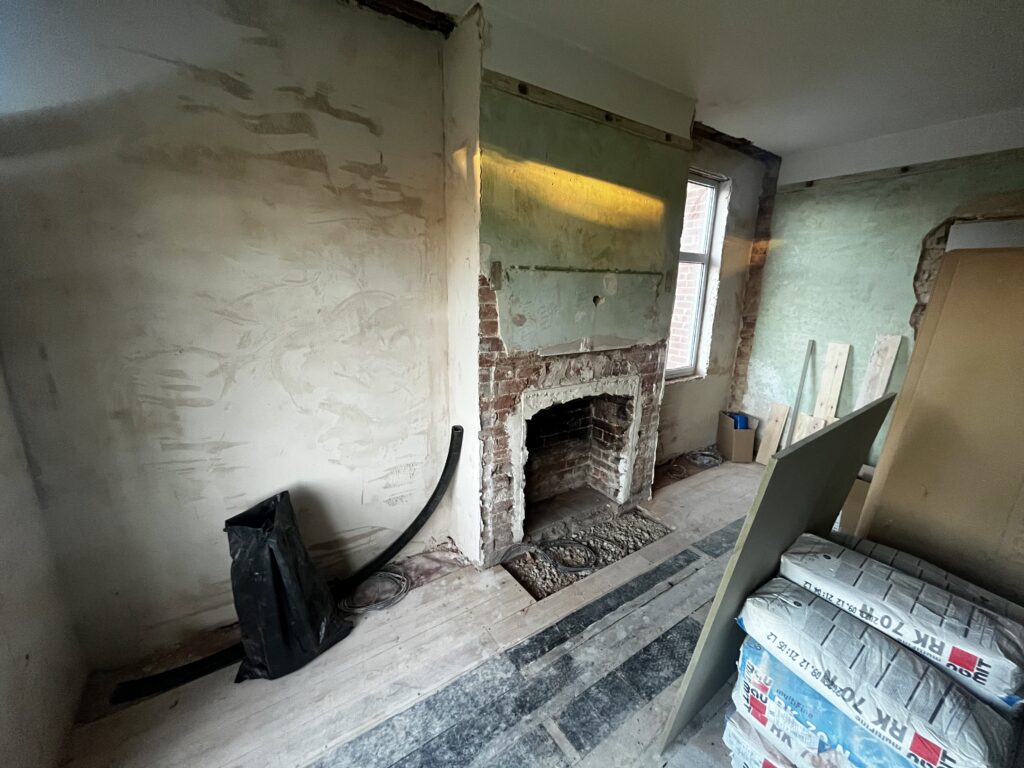
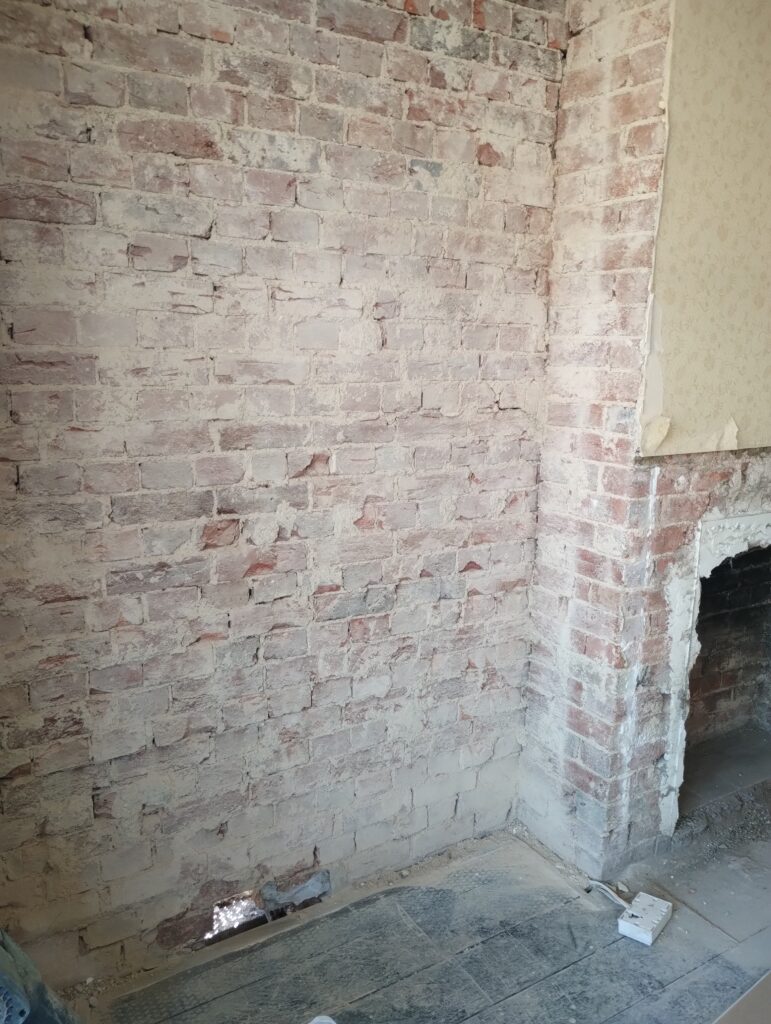
The lounge at the front of the house had been affected by damp and was a particularly cold room. The old lime plaster was completely stripped away, the old unused fireplace was removed, and wood fibre insulation and new lime plaster was applied to the internal walls of the lounge. Lucy commented: “Finding builders to work with lime plaster was very difficult so we were glad to find an organisation that understood how to work with sustainable materials like lime plaster”
It was a dramatic and disruptive overhaul of the room and following installation of underfloor insulation; the lounge was decorated with breathable paint and eventually finished. It looks fantastic and Lucy and Ian agreed that is the room that the family enjoy and gravitate towards on cold Winter evenings.
“The lounge was really cold and now it’s really cosy”
Lucy and Ian are now considering the next phase of their retrofit and deciding whether and how to move from a gas boiler and install a heat pump.
This home sits within the CAPZero area, where the Low Carbon Hub is working with communities across West Oxfordshire to understand how the area might move toward a zero-carbon local energy system.