
Solar farms and wildlife
It’s a better story than you’d think
Author
 Christian Guthier
Publication date 12 May 2026
Fields of solar panels and wildflower meadows – it sounds unlikely. But the evidence tells a more interesting story.
What’s really in those green fields?
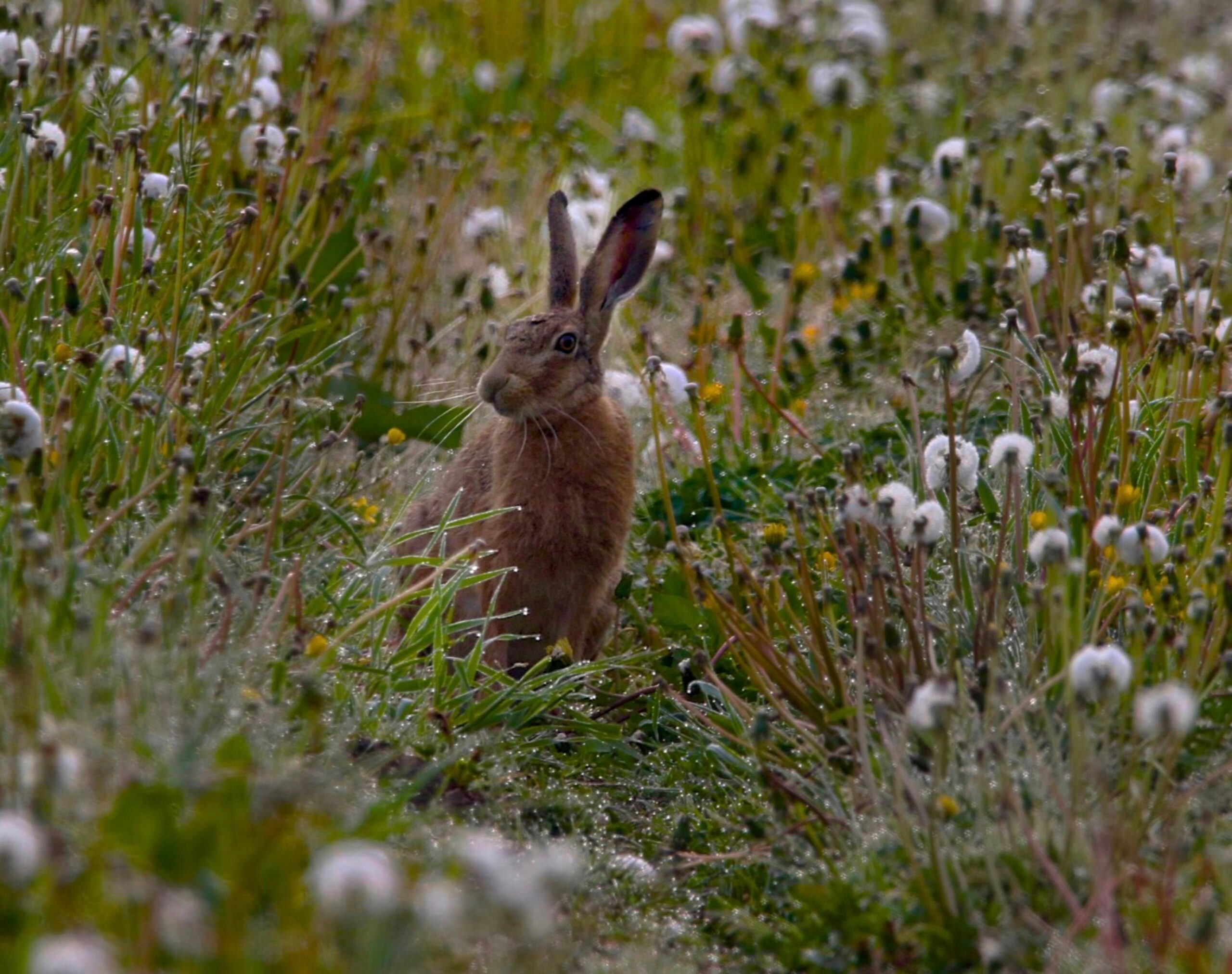
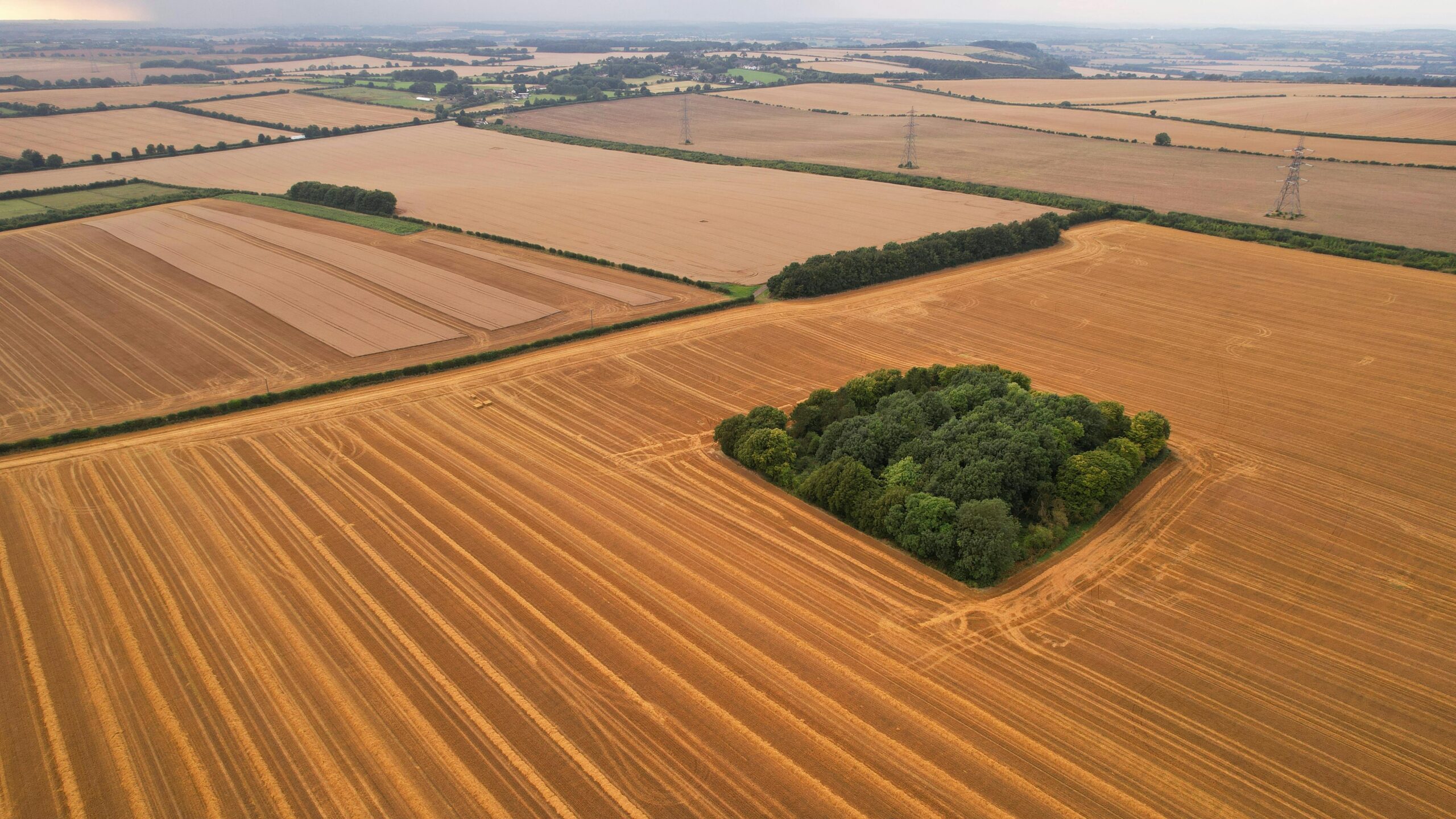
We see rolling green fields and assume nature is thriving. But most of the land where solar farms are built isn’t the wildlife haven it appears. It’s intensively managed arable farmland – ploughed, sprayed, and cropped on rotation – or grassland seeded with a narrow range of grasses, designed to feed cattle rather than nature. Over decades, this kind of management has depleted the soil, stripped out habitat, and pushed wildlife to the margins.
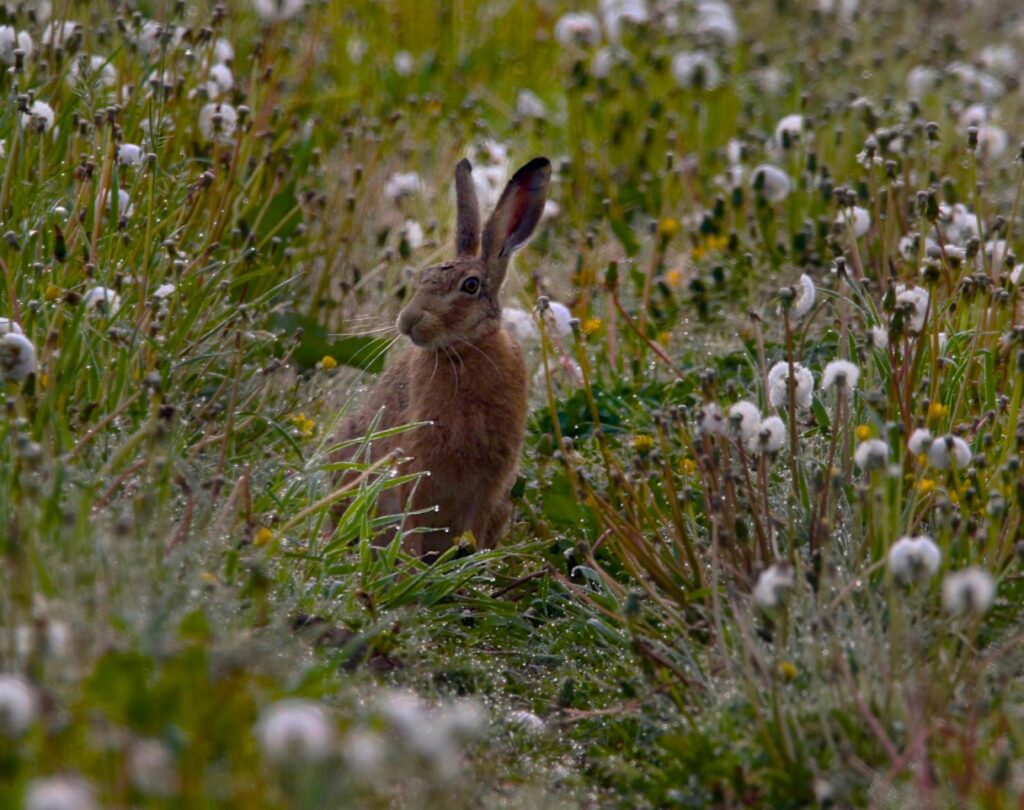
The hedgerows are sparse. The ponds have gone. The farmland birds that filled these fields a generation ago, like skylarks, yellowhammers, and grey partridge, have been in steep decline across the UK for years.
So the real question isn’t solar against nature. It’s solar compared to what we already have.
Facts, not fiction
Solar farms managed with nature in mind turn out to be genuinely good for wildlife.
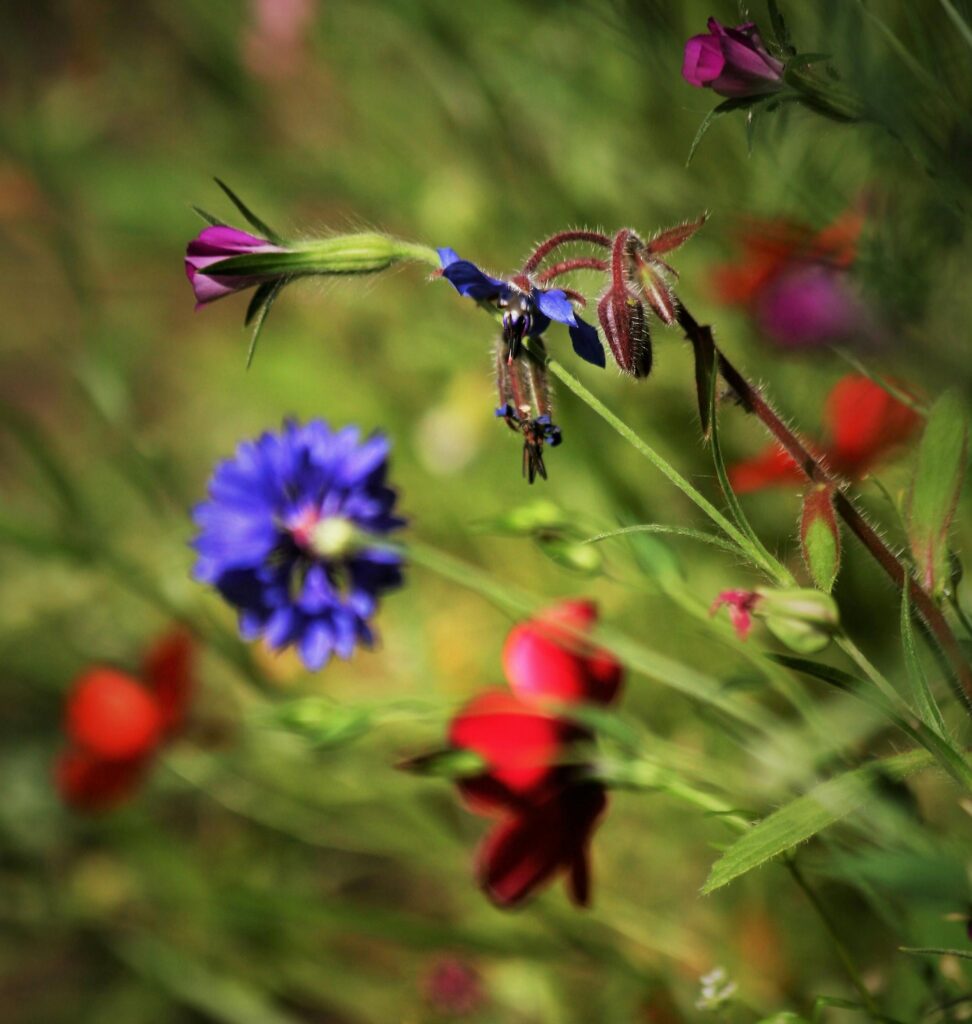
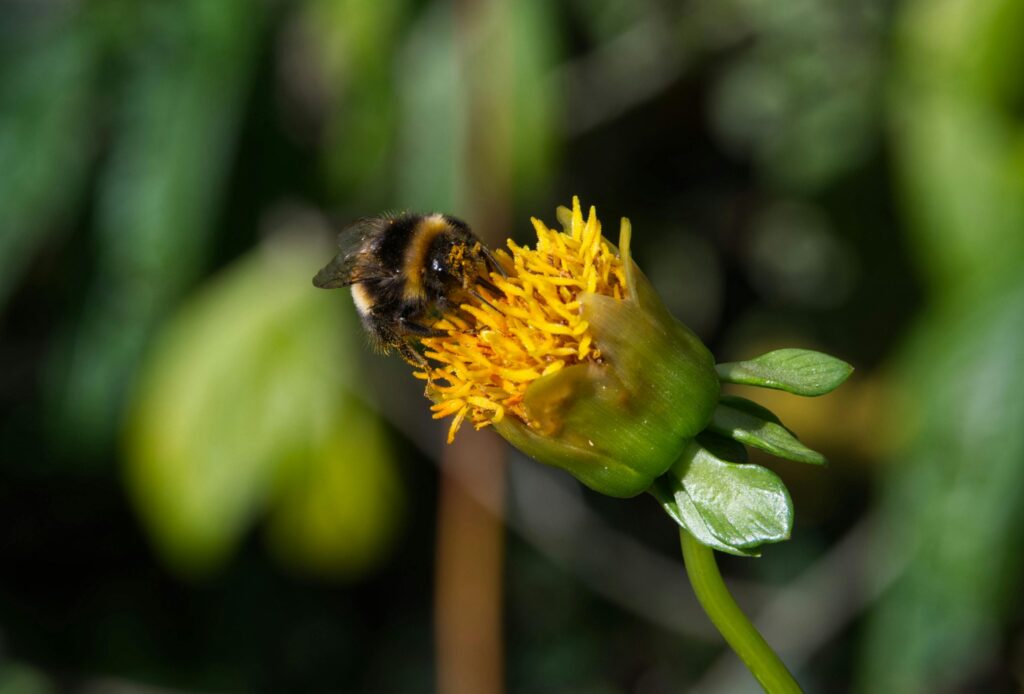
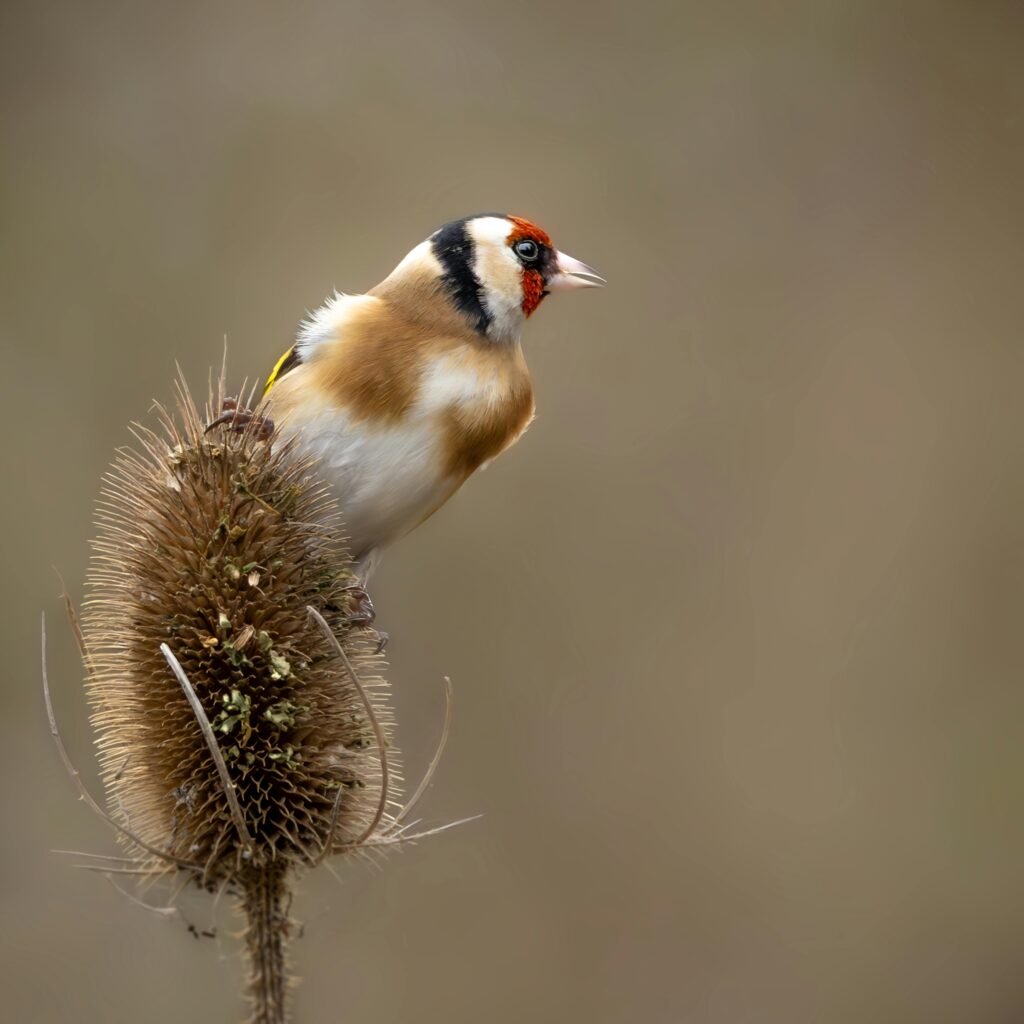
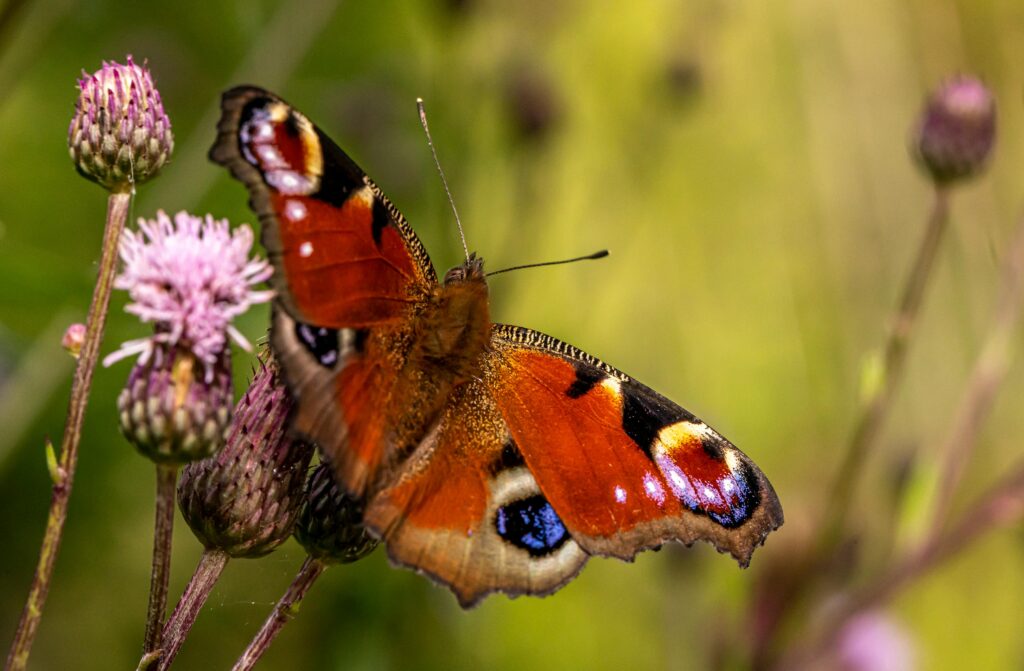
The latest Solar Habitat report, published in 2025 and drawing on data from 124 UK solar sites, found that well-managed sites are becoming important habitats in their own right. Across 63 solar farms surveyed, over 7,400 individual birds from 94 species were recorded, among them nightingales and cirl buntings (Emberiza cirlus), both red-listed species struggling to find suitable habitat elsewhere. Nearly 3,000 butterflies and bumblebees were counted across 29 species, including the vulnerable small heath butterfly.
A separate study from the University of Cambridge, looked at bird populations on solar farms in the East Anglian Fens. Solar farms with varied habitats – long grass, hedgerows, structural variety – supported around three times the bird abundance of the surrounding arable farmland.
The pattern is consistent: where sites are designed and managed with wildlife in mind, nature responds.
What about the farming?
A common argument is that solar takes productive land out of food production. It’s a fair challenge. But the answer is that it doesn’t have to.
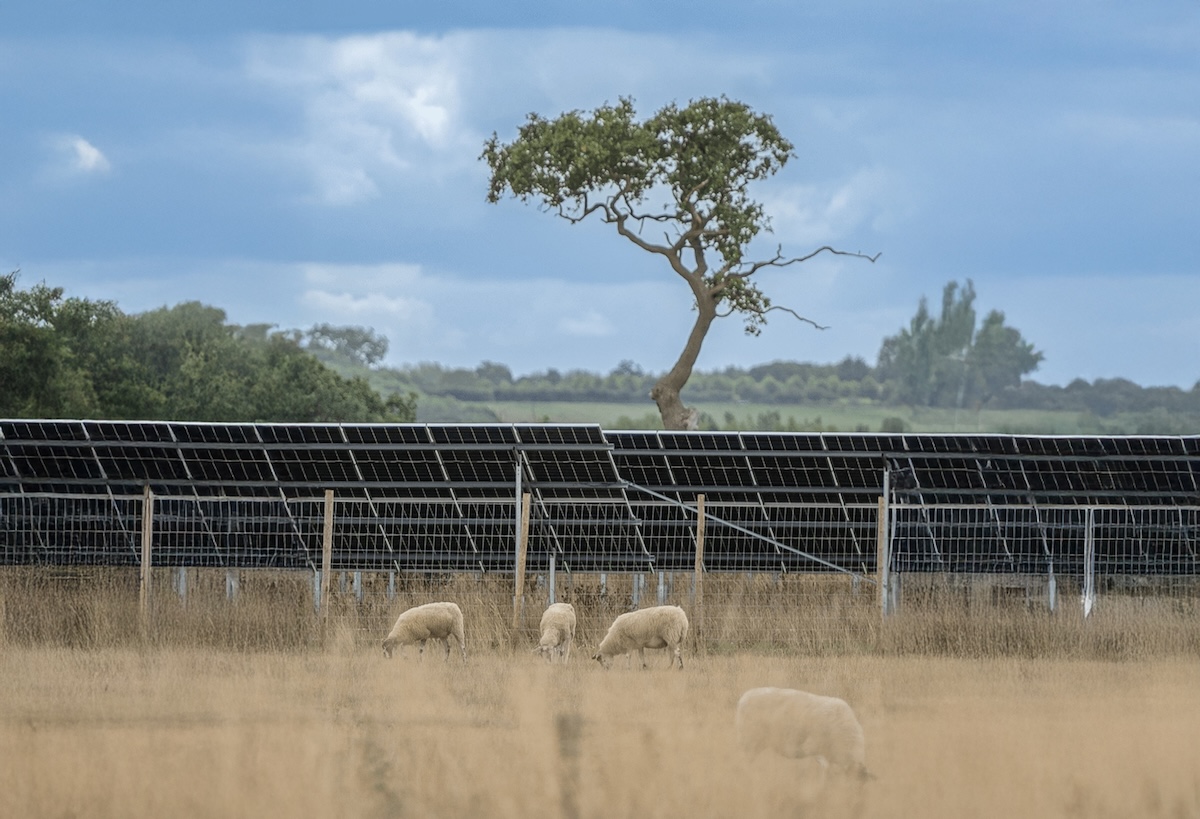
Agrivoltaics – combining solar generation with agriculture – is already common practice across the UK. Sheep are a natural fit: they’re the right height to graze under panels, they keep vegetation in check without machinery, and they can be stocked at the same density as in a conventional field (which often is not suitable for ploughing). The short, grazed sward they create is also good habitat for ground-feeding birds and invertebrates. The land keeps producing food and wool. The panels keep producing energy. Farmers can benefit from both.
And even if you set agrivoltaics aside: meeting the UK’s entire solar target by 2050 would use less than 0.4% of UK land, roughly half the space currently taken up by golf courses. As Professor Nick Eyre of the University of Oxford puts it: “The UK could supply 20% of the total energy we will need in 2050 using solar panels, by covering only the same area currently used for golf.” Rooftop solar has a real role to play too, but it can’t be scaled up fast enough on its own. Both matter.
What it looks like at Ray Valley Solar
At our own site in Oxfordshire, biodiversity isn’t an afterthought. It’s part of how the site works.
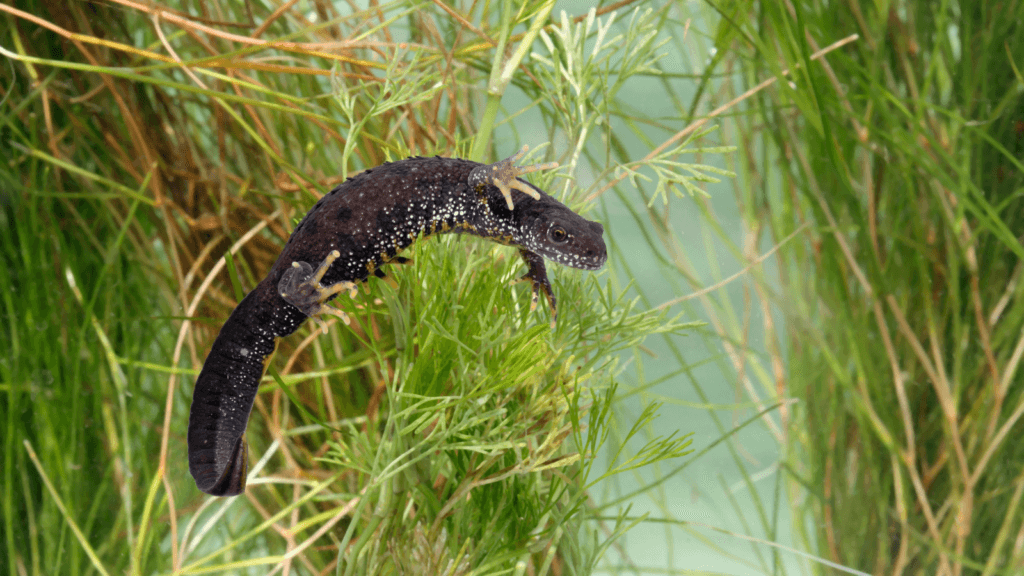
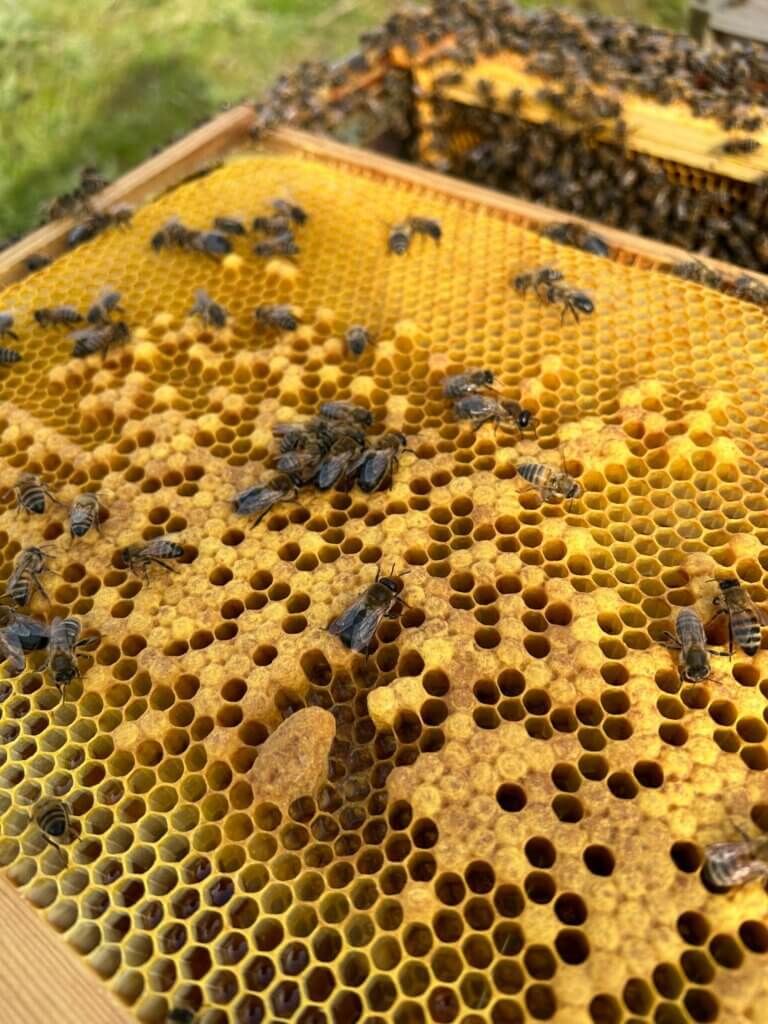
A thriving colony of Buckfast bees has been established on site, producing Solar Honey and supporting pollination across the surrounding area. We’ve planted a wildflower meadow, created new ponds, and are working with an expert ecologist to protect and increase the population of great crested newts – one of the UK’s most protected species, and one that’s thriving here.
New legislation requires all solar developers to demonstrate a minimum 10% biodiversity net gain. Given that most sites start from heavily depleted farmland, that bar is arguably easy to clear – and many developers are going much further, with some planning applications now offering gains of 70% or more.
And it’s not just solar
The same thinking runs through everything we do. At Sandford Hydro on the river Thames, the installation of a fish pass has allowed salmon, eels, and a range of other species to move upstream beyond the Lasher Weir for the first time in over 400 years. Bat boxes were installed in retained trees throughout the project.
The bigger picture
The energy transition is sometimes talked about as if it means choosing between a healthy planet and a functioning one. The evidence from sites across the UK – and from our own backyard – suggests that’s a false choice.
Note: we’ve also written a companion piece on the energy security and lifecycle case for solar: The fuel that never runs out.