15 years of Low Carbon Hub
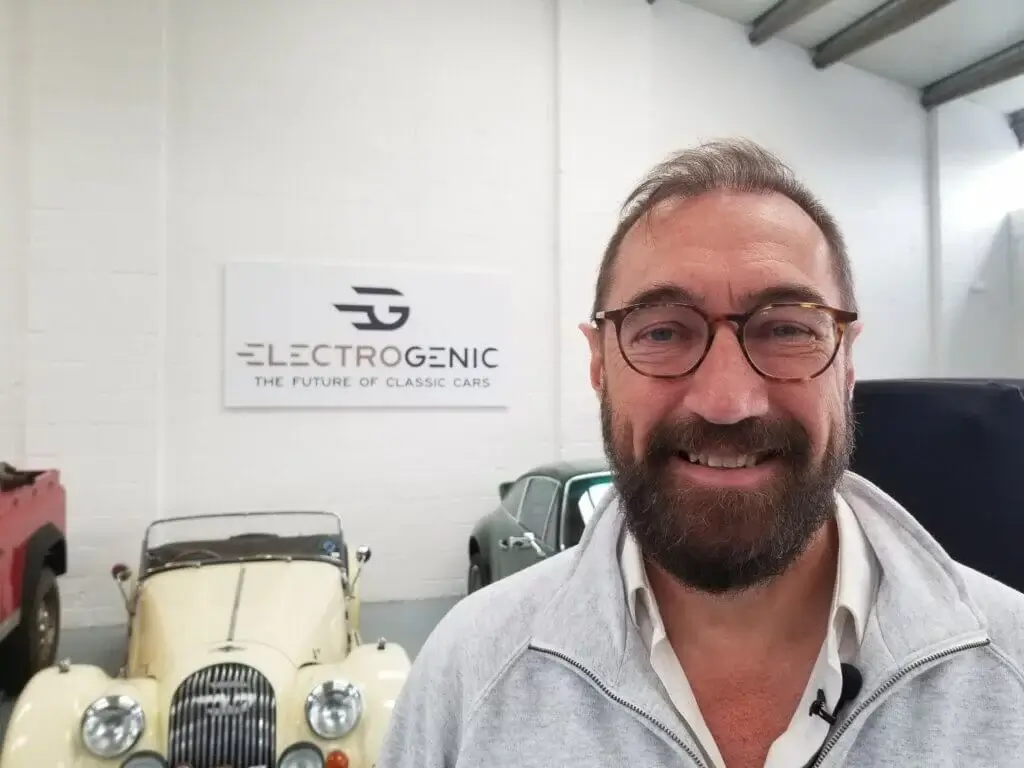
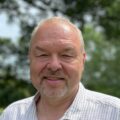
Five minutes with our Chair, Steve Drummond
- Publication date
- Author
-
 Christian Guthier
At our AGM on 12 October, shareholders joined us online to review what we’ve all achieved together over the past year. It also marked 15 years of Low Carbon Hub. Steve Drummond has been part of our story since the beginning. He has been Chair of our Investment Committee, and of the Board since 2023.
I asked him to look back, and forward.
Steve, you’ve been with Low Carbon Hub since the beginning. Looking back, what stands out for you?
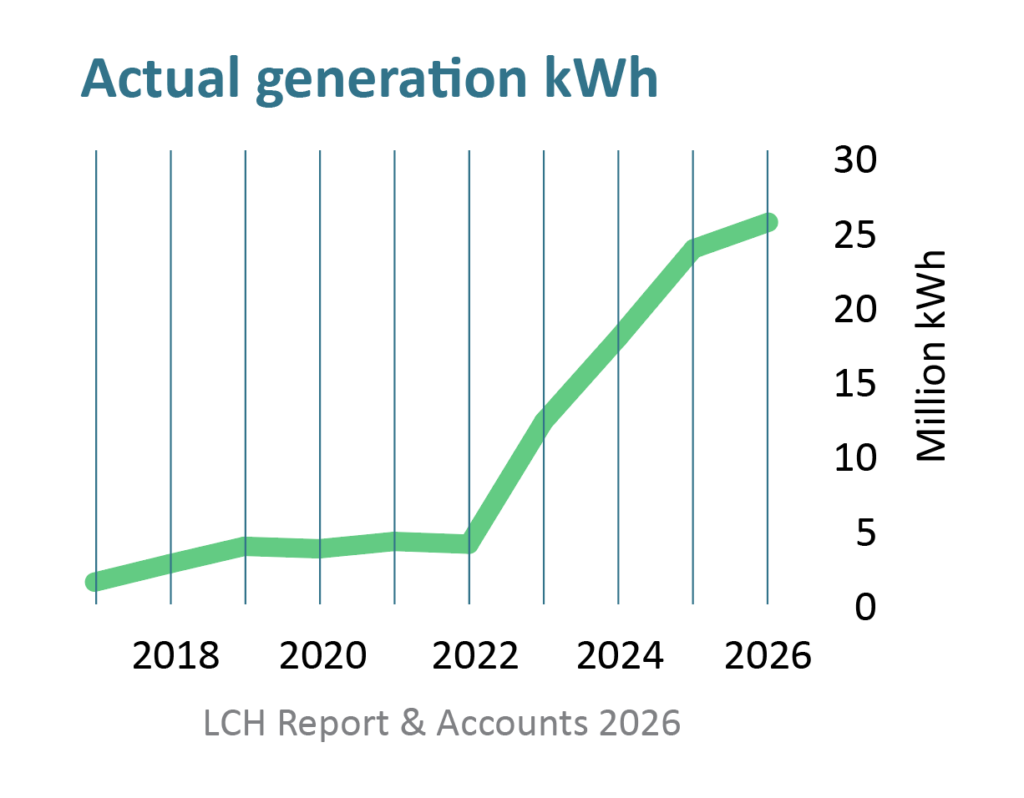
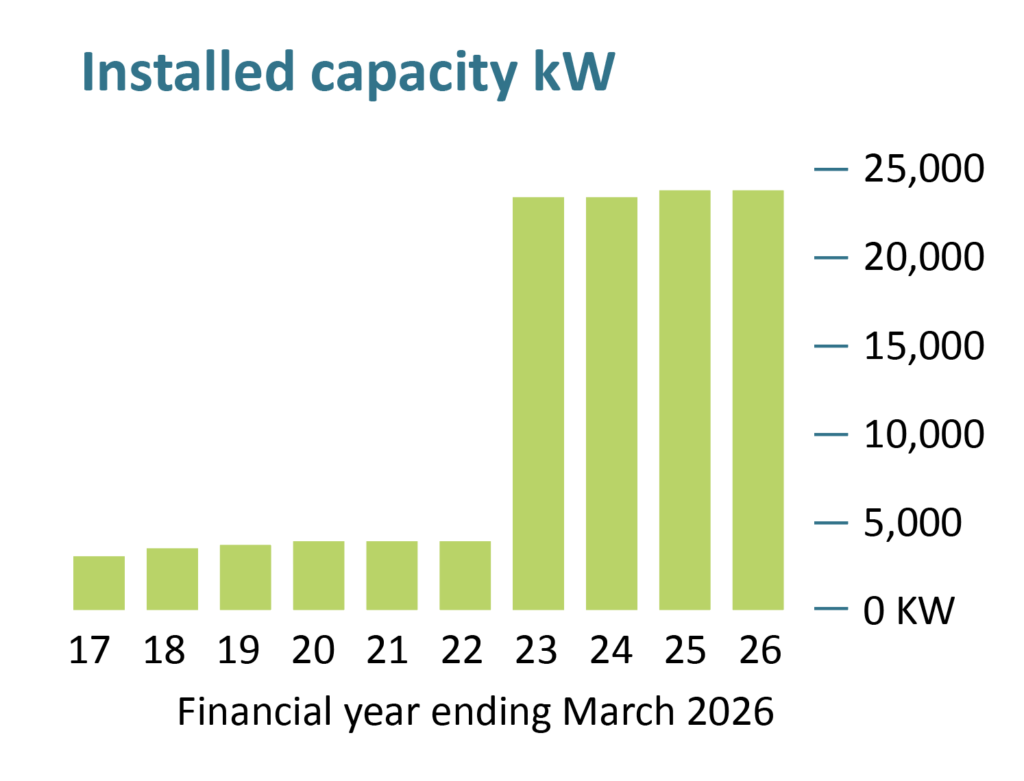
“Fifty low carbon community groups. More than fifty renewable energy projects across Oxfordshire generating community benefit funding for the next thirty years. That’s a great start. For me, one of the most exciting things about Low Carbon Hub is how it has continually changed, evolved, adopted the latest technologies and pushed the boundaries to meet the ever changing political and environmental landscape.”
Energy generation looks very different from when Low Carbon Hub began. What’s changed most?
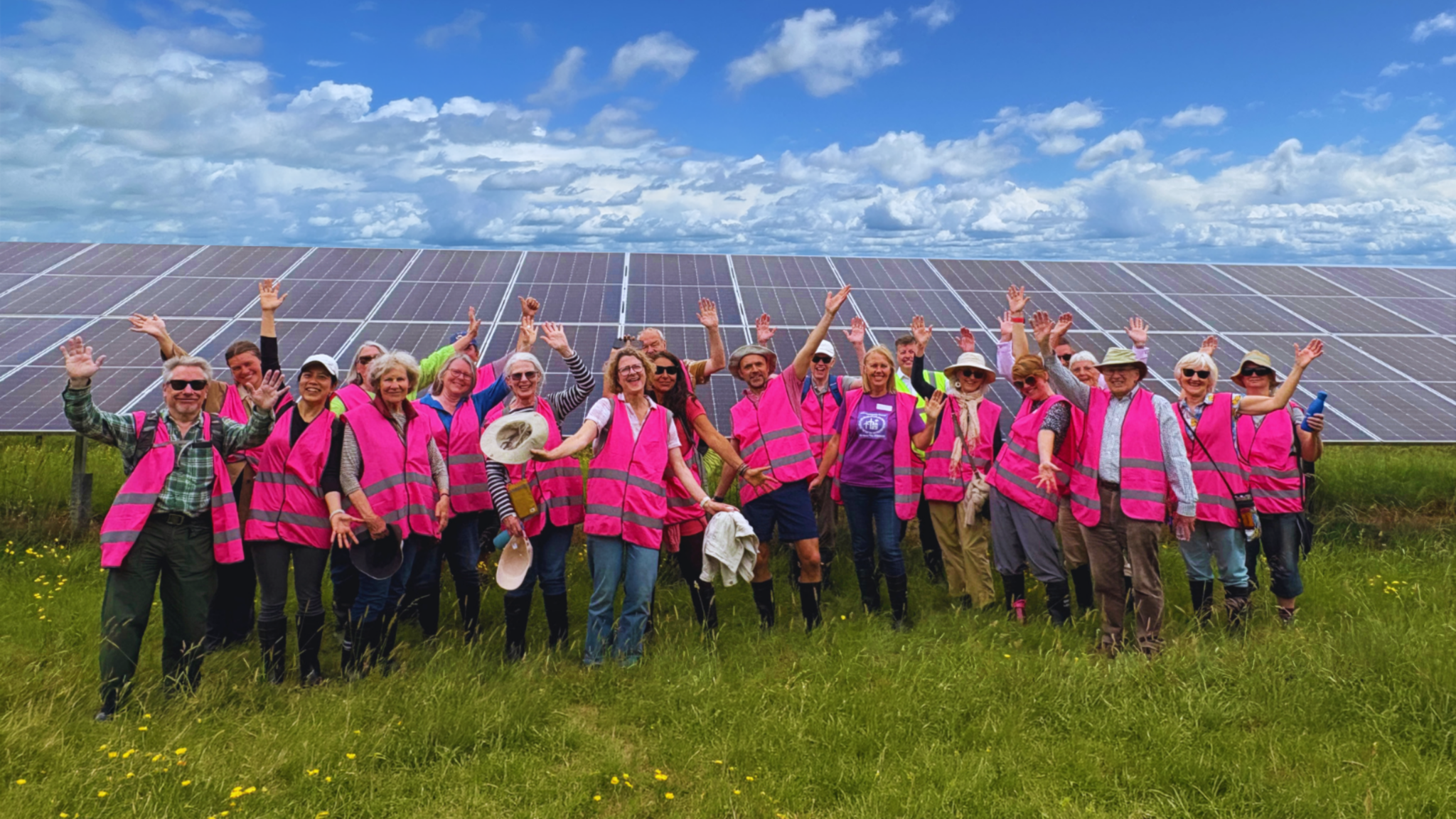
“The landscape we operate in keeps changing, and we need to keep reinventing ourselves to meet that challenge. Rooftop solar is a good example. It’s now everywhere and easily accessible, and we helped to usher that in. That’s a success story. Now it’s ground mount solar owned by the community. At Ray Valley Solar, our first project, we were the first to use bifacial solar panels in the country. That’s been a big success, and it’s vastly expanding the community benefit income we generate.
“The success of solar across the country is changing the system itself. We now have lots of solar generation in the middle of the day, when demand is at its lowest, and that’s changing the way electricity is bought and sold.
“So we’re pioneering the use of batteries at our larger sites, storing solar power from midday and releasing it at the evening peak, when it’s needed most. Ray Valley will be the UK’s first community owned solar farm with its own battery on the same site.”
You often talk about our work at the ‘grid edge’, where the energy system meets people’s homes and streets. Why does that matter so much?
“Low Carbon Hub was founded 15 years ago on the belief that the only way to make an energy revolution is to base yourself in community. Communities can come together to solve shared problems. Renewable energy works far better done together than with everybody sitting in their own houses, not talking to each other and not sharing energy. That’s what we’re pioneering at the grid edge. It runs from demonstrating new ways of generating and storing energy, through to working out how to get that energy to your doorstep most efficiently. And it’s about how people cooperate at street level, and plan the future of energy supply and use in their own communities.”
You’ve watched the organisation grow up over that time. What makes you proudest?
“It isn’t the amount of energy we generate. It’s what we do with the money. Our investors put their faith in us, and put their money where they know it will create real environ-mental and social benefit. That income lets us pave the way for renewable energy, and put funding where it will do the most good. I’m also proud of how Low Carbon Hub has grown up.
“At a recent strategy meeting, I looked around the table at the board and the team and thought: what a fantastic array of capability, knowledge, experience and sheer get up and go. And our work is held in high regard, nationally, in government, and internationally. What we’re pioneering here is watched, respected and learned from around the world. What you’ve invested in is really very special.”
And what does the next 15 years look like?
“Your investment over the last 15 years means we’re now financially independent. With careful management, we can focus on developing pathways to the UK’s low carbon future, without distraction. The thirty years of community benefit funding already locked in will grow in ever greater amounts as our projects mature and investments are repaid. And if we reinvest, that’s another thirty years beyond that, and beyond that.
“The lens through which we focus is, and will remain, change through community; change to build an energy system that’s fair, open and relevant to everybody. If you want to be part of it, find yourself a community group. There are lots of them and lots to get stuck into.
“More than anything, it’s everybody who has put investment into renewable electricity that makes all of this possible. So thank you to every investor, community group, partner and volunteer – we can only succeed together.”