
Warm Homes Plan: what’s new
Practical steps now to make homes warmer, cheaper to run, and future-ready
Author
 Christian Guthier
Publication date 26 January 2026
The government has finally launched its new Warm Homes Plan, after much delay and expectation. The plan contains a £15 billion support aimed at upgrading the UK’s ageing housing stock, cutting energy bills and supporting people living in fuel poverty.
A central feature is expanded financial support. Low-income households are promised fully funded upgrades, while other homeowners will be able to access low- and zero-interest loans to help cover the cost of clean energy improvements.
Much of the plan builds on existing policies. What’s new is not a radical change of direction, but a clearer attempt to remove some of the financial and practical barriers that have held uptake back.
Strip away the press-release language, and one thing stands out: the plan places more emphasis on making action easier to start, rather than assuming everyone can afford or manage a full home upgrade in one go.
Here’s what that means for you.
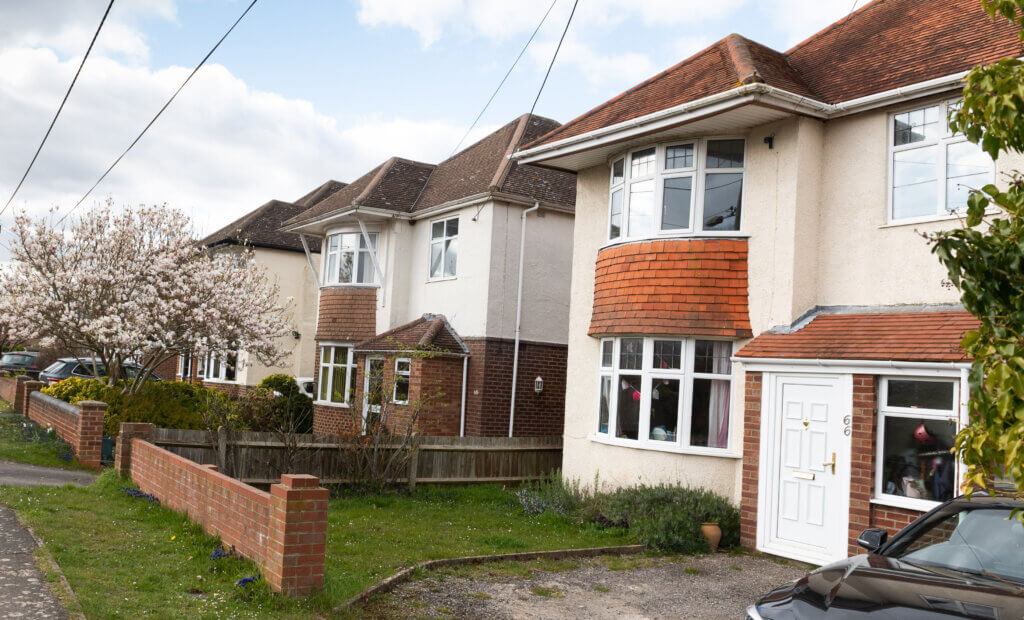
What’s included in the plan
Insulation remains essential. Heat pumps are still part of the picture. The long-term aim of warmer, lower-carbon homes has not changed.
What has changed is the assumption that everyone should begin with the hardest, most disruptive options.
What’s being emphasised more
Two things stand out.
First, financial support. By expanding grants for low-income households and introducing affordable finance for others, the plan acknowledges that upfront cost has been one of the biggest blockers to action.
Second, deliverability. Measures that are quicker to install and easier to fit around everyday life, including solar panels and battery storage, are being treated as viable starting points for more households. Not because they replace insulation or heating upgrades, but because they can be done with less disruption and, in many cases, with a shorter payback period.
They can reduce bills, cut carbon, and improve energy resilience without major upheaval. For many people, that makes them a realistic first step, not an afterthought.
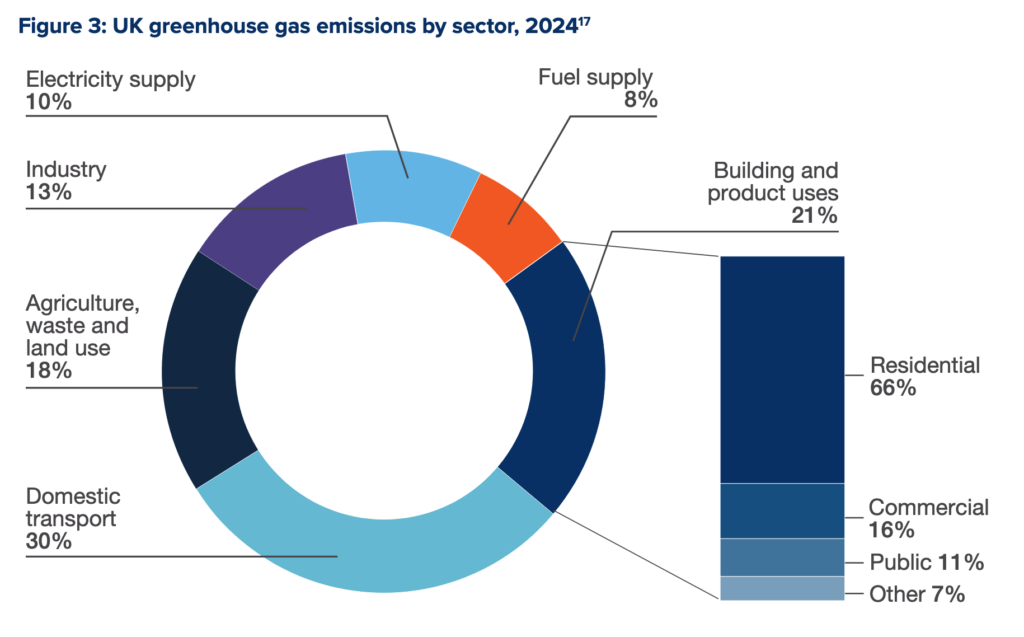
What this signals
Quietly, the plan reflects something households already understand. Whole-house retrofit works, but it is expensive, disruptive, and often unrealistic to do all at once.
Progress is more likely when people can start somewhere manageable and build over time. That might mean insulation room by room. It might mean solar first. It might mean planning now and acting later.
The community angle
Although the plan is framed nationally, much of its success will depend on what happens locally. Local authorities, community organisations, and trusted local networks play a crucial role in helping people understand their options, avoid poor offers, and take action with confidence.
This is where organisations like Low Carbon Hub already play an important role – sharing independent information, supporting local projects, and helping communities navigate change. Where that kind of local support exists, progress is likely to be faster and more resilient.
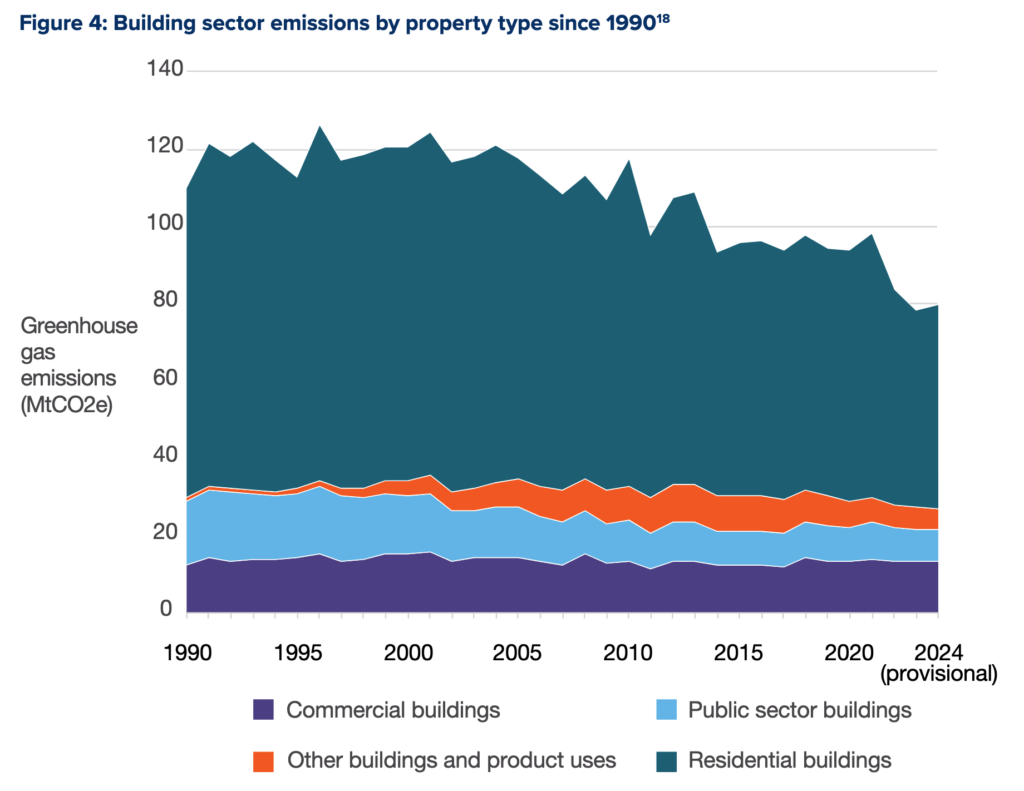
What to watch out for
Large policy announcements tend to trigger a surge of marketing activity. Some of it will be helpful. Some of it will not. We are already seeing exaggerated claims and confusing offers, particularly around solar and heating.
Clear, independent information matters.
At Low Carbon Hub, we’ve published some plain-English guides to help you make sense of your options before you commit to anything:
- If you are trying to understand retrofit as a whole, start here:
Your Home Retrofit Guide – how the pieces fit together and why order matters.
- If you are thinking about insulation: Wrap your home in insulation – what it does, where it helps most, and what to prioritise.
- If heat pumps are on your radar: The real cost of a heat pump – what affects price, running costs, and value.
- And if solar is being pitched to you right now: Is there really such a thing as free solar panels?
The Warm Homes Plan is not a reset. But it does reflect a more realistic understanding of why people have struggled to act, and what might finally help more households get started.
You can read the government’s full announcement and download the full report here.
Home Energy Newsletter
Whether you’re looking to improve your own home, or you work with a community group and want to share practical advice with others – this newsletter is for you.