
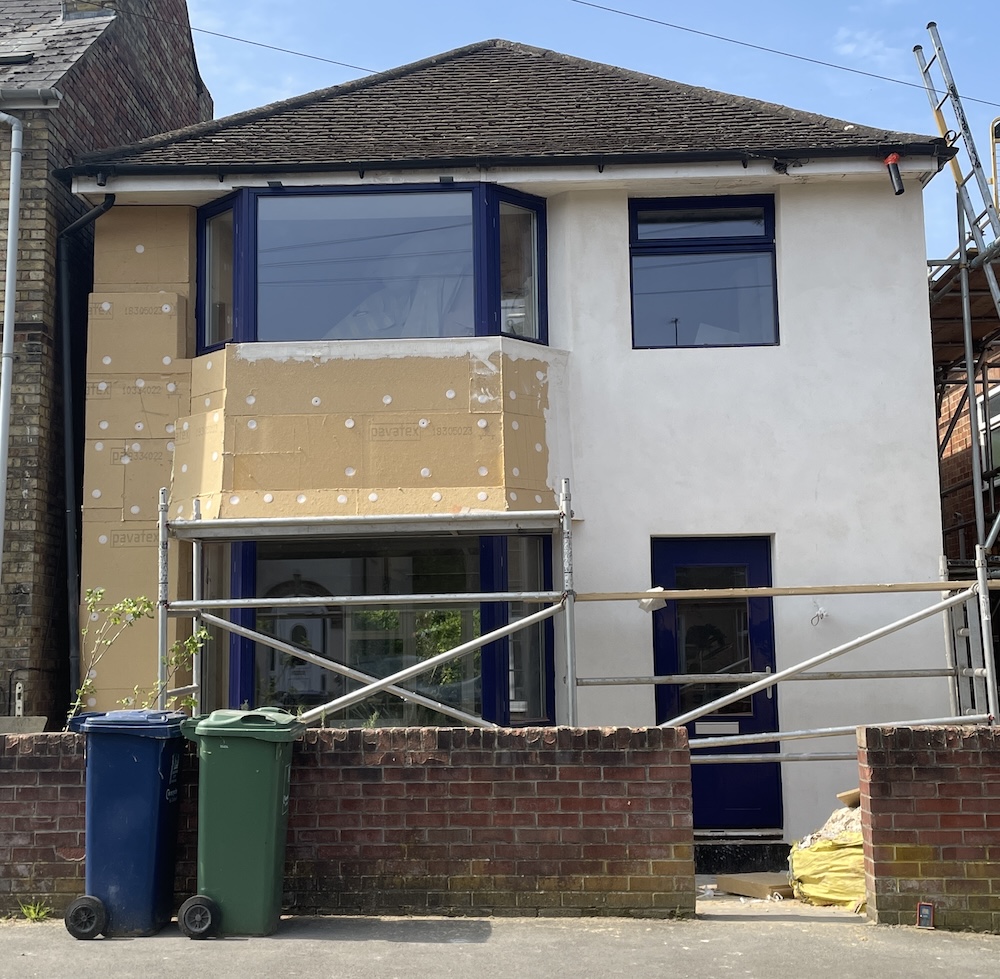
Wrap your home in insulation
Stay warm in winter, cool in summer – and cut your bills and carbon emissions
Author
 Christian Guthier
Publication date 27 November 2025
As the weather turns colder, many of us worry about heating costs and how to keep our homes warm without constantly turning the heating up.
Most of the heat we pay for escapes far faster than we realise. It slips out through the roof, walls, floors, windows and all the small gaps we don’t see – and before long, the house feels cold again.
Insulation is one of the most effective ways to slow this down. When your home is properly insulated, it holds onto warmth for much longer in winter and keeps excessive heat at bay in summer heatwaves. Rooms feel more comfortable, your heating doesn’t need to work as hard, and your energy use drops.
Heating makes up the biggest share of energy use in most homes, so cutting heat loss is one of the simplest ways to reduce bills and carbon emissions.
“If we’re going to spend money on a big measure such as loft insulation, we want to make sure it’s properly done,” says Chris from East Oxford. If you’d like to see what this looks like in practice, take a look at this real-life walk-through of a whole-house insulation upgrade.
Starting from the top…
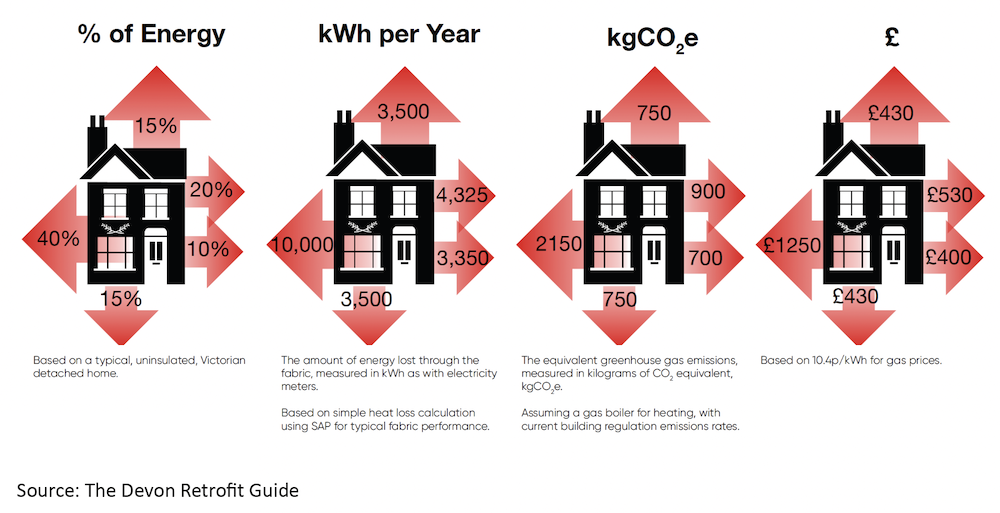
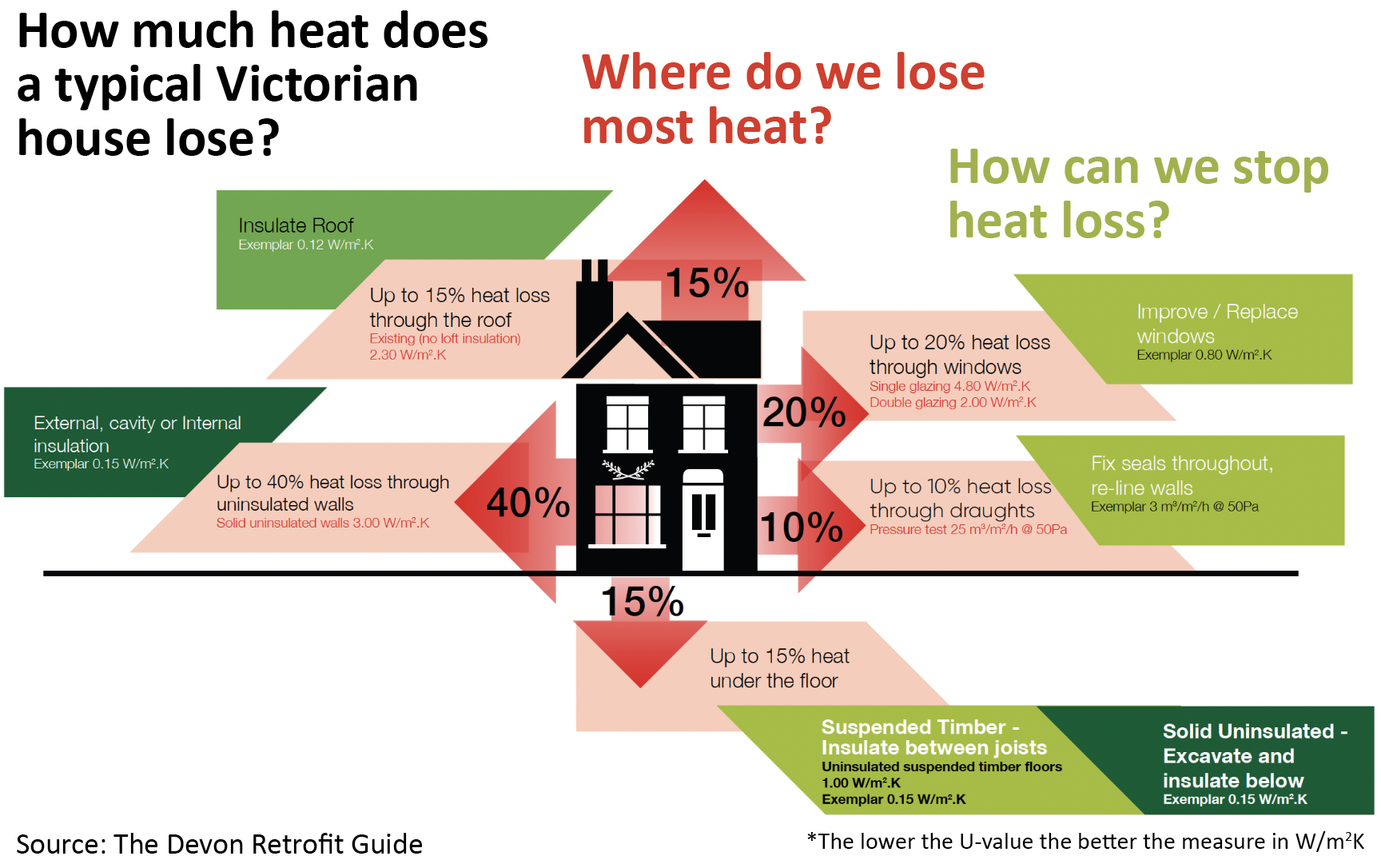
Know what the real costs of heat loss are:
Loft or roof insulation
Warm air naturally rises, which is why the roof is often the biggest source of heat loss. An uninsulated loft can lose up to a quarter of a home’s heat. The good news is that loft insulation is usually straightforward and provides immediate improvements.
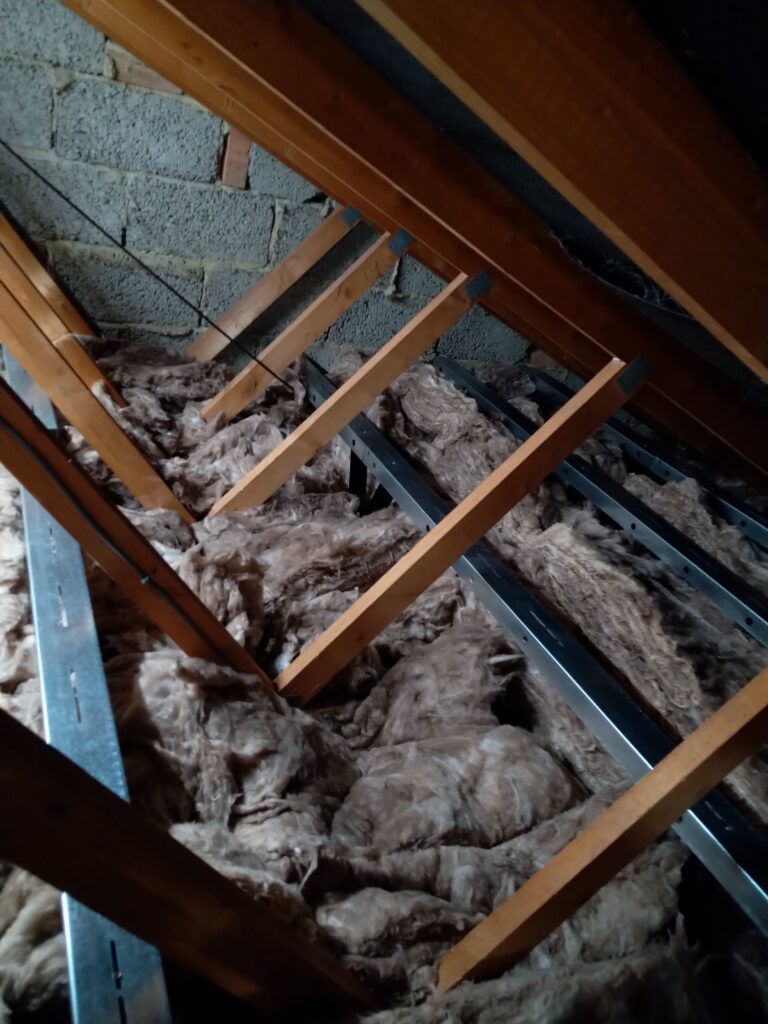
Most lofts simply need a thick, even layer of insulation laid across the loft floor. This keeps warmth in the rooms below and helps prevent draughts. It can also make summer more bearable by slowing down the heat that builds up in the upper part of the house.
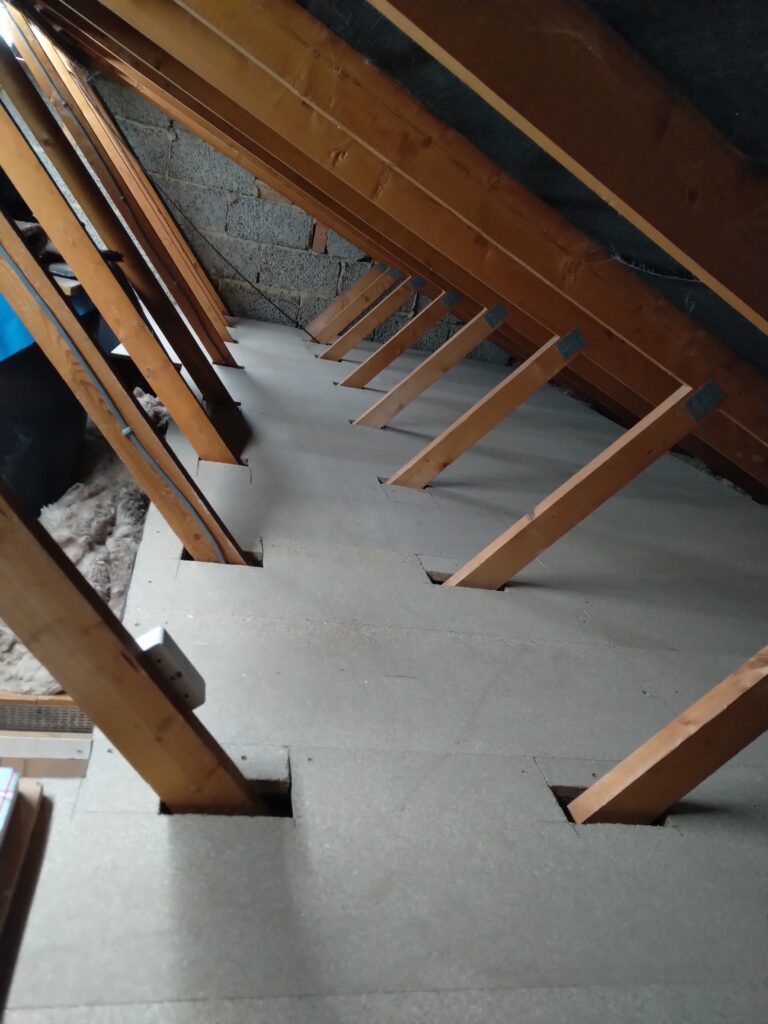
If you store items in your loft, you may need raised boarding so the insulation isn’t squashed – compressed insulation doesn’t work as well. (See image below).
It’s also important to insulate and draught-proof the loft hatch. A thin, unsealed hatch can let out a surprising amount of warm air, so adding a layer of insulation and fitting a proper seal can make a noticeable difference.
Then look at the walls
Walls make up most of the surface area of a home, so they play a major role in how warm or cold it feels. Different homes have different types of walls, but all can be improved.
- Cavity walls (common from the 1920s onwards) can often be filled.
- Solid walls (often found in older homes) may need insulation added inside or outside.
- Timber-frame walls need careful detailing to avoid moisture problems.
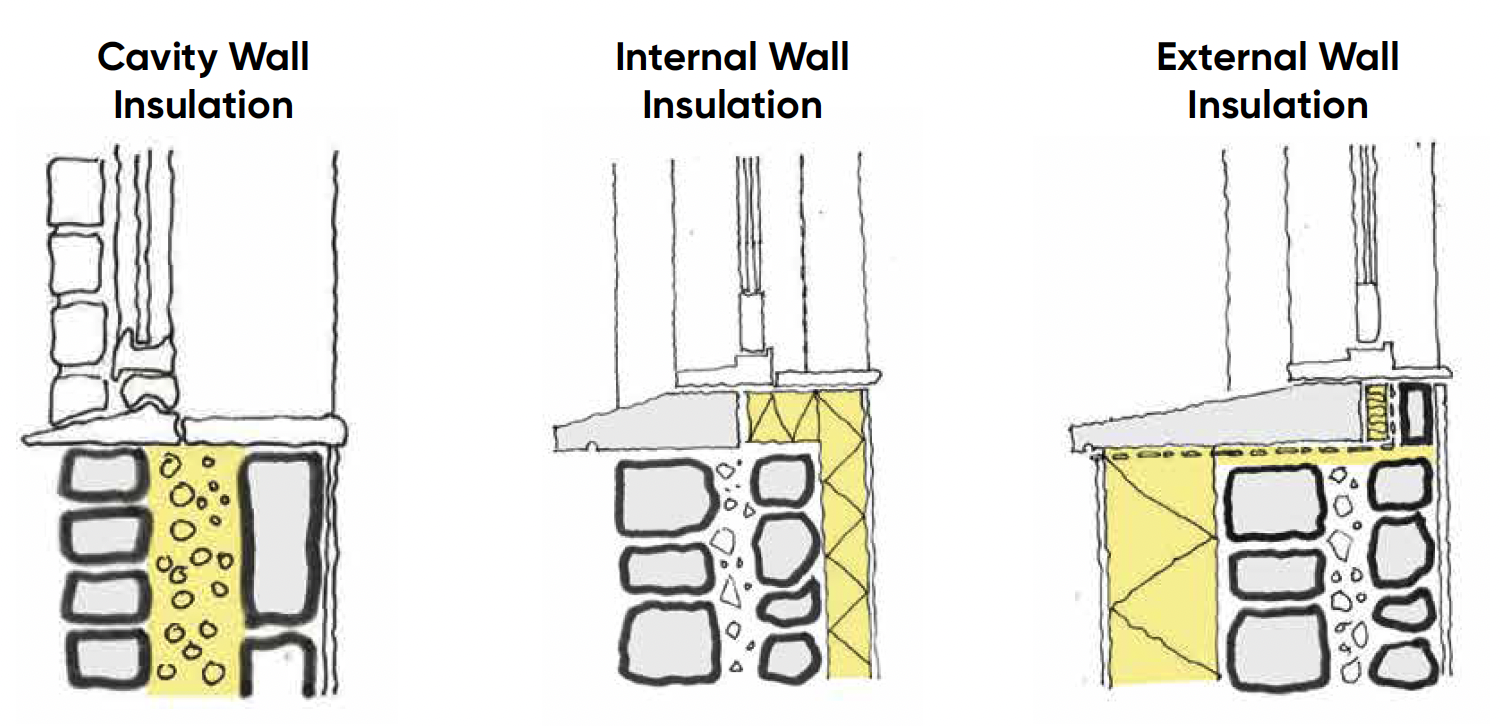
Good installation is essential. Gaps or poorly fitted insulation reduce performance, so it’s worth choosing someone experienced. Once done well, wall insulation helps create an even temperature throughout the home and reduces the constant “heating on, heating off” cycle many homes experience.
What is insulation made from?
Insulation comes in several forms, each suited to different parts of the home. You don’t need to choose the material yourself, but it helps to know the basics.
- Mineral wool or fibreglass – common, affordable and often used in lofts and cavity walls.
- Cellulose – recycled paper, blown into place for lofts or hard-to-reach areas.
- Rigid foam boards – thin but effective boards used in floors, roofs or external wall systems.
- Natural materials – options like wood fibre or hemp, often used in older homes that need to manage moisture. There are exciting new products like waste wheat straw being developed at this moment.
- Spray foam – can be effective but isn’t suitable for all homes, especially older ones. Take independent advice before considering it.
What matters most
- Performance – the right thickness and type make the biggest difference.
- Moisture – older homes may need breathable materials.
- Cost – mineral wool is usually the cheapest; boards and foams cost more.
- Safety – some foams need extra fire-safe linings; installers should explain this.
You don’t need to choose the material yourself. A good installer will use what’s right for your home. But it’s helpful to know that there are different options, each designed for specific situations.
Floors make a difference too
Cold floors are not just an inconvenience, they’re a sign that heat is escaping from the ground level. For many older homes with suspended timber floors, insulation can be added from below. It helps cut draughts and makes rooms feel warmer underfoot.
Solid floors can also be insulated, though this usually happens as part of a larger refurbishment. Even so, it’s worth knowing that floors contribute more to overall heat loss than most people think. Once insulated, the home feels noticeably more stable in temperature.
Reducing draughts and keeping fresh air
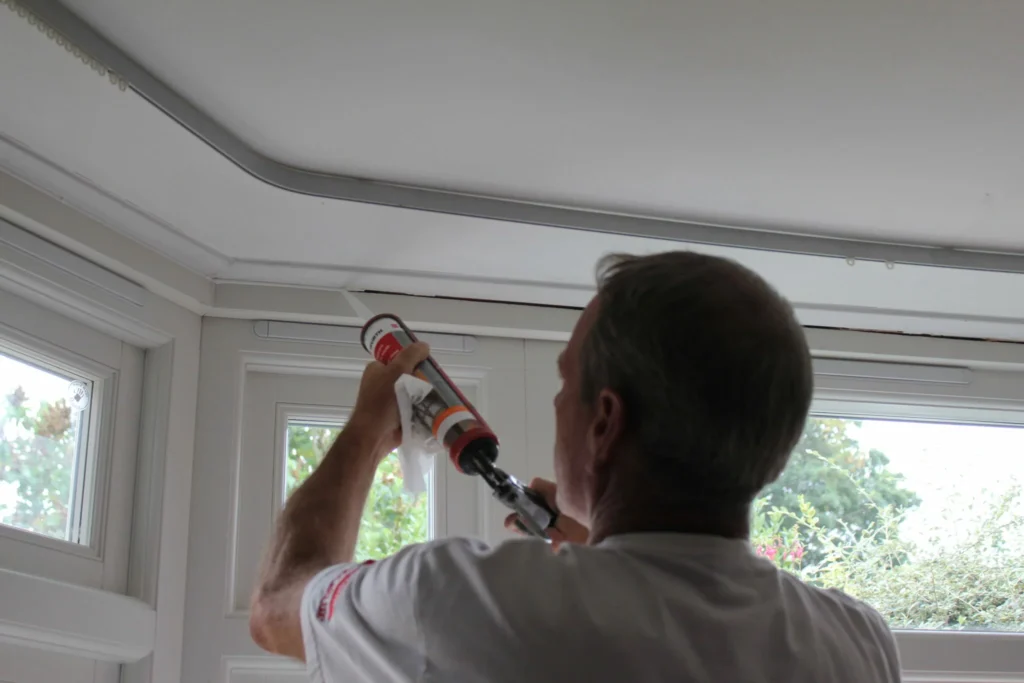
A big part of heat loss happens through small gaps around pipes, floorboards, windows and doors. Improving airtightness doesn’t mean sealing your home shut – it simply means reducing the draughts you don’t want while keeping the fresh air you do need.
Simple steps help:
- sealing gaps around pipework and cables
- closing up cracks around skirting boards
- adding better seals to loft hatches
- using simple covers on letterboxes or keyholes
Homes still need fresh air, especially after insulation work. Good ventilation prevents moisture build-up and helps maintain healthy indoor air quality. This can be as simple as ensuring trickle vents work properly or, in some cases, installing a mechanical system that brings in fresh air while keeping hold of the heat.
Windows and doors
Older windows and external doors often let out a lot of heat, especially if their seals have worn over time. Modern double or triple glazing makes a big difference, but there are other options too, such as secondary glazing or careful draught-proofing. Listed and older homes can usually improve comfort without changing the character of the building.
What matters most is reducing unwanted heat loss while still allowing the home to breathe and benefit from natural light.
Taking a whole-home view
Insulation works best when the home is considered as a whole. Each improvement supports the next, and the order you tackle things in can save time and money.
It helps to:
- tackle the biggest sources of heat loss first
- check how changes interact (for example, insulation and ventilation)
- make sure installation is done properly
- avoid moisture issues by balancing airtightness with ventilation
A well-insulated home holds warmth, feels more comfortable in every season and is far easier to heat with modern low-carbon systems.
What next?
Insulation is one of the best places to start, but every home is different, and the steps that follow will depend on your building, budget, and plans. The important thing is simply to begin. You don’t need to tackle everything at once. Even modest improvements can make your home warmer in winter, cooler in summer, and cheaper to run.
If you’re not sure where to begin, there’s plenty of help available:
Start with simple, low-cost steps
Reducing draughts, sealing small gaps, checking window seals, or topping up loft insulation can all make a real difference. Many of these jobs are quick wins that don’t require major work.
For more ideas, visit our Energy Advice and Support page. It’s full of practical tips for saving energy at home.
Thinking about bigger improvements?
If you want to go beyond quick fixes, our retrofit advice page is a clear guide to planning improvements in the right order. It explains what to do first, how to avoid common pitfalls, and where to find reliable support whether you own or rent.
Useful guides from trusted partners
If you’d like to explore retrofit in more depth, these resources offer clear, practical advice:
- Retrofit Zone (NSBRC) – a free, hands-on space you can visit. It’s a brilliant way to see energy-saving measures in real life, with clear displays of insulation, ventilation, glazing, heating systems and more. You can walk around, ask questions, and get a feel for what might work in your own home.
- Gov.uk: Retrofit for the Future – practical information for anyone working to reduce energy use and carbon emissions in existing homes.
- Devon Retrofit Guide – an excellent visual guide covering insulation, ventilation and whole-home thinking.
- Centre for Sustainable Energy advice sheets: Home energy advice leaflets – Centre for Sustainable Energy