
How battery storage makes solar work better
Author
 Christian Guthier
Publication date 26 March 2026
One of the UK’s largest community-owned solar parks is now adding a community-owned battery. It’s a national first – and a practical step towards a more flexible energy system for Oxfordshire.
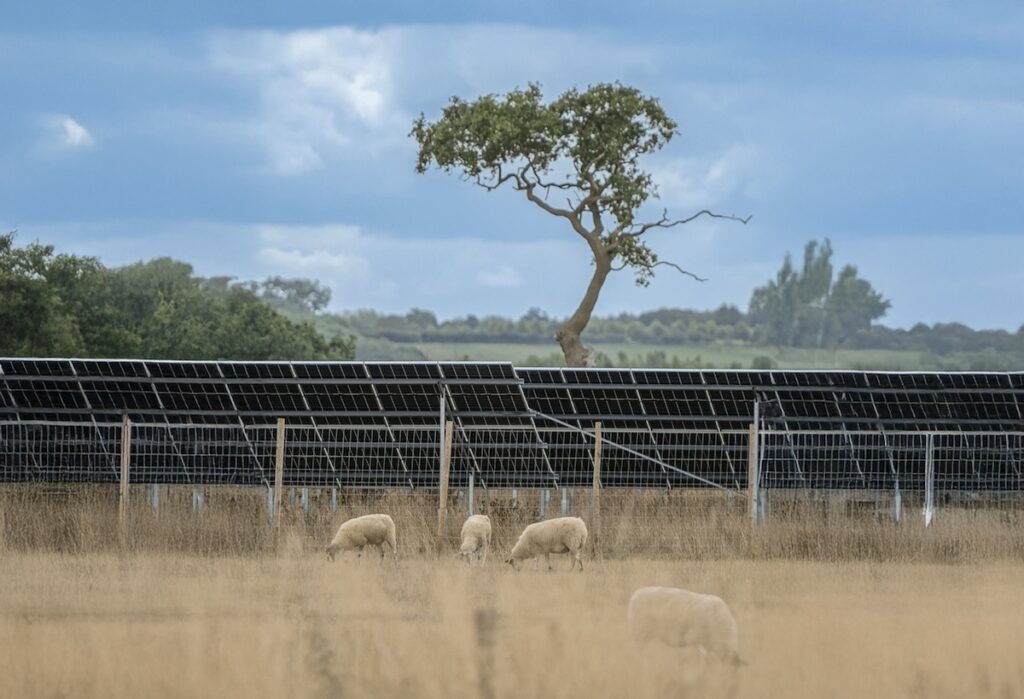

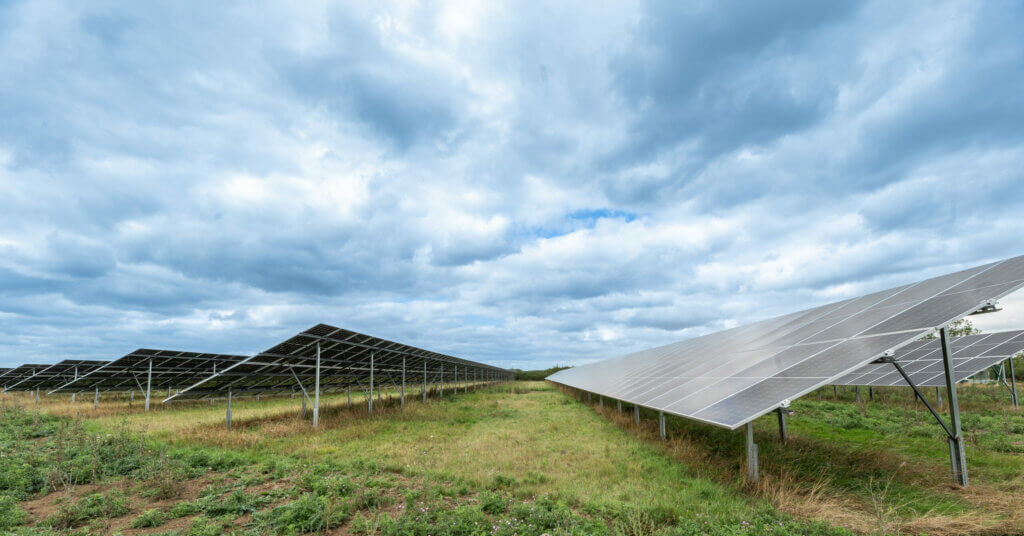
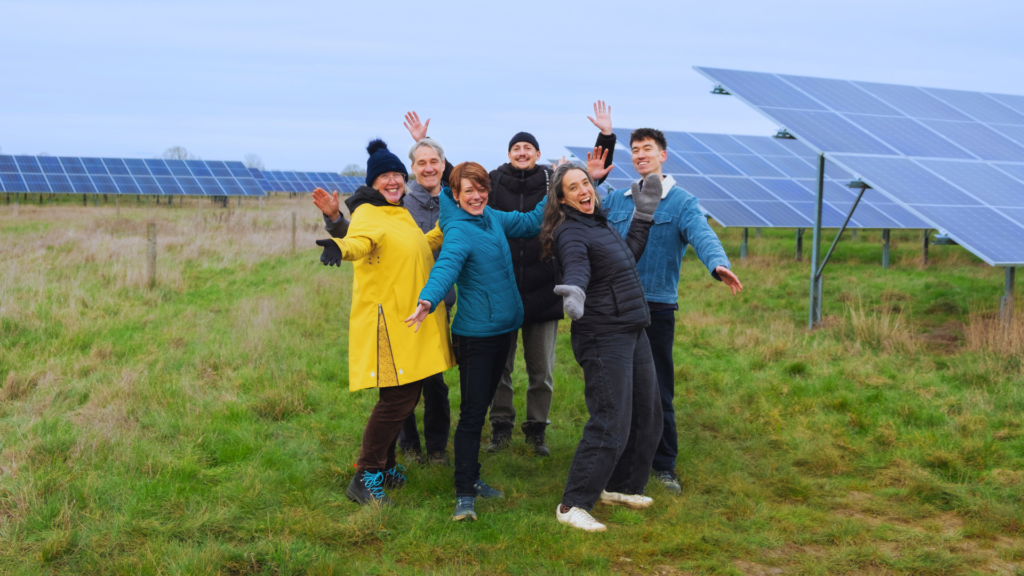
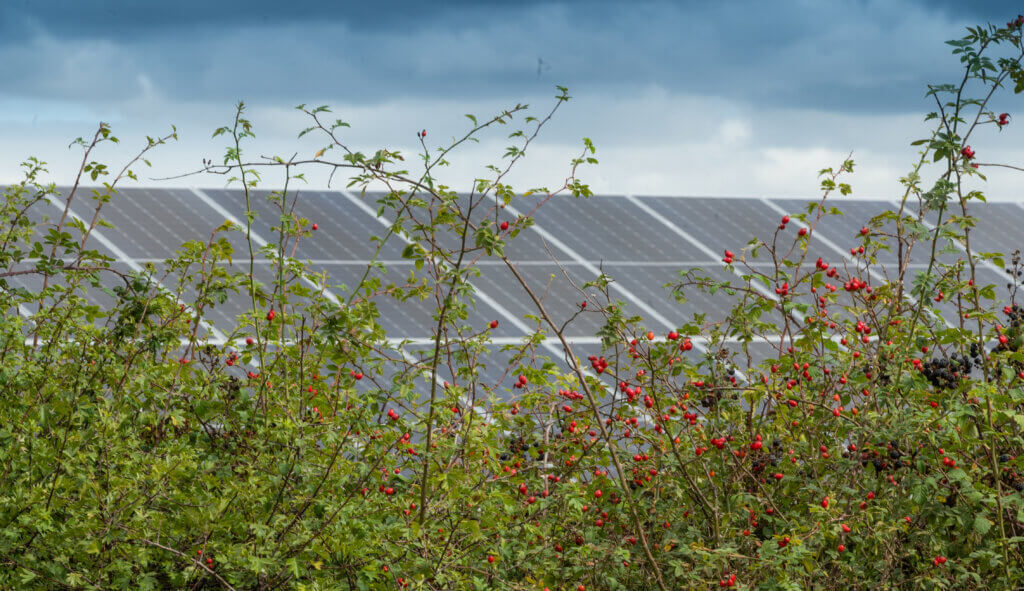
Ray Valley Solar generates clean electricity for the national grid and long-term income for local communities.
This year, battery storage will be added to the site. The aim is simple: make the clean electricity we already generate work harder and deliver greater long-term value for Oxfordshire.
Why battery storage now?
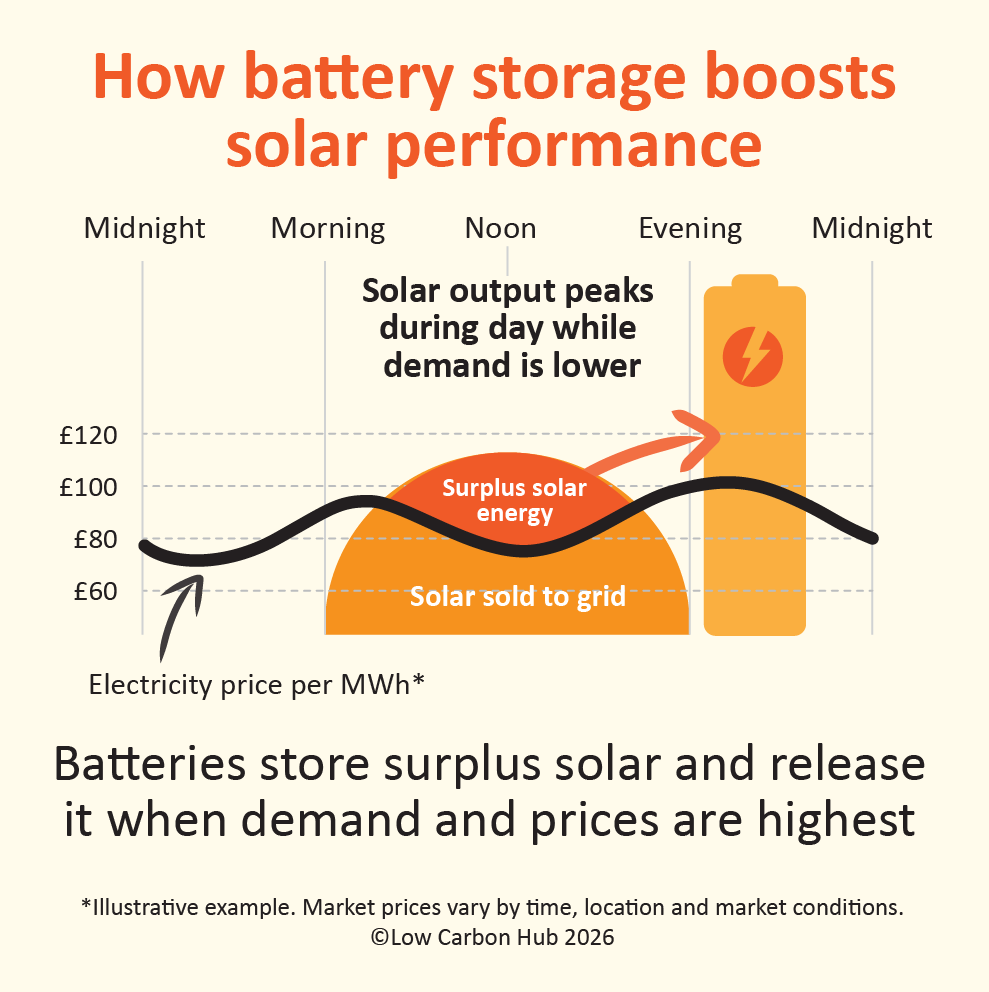
Solar generation has grown rapidly across the UK. On bright days, especially in spring and summer, solar can produce more electricity than the system can use or move through the grid at that moment.
When that happens, solar farms like Ray Valley Solar Park are asked to “turn down” their output – a process known as curtailment. Surplus clean electricity is effectively wasted, and the income earned drops too. At exactly the moments when the sun is strongest, valuable clean power has nowhere to go.
Battery storage is the most effective way to reduce this waste. It stores clean electricity when the system cannot take it, and releases it later when demand is higher.
This means battery storage helps to:
- deliver clean electricity when it is most needed
- reduce reliance on fossil-fuelled power at peak times
- use the land we already have more efficiently
In essence, battery storage helps the solar we already have work smarter.
That’s why, we’re adding a 3MW / 12 Mhw battery to the site…
How the battery system works
The project will install a bank of three containerised battery units on site, working together as a single 3 MW / 12 MWh system integrated directly with the solar park.
When solar output is high, the battery stores electricity rather than exporting it immediately.
In the early evening, that stored electricity is released over around four hours, when demand and prices are typically higher.
The site will continue to operate as working land, supporting grazing, wildflowers and wetland habitats alongside energy generation.
If you’d like to explore the engineering in more detail – including layout drawings, supplier specifications and system design – you can read our separate technical overview: Inside our grid battery project.
What it delivers
Each year, the battery is expected to reduce curtailment – when clean electricity cannot be exported to the grid and therefore goes unused – by around 809 MWh. That is roughly equivalent to the annual electricity use of around 300 homes.
By releasing solar power during peak demand periods, when the grid is more carbon intensive, it is expected to deliver an additional 102 tonnes of carbon savings each year – comparable to removing around 45 cars from the road.
It also strengthens financial performance by shifting generation into higher-value periods. For Ray Valley Solar, that means more stable long-term revenue.
Importantly, this system is expected to increase Ray Valley Solar’s projected lifetime community benefit by around £1.2 million on top of the £13 million already forecast.
For investor-members, this improves revenue resilience. For Oxfordshire, it strengthens the local energy system.
The brain behind the storage
As the electricity system becomes more variable, intelligence matters as much as infrastructure.
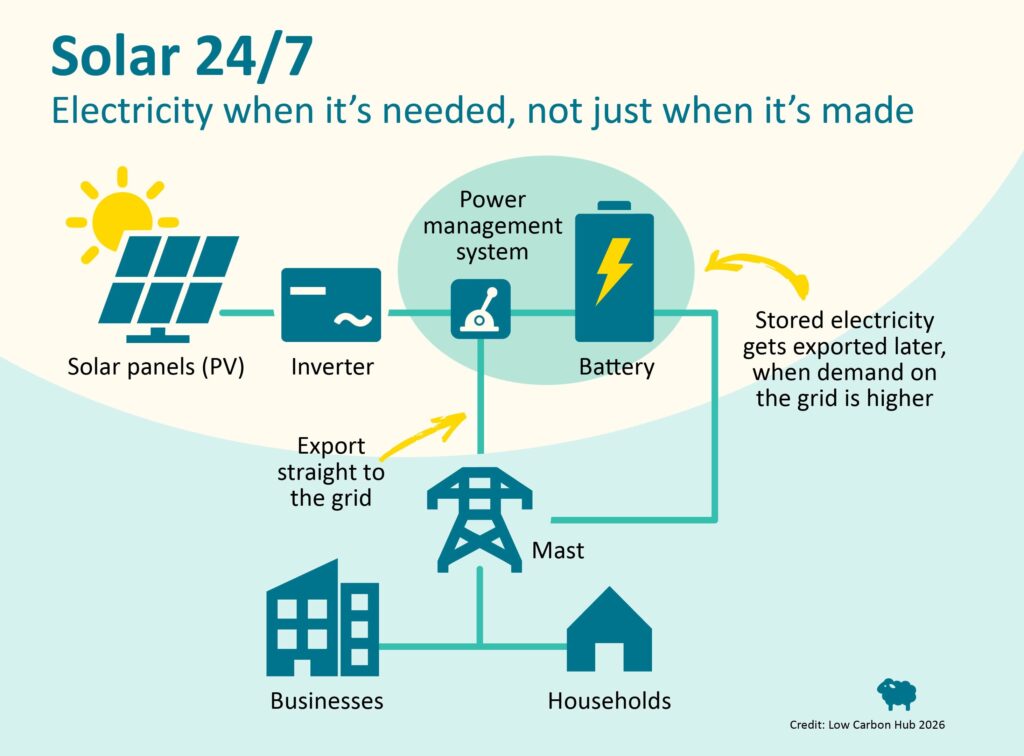
At Ray Valley Solar, the batteries are not a bolt-on. They work as part of the same system as the solar panels, sharing information and responding together in real time, helping to improve efficiency.
The system continuously monitors network conditions, price signals, solar forecasts and system requests. It automatically decides when to store energy and when to release it, balancing value and system need.
In short, the battery does not just store energy. It works in coordination with the solar park to ensure Ray Valley’s clean electricity is used at the right time and delivers the best overall outcome.
What makes Ray Valley different is that this intelligence will be community-owned, whereas most battery systems linked to solar farms in the UK are privately owned and operated separately.
Ray Valley has already shown what community ownership can achieve at scale. Adding battery storage is the next step in that journey.
Why adding battery storage matters
More long-term benefit for local communities
Battery storage increases the income generated by Ray Valley Solar for Community Benefit. That additional surplus strengthens the funding available for our Impact Programme, supporting our network of 50+ low carbon community groups and programmes to further cut carbon across the county.
More effective use of clean electricity
Storage allows solar generation to be used more effectively within a changing energy system. It supports a more flexible grid and ensures more of the electricity generated on site is delivered when it is most needed.
Strengthening the community energy model
This project demonstrates that community energy is not only about generating clean power, but about managing it intelligently. Ownership, control and integration matter.
Part of a wider strategy
Low Carbon Hub is working to grow its renewable energy portfolio towards 160 MW in the coming years. That growth will include a mix of ground-mounted solar, rooftop solar and battery storage.
Adding storage at Ray Valley Solar is an important step in that strategy – building a more resilient, flexible and community-owned energy system for Oxfordshire.
Invest today to be a part of it
Ray Valley Solar has consistently performed beyond expectations. Adding battery storage is the next step.
As ever, this next chapter is made possible by people choosing to invest in us. You can invest from £100 in the Community Energy Fund and be part of the next phase of clean energy.