
Common Lot Solar + Battery Park
A new community-owned solar + battery project benefitting people and the planet.
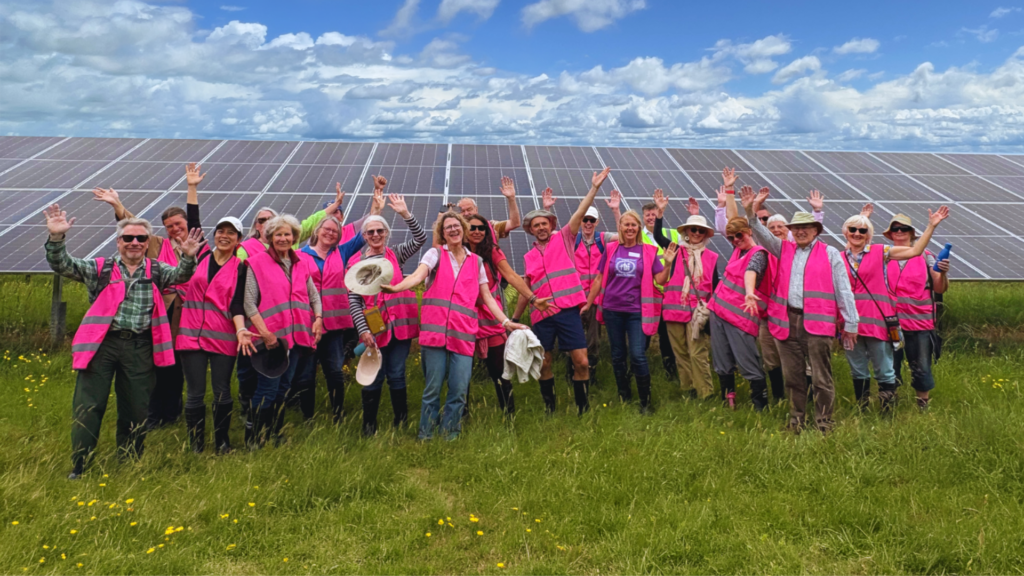
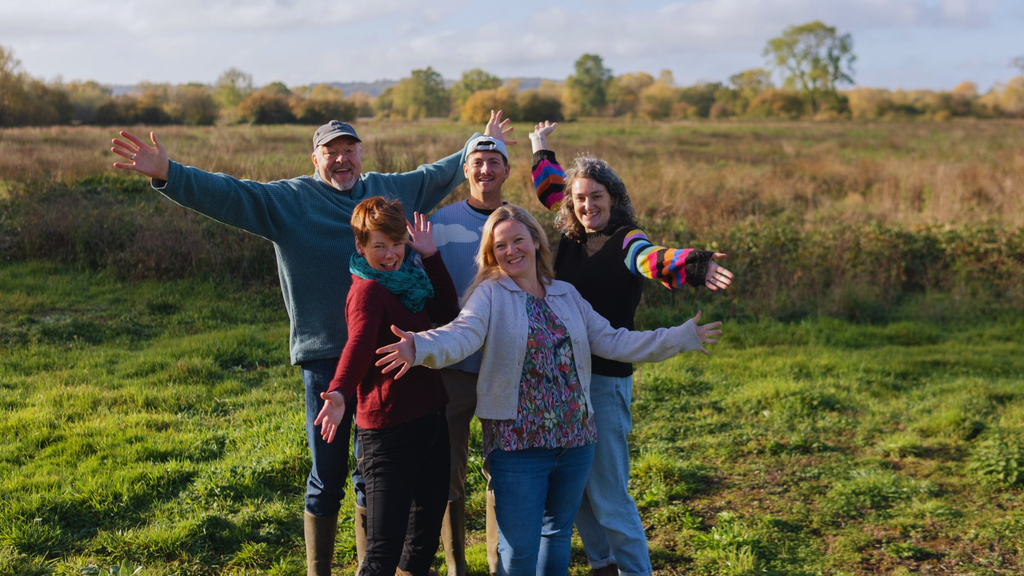
About our newest project
We need your help to raise £500,000 of new investment into the Community Energy Fund to help finance Common Lot Solar + Battery Park: a new 7.4 MW solar park with 10 MWh of battery storage near Yarnton, Oxfordshire.
The UK needs more clean, flexible power to tackle the climate crisis and reduce reliance on imported fossil fuels, whose prices rise and fall with global events. We also need an energy system in which benefits stay with local communities rather than flowing to distant shareholders. This is where community-owned energy, and Low Carbon Hub, come in.
Project impact


The energy mix of the future
Rooftop solar remains an important part of the clean energy mix. But to meet our climate goals, we also need larger, ground-mount solar parks. These are generally simpler to build and among the cheapest ways to generate electricity at scale.
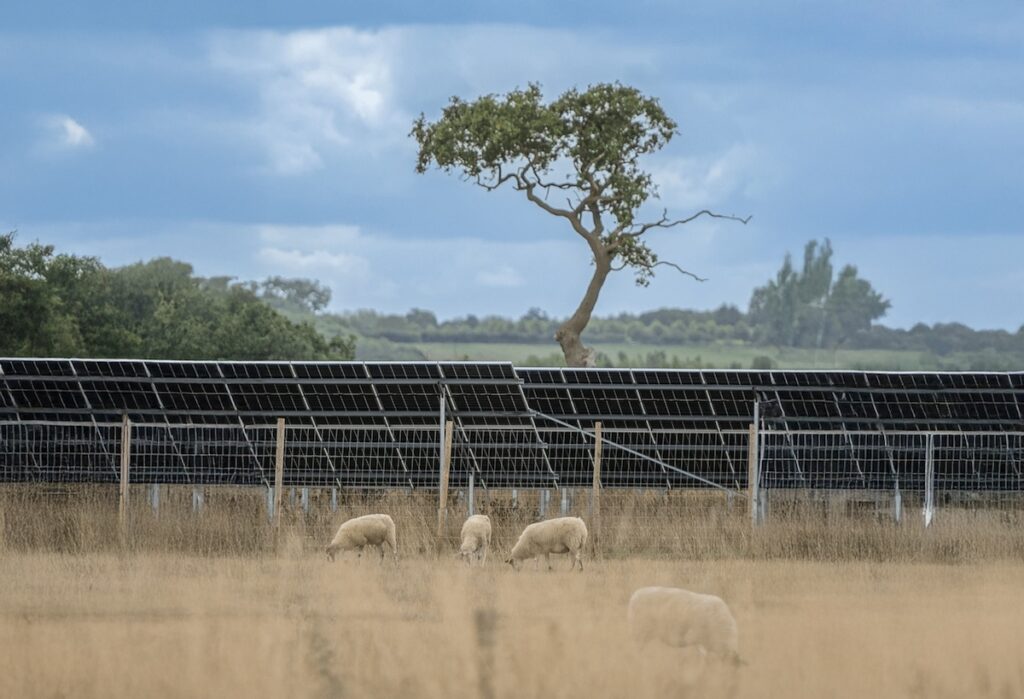
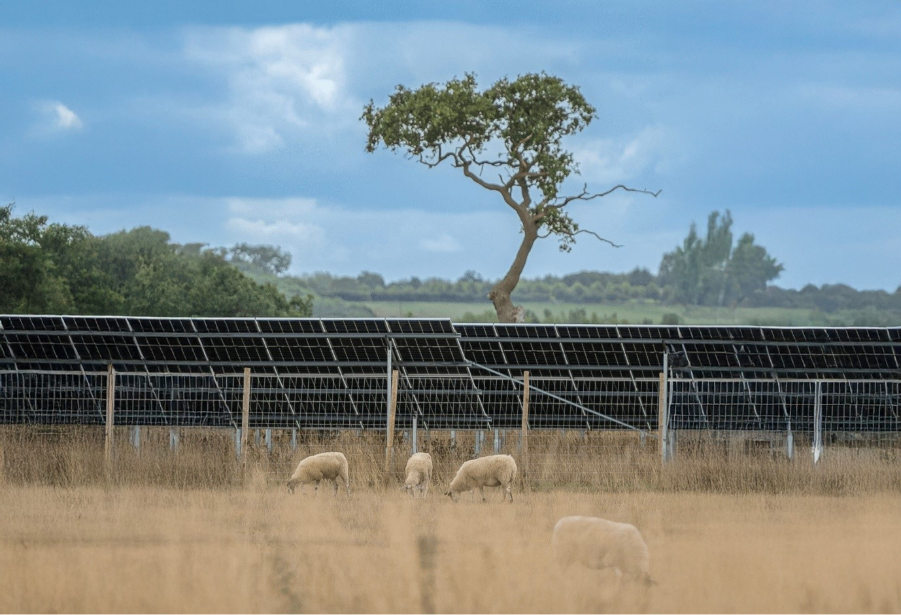
Solar parks, when managed effectively, can also become havens for wildlife, as well as continuing to be used for food production in more sustainable ways.

Why “Common Lot”?
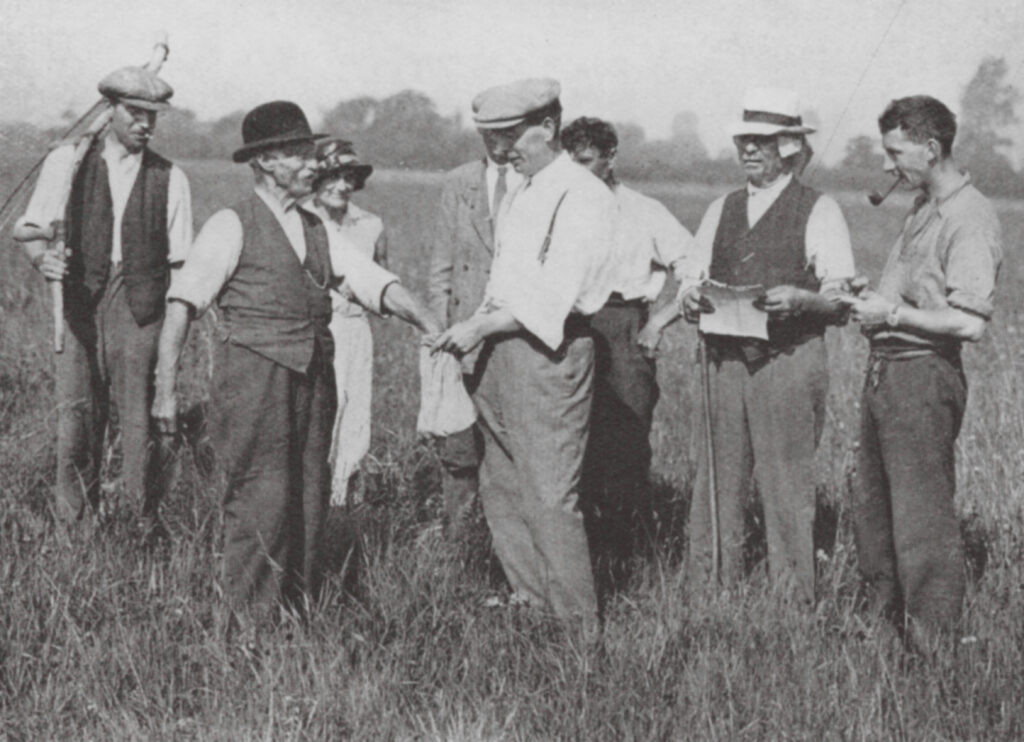
The name Common Lot comes from one of Yarnton’s oldest customs. For centuries, the village shared out its hay meadows (Oxey, Pixey and West Mead) by drawing lots. Thirteen balls of cherry or holly wood were each inscribed with a name, thought to be those of medieval tenant farmers. Each summer, the balls were drawn to decide which strip of meadow each holder would mow.
The custom no longer takes place, but we loved the idea of a shared resource divided fairly among the community. It reflects the spirit of community energy: a solar park owned by local people and creating benefits locally.
We’re also pleased to be close to these ancient meadows, which are now protected for their wildlife, with Oxey Mead and Pixey Mead cared for by Berks, Bucks and Oxon Wildlife Trust (BBOWT) as a nature reserve.

Common Lot is the next big step for Low Carbon Hub. Designing the solar park and battery together from day one means we can get the most out of every unit of clean electricity the site generates and turn more of it into funding for Oxfordshire’s communities. We cannot wait to get building.
Dr Barbara Hammond MBE, CEO, Low Carbon Hub
Site design and biodiversity
The site is low-grade land and is not currently being used for farming. We plan to make significant improvements for nature and agriculture, including:
✅ Planting native hedgerows.
✅ Sowing wildflower meadows.
✅ Introducing bird and bat boxes.
✅ Hosting beehives.
✅ Tracking and monitoring biodiversity.

Timeline
September 2026
Agreement signed to purchase the site.
January 2027
Final design confirmed, and biodiversity plans drawn up.
May 2027
Construction on the site begins.
February 2028
Installation is commissioned and the site starts generating clean electricity.
Read our Share Offer
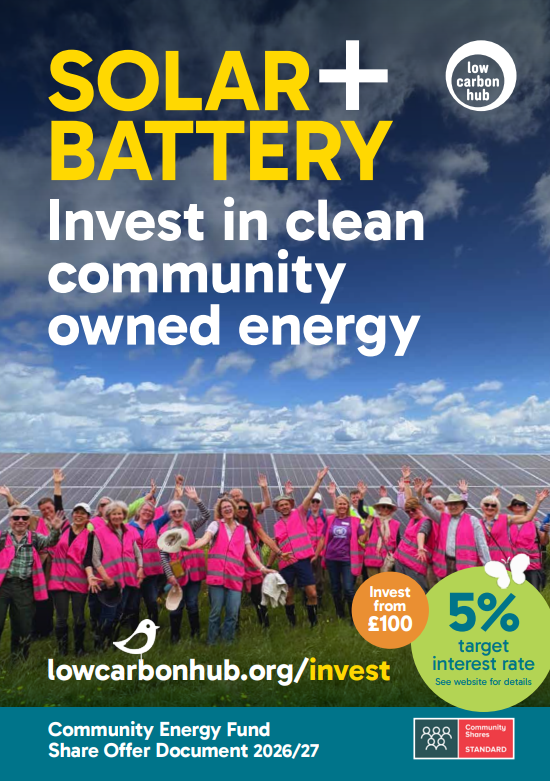
As of March 2026, we had 1,767 investor members who’ve invested £10m+ in the future of clean energy. Their investment has helped Low Carbon Hub deliver and operate a growing portfolio of 50+ renewable energy projects, with 100% of surpluses going back to the community.
Investors also earn a target interest rate of 5%, giving back to the people who support us. Our share offer is open to investment from £100.
Read our latest Share Offer Document to find out more about how you can become a member of the Low Carbon and invest in the Community Energy Fund.
FAQs
How much will the project cost?
We plan to fund it through a mix of community shares and bank debt, and we may also run a community bond offer to help finance the project. The final funding structure will depend on the amount raised and the completion of financing agreements. Triodos Bank has made an indicative loan offer, subject to final terms and approval. We were able to buy the project, which already had planning consent, thanks to short-term catalytic finance from the We Have The POWER project.
Wouldn’t the land be better for farming?
The site is low-grade agricultural land and is not currently farmed. To meet our climate targets, we need larger clean energy projects such as ground-mount solar parks alongside rooftop solar. Even under the government’s most ambitious plans for solar growth, ground-mount solar is expected to cover no more than about 0.4% of UK land (DESNZ, Solar Roadmap: United Kingdom Powered by Solar, June 2025).
Well-managed solar parks can also be good for nature, and we plan to make significant improvements on the site. These may include native hedgerows to help screen the site, wildflower meadow to boost grassland biodiversity, new planted field margins, and beehives.
Why this project?
We bought Common Lot Solar and Battery Park with planning permission and a grid connection agreement already in place. Getting a new grid connection is one of the biggest barriers to building renewable energy projects as the queue is heavily oversubscribed, and community-owned projects often struggle to secure a place in it. Buying projects that already have consent gives community energy a route to sites like this one. It also means we can move quickly. With the approvals done, we can focus on building the site and getting it generating.
How do you source materials for your projects?
We use the ratings from the Solar Stewardship Initiative (SSI) to guide our procurement. The SSI audits solar manufacturing sites independently on governance, environmental impact, and human and labour rights. The government’s 2025 Solar Roadmap recognises its work. The panels at Ray Valley Solar, our ground-mount solar park, were made by LONGi, one of the few manufacturers to achieve Gold status. The other suppliers we use are also positively rated.
We have also signed the UK Solar Industry Supply Chain statement. It opposes human rights abuses, including forced labour, anywhere in the global supply chain, and it commits signatories to developing an industry-led traceability protocol.
What happens to the panels at the end of their life?
Solar panels typically last 25 to 30 years or more. When they reach the end of their life, we will meet our obligations under the WEEE (waste electrical equipment) regulations. Only a handful of UK companies specialise in solar panel recycling today, but recycling methods are developing quickly in Europe and we’re following them closely.
What is the battery at Common Lot?
It’s a lithium-ion battery that will sit alongside the solar panels, storing electricity and releasing it when the grid needs it most. It will connect directly to the grid – known as “in front of the meter” (see question below). It will hold 10 MWh of energy and charge or discharge at up to 4.9 MW, so it can deliver its full output for about two hours.
Why is the battery connected directly to the grid?
Common Lot’s battery will be “in front of the meter,” which means it connects directly to the grid rather than just serving a single project. It stores solar power that can’t be exported straight away, and it can also charge from the grid at a rate of up to 2MW, filling its 10MWh capacity over several hours. This lets it charge when electricity is cheap and plentiful and discharge when it is scarce and more valuable. It also earns income by helping National Grid keep supply and demand in balance and by guaranteeing to be available at peak times. All of this helps ease pressure on the local network and strengthens the project’s finances.
Why does a solar park need a battery?
Solar panels generate the most power in the middle of the day, especially in summer. Demand for electricity peaks in the early evening, when the sun is going down. The battery bridges that gap, so more of the park’s clean energy is used when people need it.
Who decides when it charges and discharges?
Software manages it automatically, based on solar output, grid signals and electricity prices.