

invest in the uk’s first community-owned solar battery
We’re adding the UK’s first community-owned solar battery to our Ray Valley Solar Park in Oxfordshire. By investing in the Community Energy Fund, you can support this project, earn a fair return, and be part of the next phase of supporting clean energy.
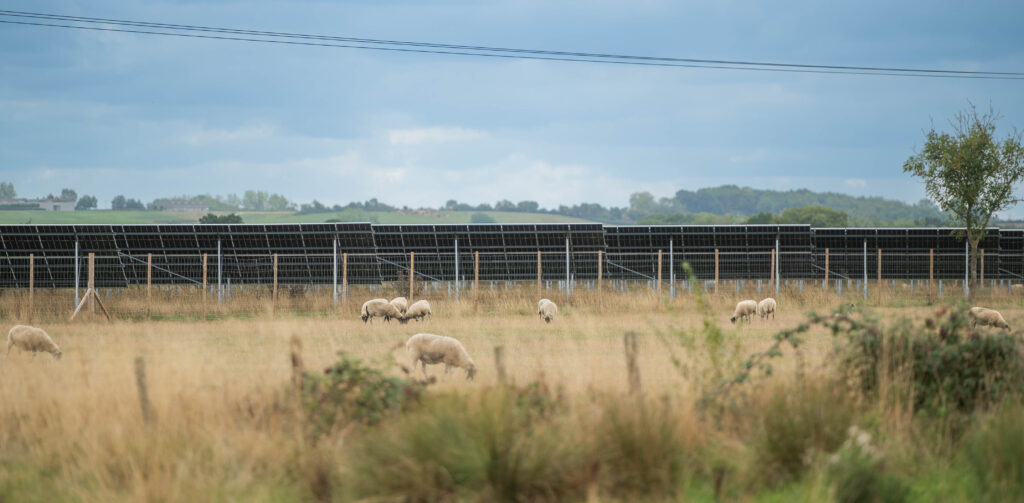
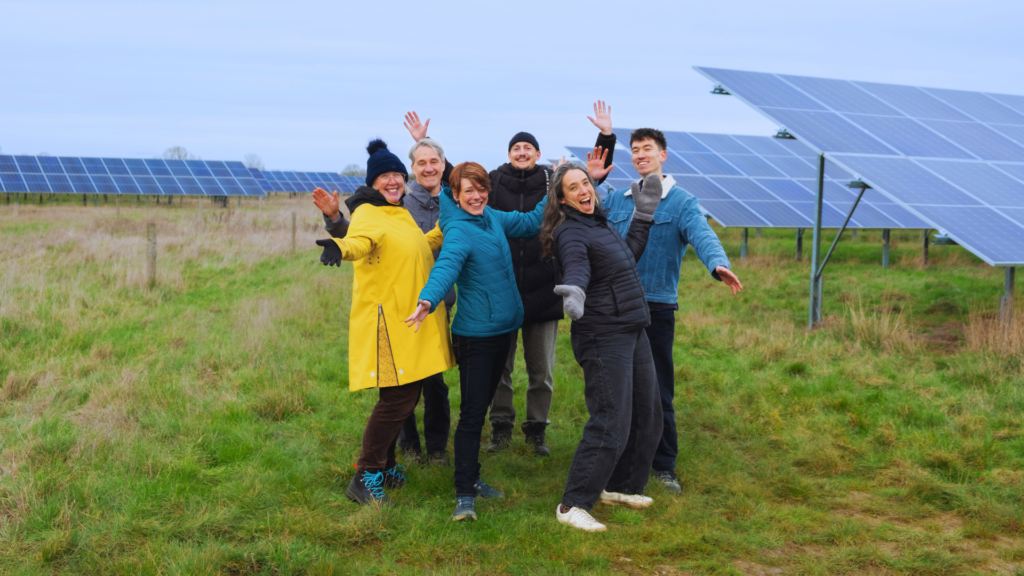
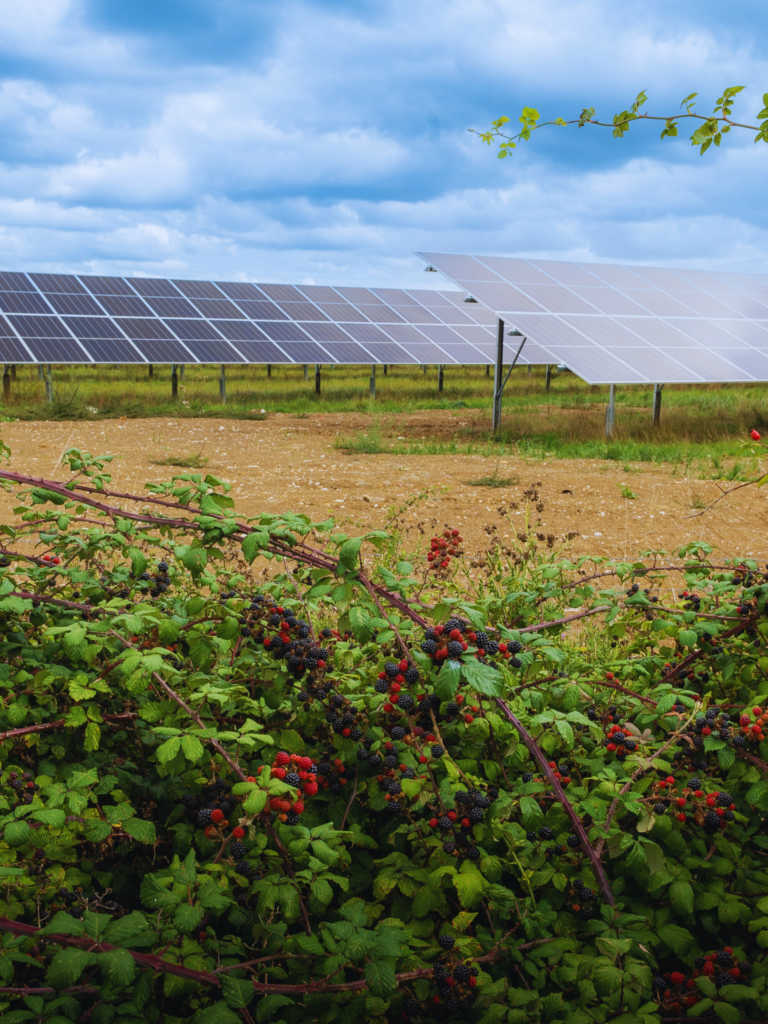
Ray Valley Solar is one the UK’s largest community-owned solar parks, generating enough clean electricity to power 7,000 homes a year. It has significantly outperformed expectations since 2022. The site is managed as working land, with solar generation alongside grazing and wildlife habitat.
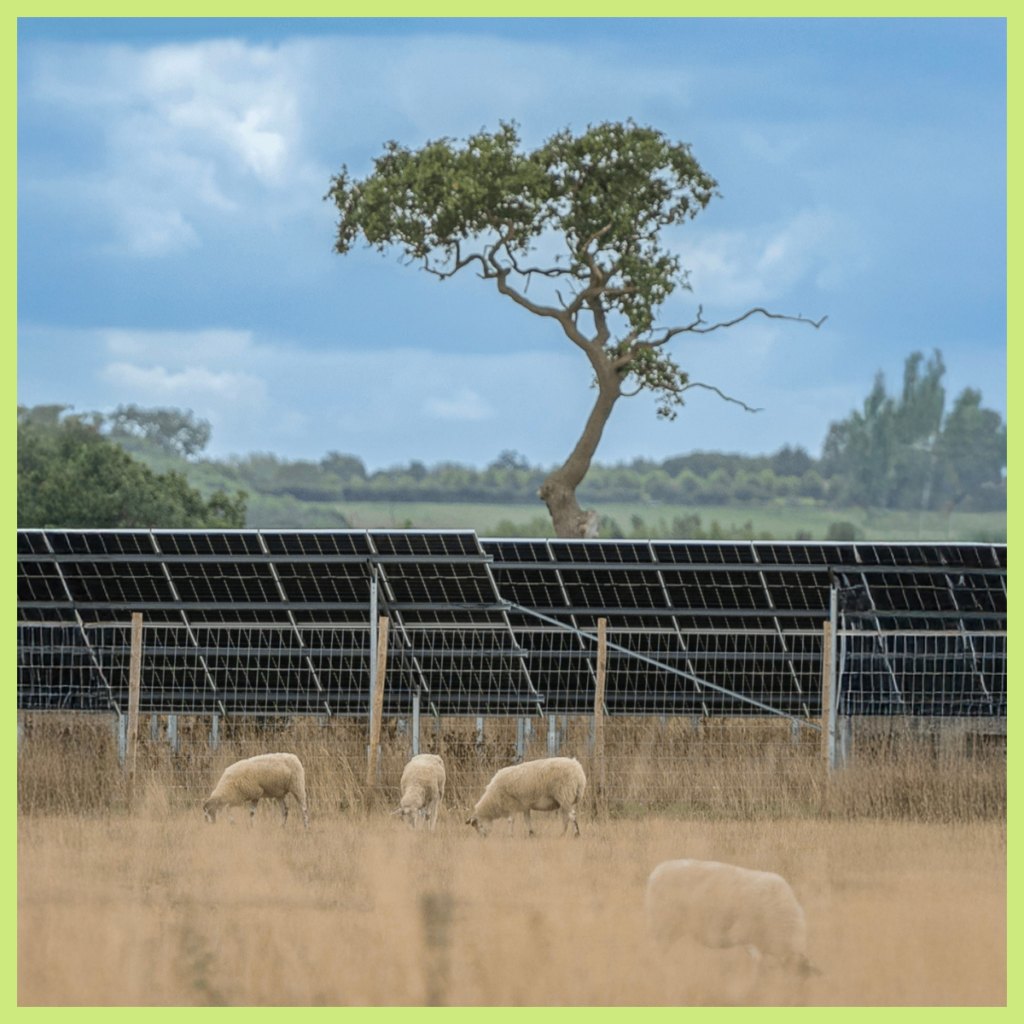
But right now, not all of the energy generated can be used when it’s needed most. That’s why we’re adding new battery storage to the site, so more of that clean power can be stored, released later when its most needed, and put to work for community benefit, supporting local projects and communities across Oxfordshire.


The challenge
On very sunny days, Ray Valley Solar produces more electricity than we can export to the grid – so some clean energy is simply lost.
And because electricity prices are usually lower during the day, the power that is exported often earns less than it could at peak times. Meanwhile, demand is highest in the evenings when the site currently exports less, when people get home and switch everything on.
The solution
We will be installing a unique 12 MWh battery storage system – the first community-owned, co-located installation in this country.
Ray Valley Solar is already performing very well, but we want to maximise its impact. Adding battery storage is the next step in strengthening this successful community energy project and making better use of what is already in place.

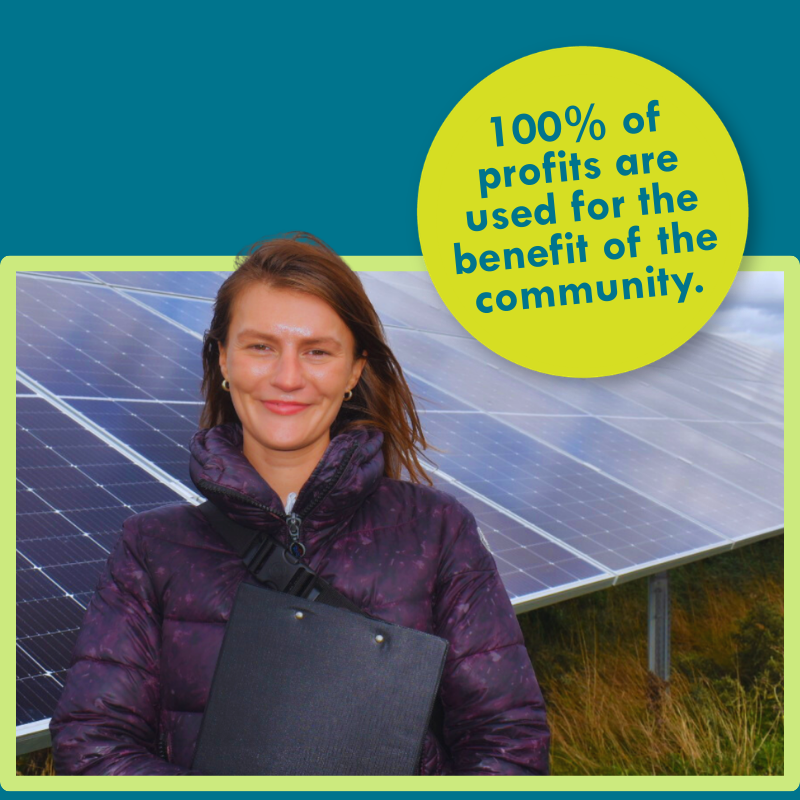
Ray Valley Solar is currently projected to generate approximately £13 million in community benefit over its lifetime, based on our existing financial forecasts.
Adding solar battery storage is expected to increase the lifetime surplus available for community benefit by over £1 million.
The surplus generated by our projects supports:
- Homes, schools and businesses to reduce their energy use.
- Community-led climate action through our 50+ community group members.
- Energy innovation projects to help the clean energy transition.
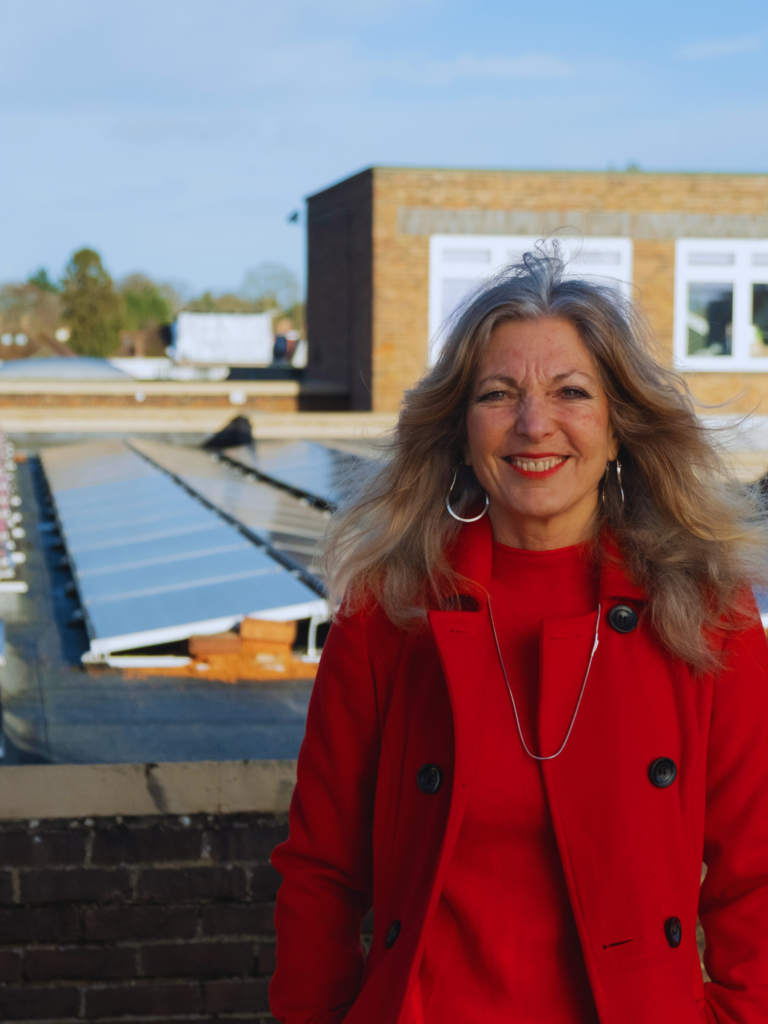
It’s a combination of experience, knowledge, and idealism that makes Low Carbon Hub so special.
Eleanor,
Investor member
Why now?
We always planned to install a solar battery at Ray Valley Solar, to boost its performance and support the transition to a renewables-based energy system.
Now is the time to act because:
Grid constraints are increasing, meaning that the system can’t always cope with the clean energy being created at a time when we must move away from fossil fuels.
With battery technology, Ray Valley Solar could take part in flexibility markets, further enhancing its income and impact on local communities who need funding now.
Why invest with us?
Low Carbon Hub has been developing and managing community-owned renewable energy projects in Oxfordshire for many years, working alongside local community groups and partners.
This battery storage is the next step in protecting and strengthening this important community energy project for the future.
Invest today and help make it happen
You can invest from £100 and help support the next phase of renewable energy. In return for your support, we offer our investors a 5% target interest rate.
We are working with ethical investment platform Ethex on this share offer. If you’d like to invest, you’ll be taken to their website to complete the investment.
If you have any questions about the share offer though, please do get in touch with us at info@lowcarbonhub.org.
📑 Please read the Share Offer Document and accompanying documentation before deciding to invest with us.
FAQs
How much will the project cost?
The total estimated cost of the battery is £1.83 million. We expect to fund this through a combination of equity raised through the Community Energy Fund, debt financing from Triodos Bank (subject to final approval) and short-term catalytic finance through the We Have the POWER project.
The final funding structure will depend on the level of capital raised and the completion of financing agreements.
How do I invest?
We are currently working with Ethex on this share raise. Applications for shares can be made through the Ethex platform by going to [LINK].
Please read the Share Offer Document and accompanying documents before investing.
If you have a query about how to apply for this Offer, please visit ethex.org.uk or contact Ethex by email at help@ethex.org.uk For general queries about this Offer, please contact Low Carbon Hub at info@lowcarbonhub.org.
Will this be entirely community funded?
The total estimated cost of the battery is £1.83 million. We expect to fund this through a combination of equity raised through the Community Energy Fund, debt financing from Triodos Bank (subject to final approval) and short-term catalytic finance through the We Have the POWER project.
The catalytic finance enabled us to move quickly to secure procurement and progress the project. It is our intention that funds raised through this share offer will be used in part to re-finance this short-term facility.
The final funding structure will depend on the level of capital raised and the completion of financing agreements.
Who can invest?
The Community Energy Fund is open to individuals, charities, and other organisations that want to support clean energy projects that benefit our communities. You can also buy and hold shares on behalf of children.
How big is the battery?
It is a 3 MW / 12 MWh, 4-hour lithium-ion battery that will be housed in three storage containers on site. This will be the largest community-owned, co-located battery in the UK, storing enough energy to power roughly 1,100 homes for up to four hours during peak demand.
When will the battery be installed?
We’re planning for a Summer 2026 installation, helping us to harness the most energy possible in Ray Valley’s best-performing season. Once the battery is in place, it can start storing and releasing energy immediately.
Why not just build more solar instead?
More solar is important, but without flexibility it can increase waste at peak times.
Batteries help existing solar work more efficiently. They allow solar energy generated during the day to be stored and used later, when demand and value are higher. This also helps get more benefit from land that is already in use for solar generation.
Battery storage is part of the infrastructure needed alongside solar to make clean energy practical and sustainable in the long term.
Does solar really work in winter?
Solar generation is lower in winter, but it does not stop even in the UK. Battery storage helps make better use of the energy that is generated year-round, reducing waste and supporting the system even when output is lower.
Where is the battery from?
We are working with a company called iWell who are supplying the battery. The hardware is from China and the software is from the Netherlands.
Where does the electricity go?
The electricity is exported to the national grid, where it is used as part of the wider energy system, storing and releasing it to the grid when it’s most needed. Low Carbon Hub is paid for this energy and we use all of our profits to fund community-led action on climate change.
What is the environmental impact of battery storage?
All energy infrastructure has an environmental footprint, including batteries.
Battery storage helps reduce wasted renewable energy and supports a cleaner electricity system. By storing power when it is plentiful and releasing it later, it reduces reliance on fossil-fuelled generation and helps cut overall carbon emissions.
Grid-scale batteries typically have a design life of around 15–25 years. When they reach end of life, they are not simply discarded. The materials inside them – including lithium, nickel, copper, and aluminium – are valuable and increasingly recoverable.
Does the battery require additional land or grid infrastructure?
No – the battery storage system is being added within the existing Ray Valley Solar site. The grid connection and capacity were factored into the original planning and design of the solar park.
This project builds on infrastructure that is already in place, rather than requiring new land or additional grid expansion.
This project was catalysed by a philanthropic loan through the We Have The POWER project.