We explore the history of ray valley solar park
Author
 Hal Wallis
Publication date 22 June 2026
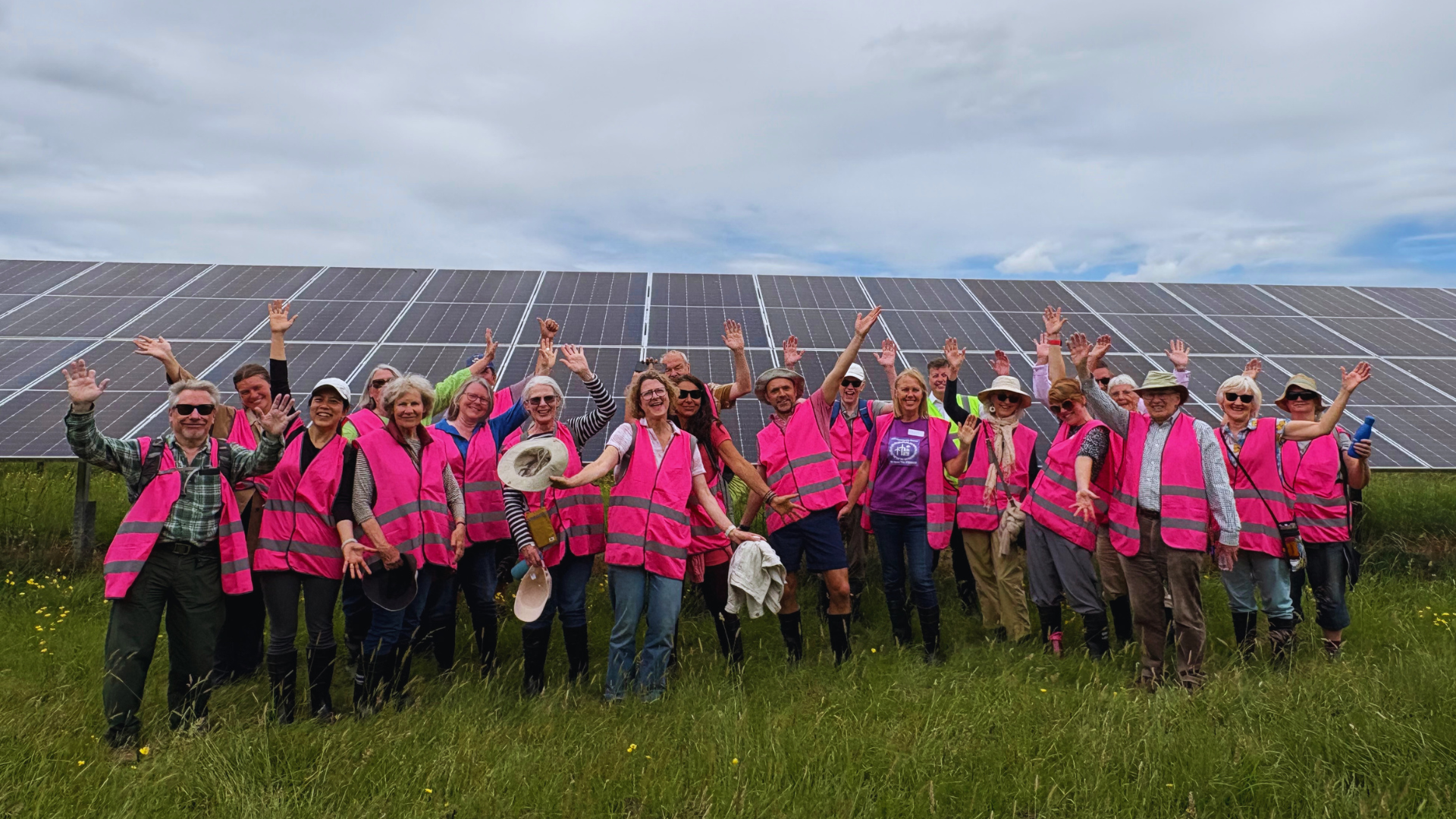
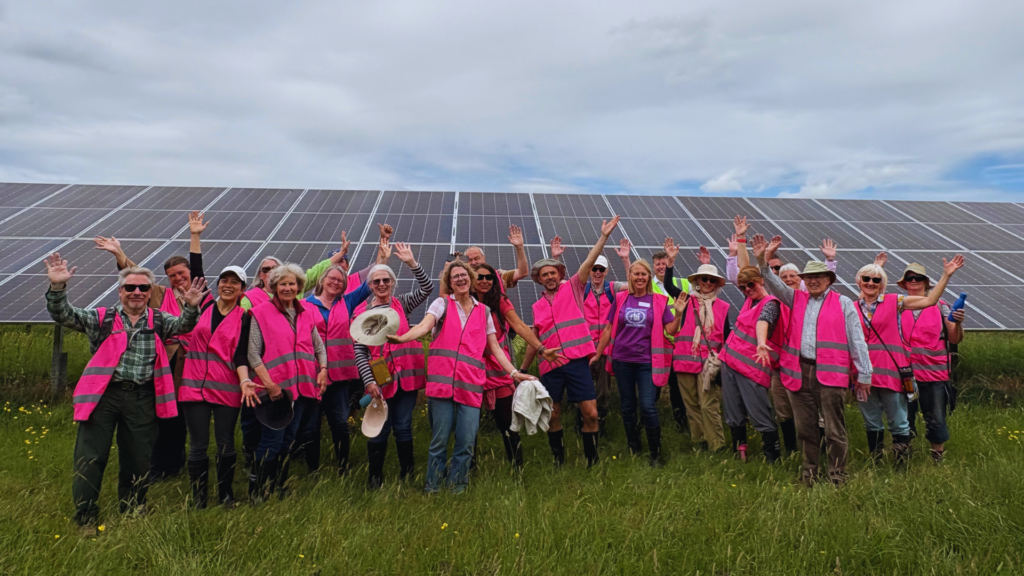
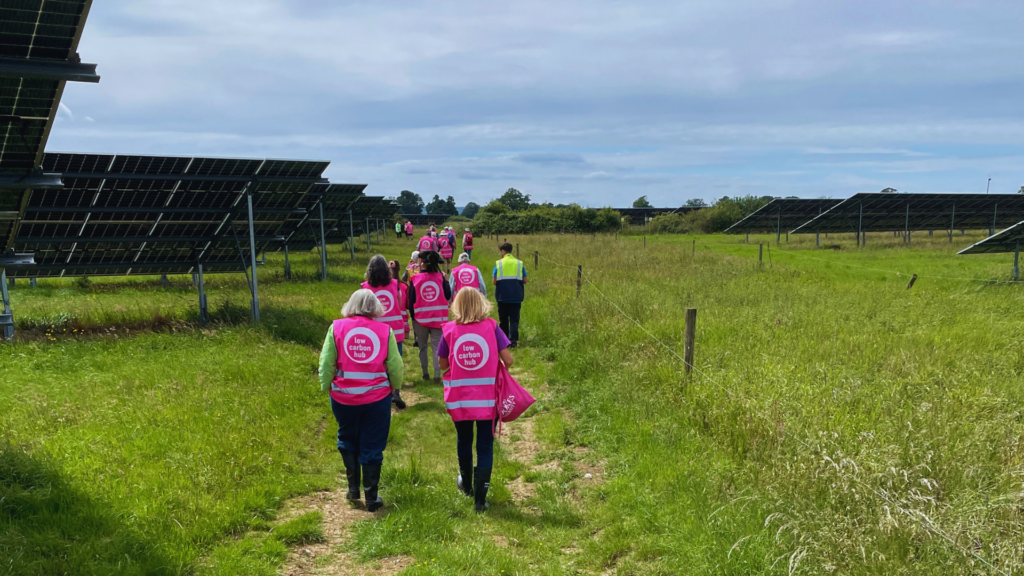
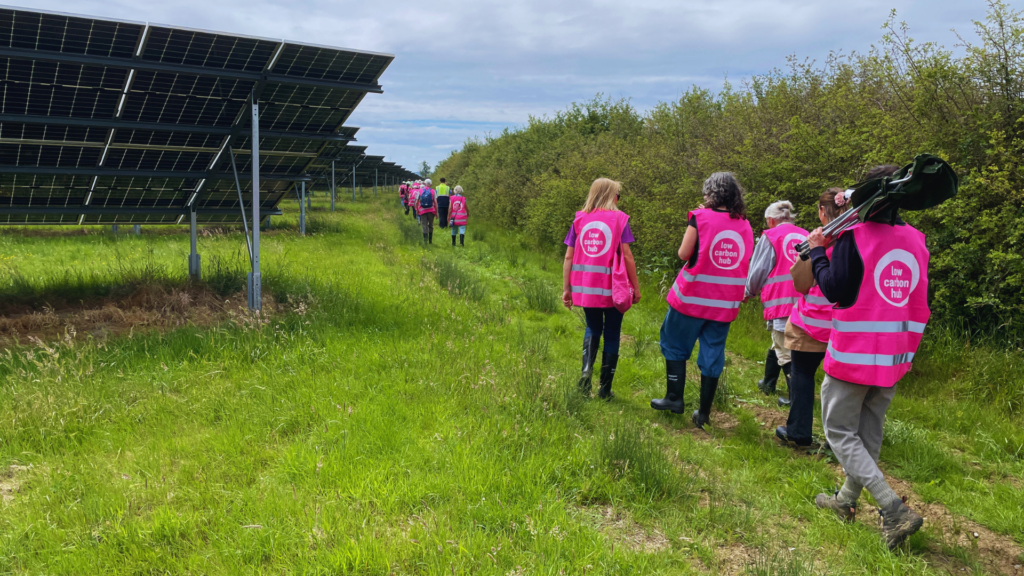
We were recently joined by a number of our lovely investors for a tour of Ray Valley Solar Park in North Oxfordshire, where we found out more about the fascinating history of the site.
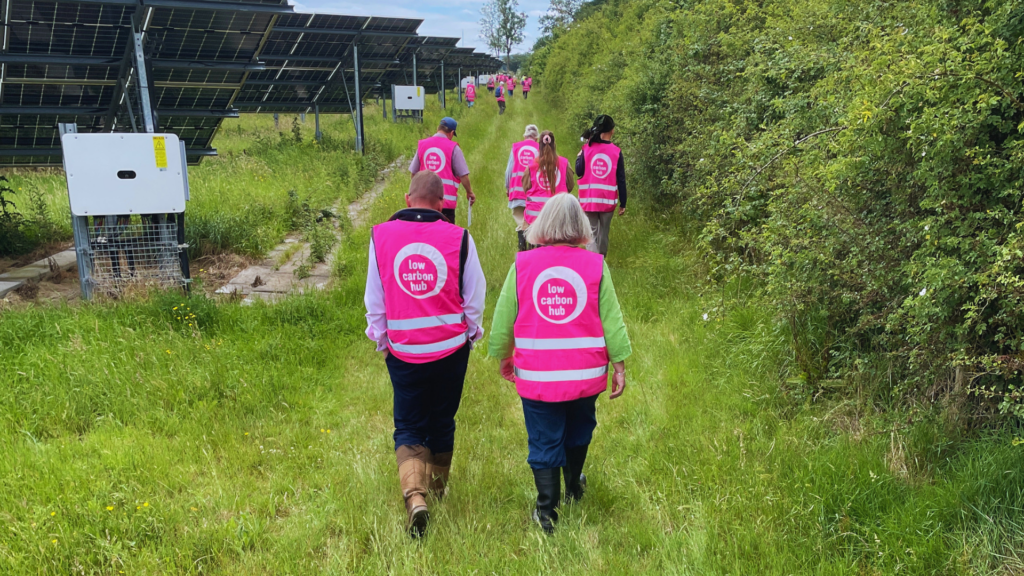
Looking at Ray Valley today, you might not immediately think of Roman soldiers drilling in formation, or Saxon monks tending to land granted by a king, but that is more or less what this particular corner of Oxfordshire has seen over the past two thousand years. Back in the 21st century, our tour took us around the solar panels generating clean energy and community benefit for the community.
Two thousand years of history
The Romans built the settlement of ‘Alchester’ to the north of the site during the first and second centuries, and the land that is now Ray Valley served as a marching camp and parade ground for soldiers based there. Roman coins and pottery have been found in the area over the years, which gives you a sense of how long people have been using the site. There is still a visible ditch dug by the Romans, around the perimeter of the site.
By the fifth century, Alchester had come under the control of Germanic settlers, though their occupation appears to have been relatively brief (allegedly due to the inclement British weather!). By 983 AD the settlement had largely fallen into disrepair. The Domesday Book of 1086 records that King Ethelred the Unready granted the land to Abingdon Abbey in Saxon times, which set off several centuries of the land passing between religious institutions including Missenden Abbey, Bicester Priory and Osney Abbey, before it reverted to the Crown following the Dissolution of the Monasteries in 1538 and was sold to the Martin family of the nearby village of Ambrosden.
Arncott’s Methodist community grew in the nineteenth century, with a Wesleyan chapel built in Upper Arncott, the nearest village to the site in 1834 and extended in 1847, which served the village right up until 2010 when it was converted into offices.
The most recent chapter (before the solar panels) arrived began in 1941 when the War Office established MOD Bicester to provide logistical support for Allied operations in Europe. It became the central ordnance depot in 1961 following the closure of the depots at Didcot and Branstone and was eventually known as the Defence Storage and Distribution Centre. The base is served by the Bicester Military Railway, which is the most extensive internal rail network in the UK outside of the national rail system, and the eastern boundary of Ray Valley Solar Park runs directly alongside it.
How the park came together
Our project was sanctioned in February 2021 with funding from Triodos Bank, and in March of that year the Community Energy Fund raised three million pounds to support the build. Construction got underway in May 2021 and by July 2022 the park was connected to the grid.
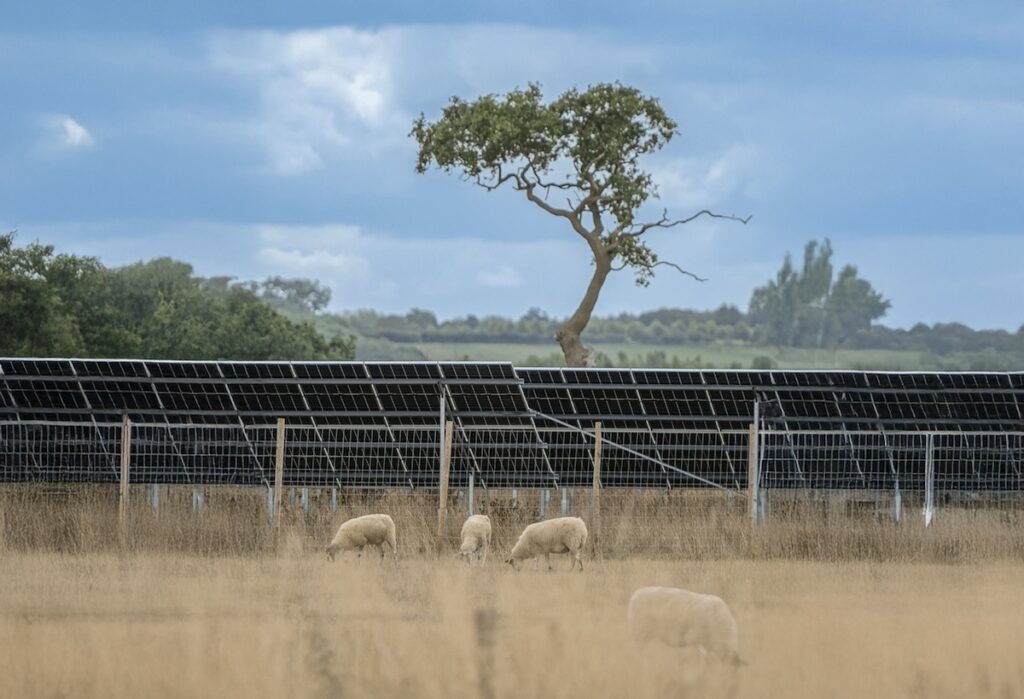
The site now has 36,000 solar panels, 82 inverters and three transformer stations, along with two substations on site, one belonging to Low Carbon Hub and the other to SSEN. The whole thing runs at a capacity of 19.4MW and generates around 21,500 MWh of electricity per year.
The next step is the addition of a Battery Energy Storage System (BESS), which was ordered in March 2026 and is expected to connect to the grid in November 2026. This will mean that energy generated on very sunny days can be stored and released at times when it is actually needed most, rather than going to waste.

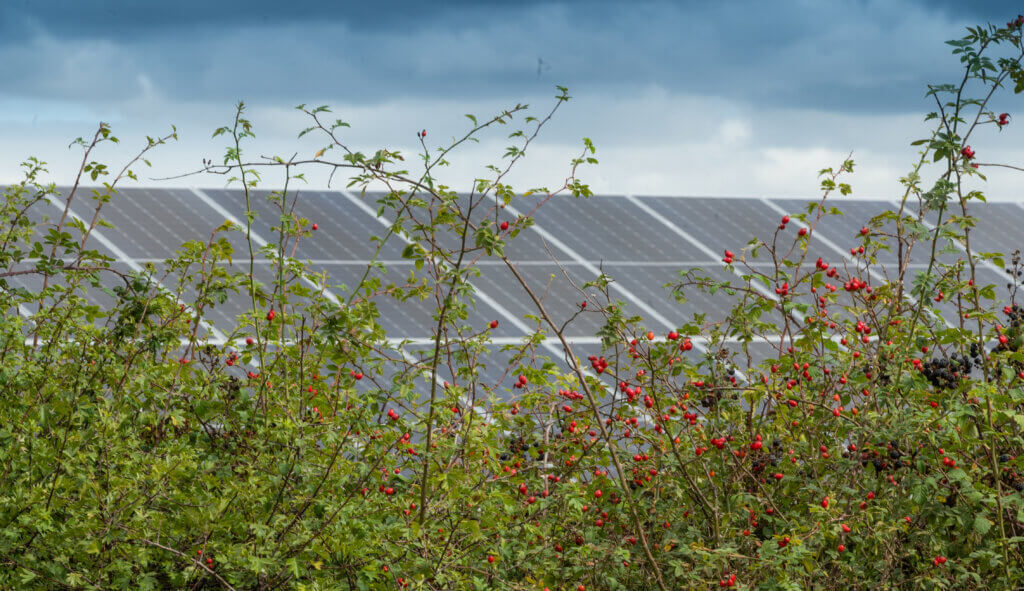

Beyond the panels, the park has been designed with wildlife very much in mind. Two miles of native hedgerows have been planted across the site along with more than 60 trees around ponds and two wildflower meadows. Great crested newts are a protected species on the land, and three ponds have been created for them, with the newts using one pond for shelter and another for feeding.
There are also five beehives on site, each with their own queen, which have been producing Ray Valley Honey since the park opened.
What about the future at Ray Valley?
As part of our tour, we found out more about the new Battery Storage System we’ll be installing at the park. Adding solar battery storage is expected to increase the lifetime surplus available for community benefit by over £1 million, and will power up to 1,100 homes for four hours at peak demand.