
Reflections on OxFutures: delivering low carbon growth through collaboration
Author
 Alison Grunewald
Publication date 11 July 2023
In March 2023 the £4.2M OxFutures project came to an end. It delivered on its ambition to grow Oxfordshire’s low carbon economy and has created a significant legacy. Alison Grunewald reflects on the importance of collaboration in achieving such a successful outcome.
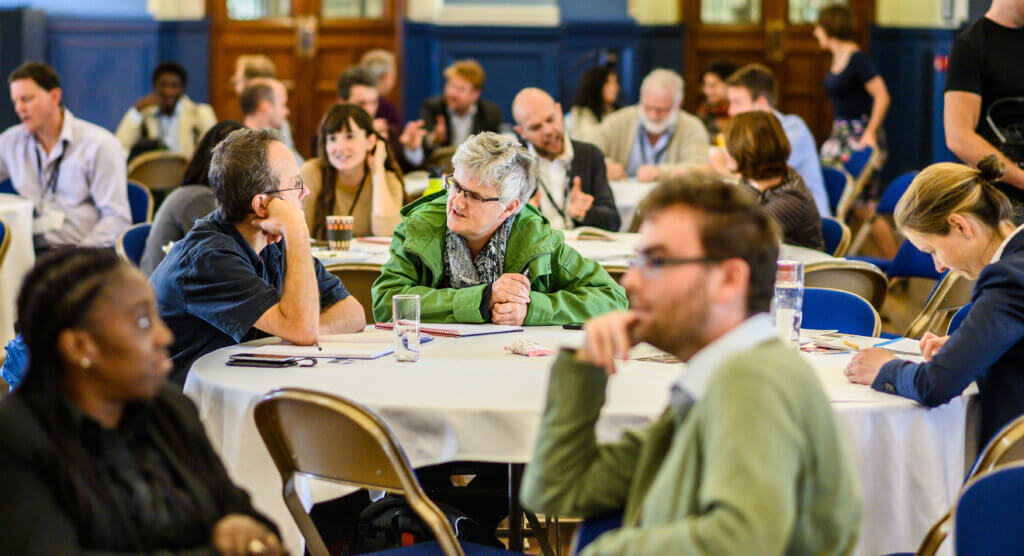
It takes two to tango, but OxFutures choreographed a dance of six partners, all of whom contributed vital aspects to deliver a complex set of low carbon objectives. Two universities, two local authorities, and two not-for-profit partners – that is a lot of different ways of working, different approaches to problem solving, and different remits. This can easily lead to misalignment of goals and miscommunication, so why did it work for OxFutures?
- Duration: The project was long enough to build relationships. All the partners were involved for three or even six years. Good collaboration can’t be rushed. Trust and mutual understanding develop over time.
- All partners approached the project with a ‘can-do’ attitude. When problems arose, we all committed to problem-solving them. Successfully overcoming challenges together increases trust and breeds mutual respect.
- There were no free riders who didn’t pull their weight. All the partners undertook their work with passion and a real commitment.
- We had six partners, with multiple staff involved, but at any one time there were no more than six of us working on a particular issue.
- There was a clear understanding of roles at the beginning of the project. All partners shared similar values and one overarching problem we were trying to tackle which was climate change. They had different objectives that were important to them, but there was a real sense of shared purpose.
Some of these points were simply good fortune. I was lucky to work with brilliant and motivated partners. However, there are some deliberate steps that may have helped us in fostering this collaboration and benefit from each other’s motivations.
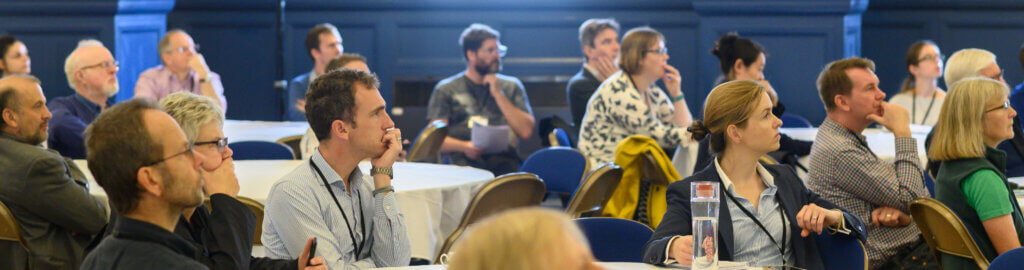
The most important take away for me is this: invest time at the beginning of collaborative projects to focus on the problem each organisation is trying to solve and not on the solutions you are trying to create. Then make a list of each individual organisation’s objectives, the shared objectives and, if you like, personal objectives everyone has for the project. Define what the measures of success look like for each of you and understand each organisations values and working styles, which could be quite different.
I encourage you to look at the OxFutures legacy report, which includes plenty of examples of this process in action (see below).