
Pathways to 2050
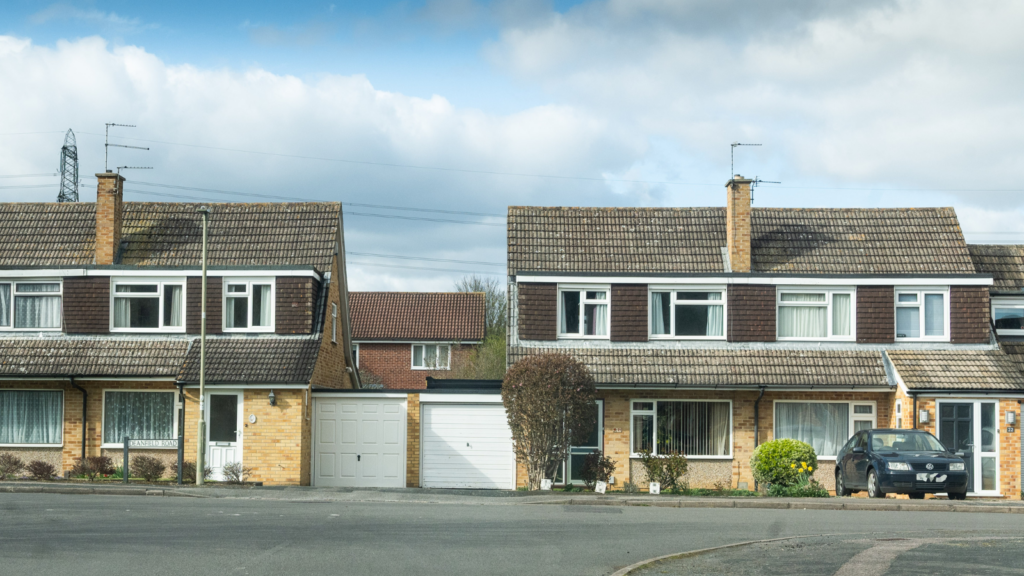
Britain’s electricity network was built for a time when most homes simply consumed electricity.
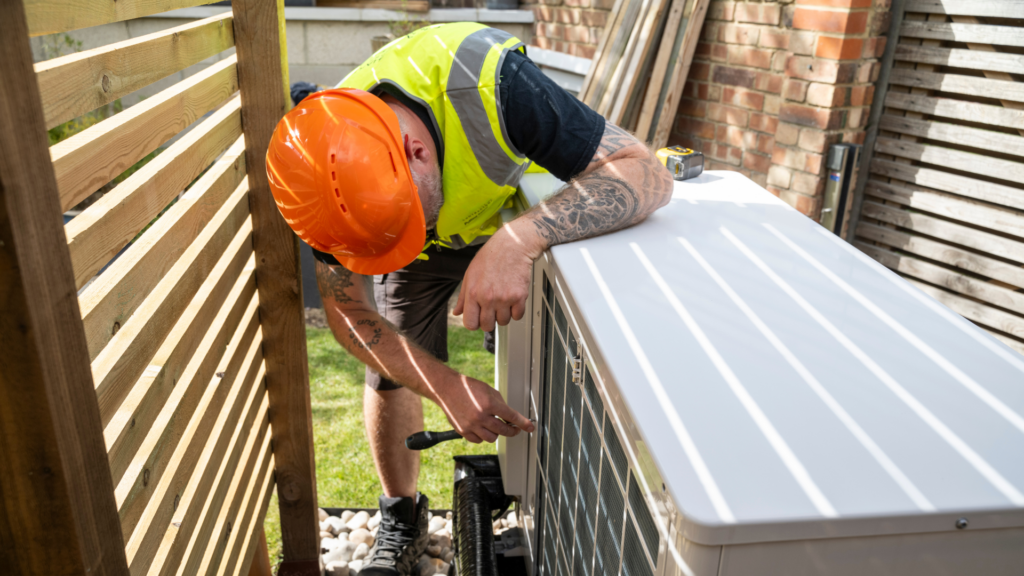
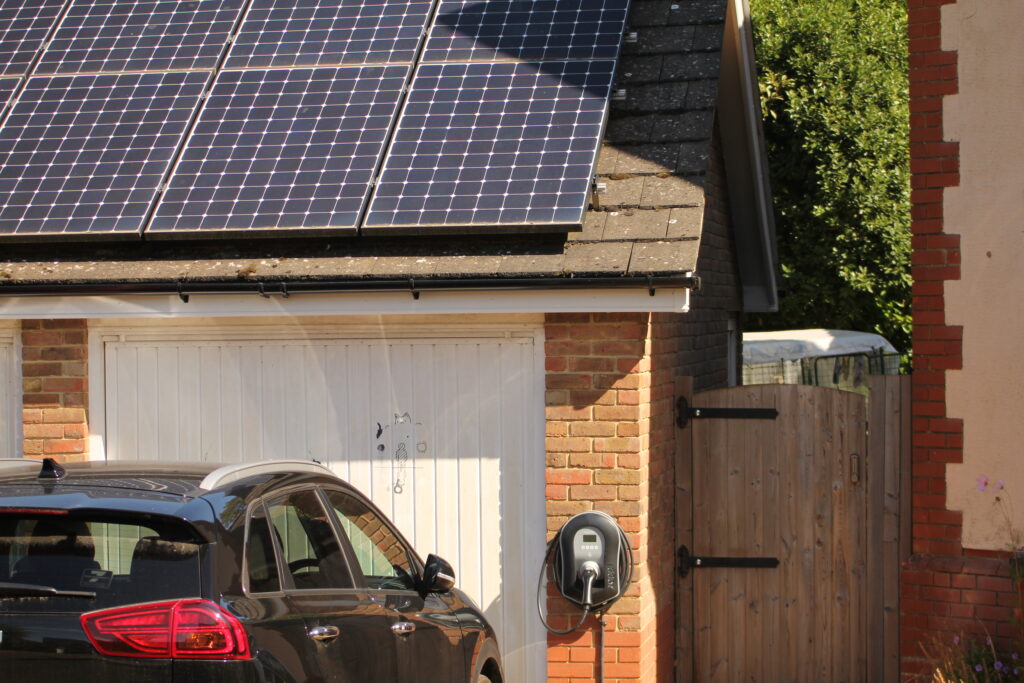
But as we move from fossil fuels to an electrified world where more people install solar panels, switch to electric vehicles and warm their homes with heat pumps, local electricity networks need to be reimagined to handle more clean power, and to support electricity flowing in both directions.
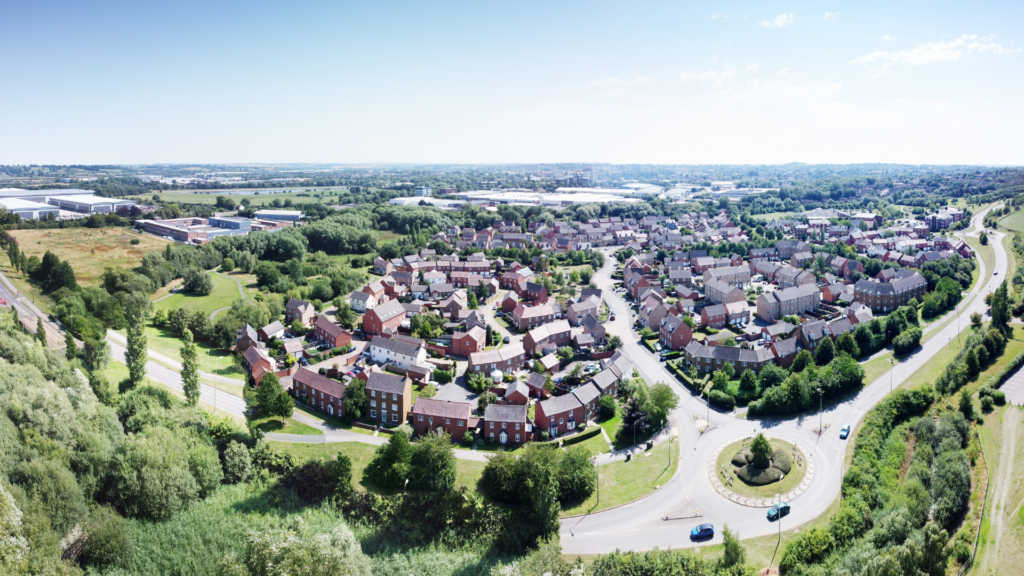
The UK’s local electricity network is made up of around half a million neighbourhood “substations”. These can vary from small units mounted on the poles that carry the cables, to larger secure compounds and buildings. They are very common, but most of us walk past them without noticing.
These substations are connected by more than 375,000 kilometres of cables which carry the power directly into our homes and businesses. These assets will need upgrading over the next 25 years in a way that is safe, affordable and quick to deliver.

What is Pathways to 2050?
Pathways to 2050 will create a methodology and IT solution that will enable the network operator to identify the necessary network interventions in a way that’s fair and cost-effective for customers, more predictable for investors, and easier to deliver for engineers. The solution will include access to information about planned network upgrades, which in turn gives communities and local decision makers visibility of network capacity, current limitations on the system, and opportunities for growth.
Community insight will also help shape where and how network upgrades are delivered. That’s where the Low Carbon Hub come in.
Low Carbon Hub’s role
Through our work at the grid-edge, the point where we all connect to the electricity network in our homes and businesses, we’ve developed an approach to bridging the work of communities, local authorities and network operators.
This ‘grid edge coordination’ role works to help communities develop plans for decarbonised action plans at a local level. For Pathways to 2050, we’ll be working closely with partners within our communities to gain their insights. We’ll then work with them to develop materials that share the project’s findings.
This is a collaborative, Ofgem-funded project led by Scottish and Southern Electricity Networks (SSEN) Distribution. In addition to Low Carbon Hub, the project is also supported by partners providing data science, decision analytics software, and consumer segmentation and engagement.
The clean energy transition is in full swing. But for it to be a success, we must rethink our electricity networks. We know that our electricity operators want to do this in a way that causes the least disruption to residents and businesses. And because the cost of these upgrades is spread across all our bills, we also want it done as efficiently as possible. This project is an important step towards making that happen. Using real-life data, grounded in community insights, we can support our network operators make the best possible plans for network upgrades, working with the communities in which they operate so that everyone benefits.
Dr Barbara Hammond, CEO, Low Carbon Hub