
Mythbusting
+ our most frequently asked energy questions answered
The world of energy is a confusing one, especially in the UK. It’s not always obvious where – or who – to turn to when you have questions, no matter how ‘in the loop’ you are.
That’s why we’ve compiled our most frequently asked energy questions across the years we’ve spent with residents, businesses, community groups and local authorities with our best answer to the big (and small) questions.
Can’t find your question listed here? Our helpdesk is here to support the development of community-owned energy.
Get in touch with us, and we’ll do our best to answer you as soon as possible.
Energy systems and community energy
What is community energy?
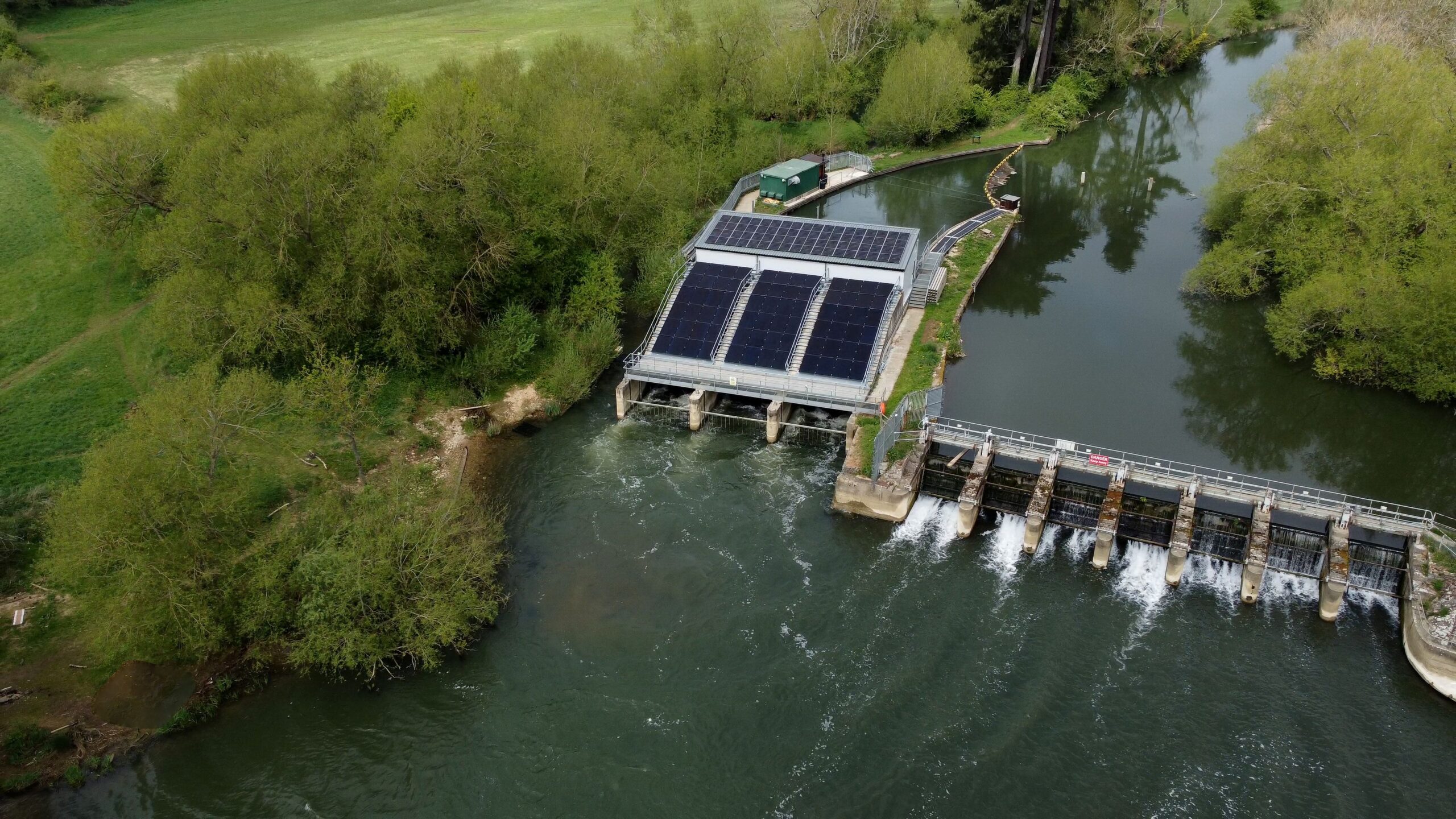
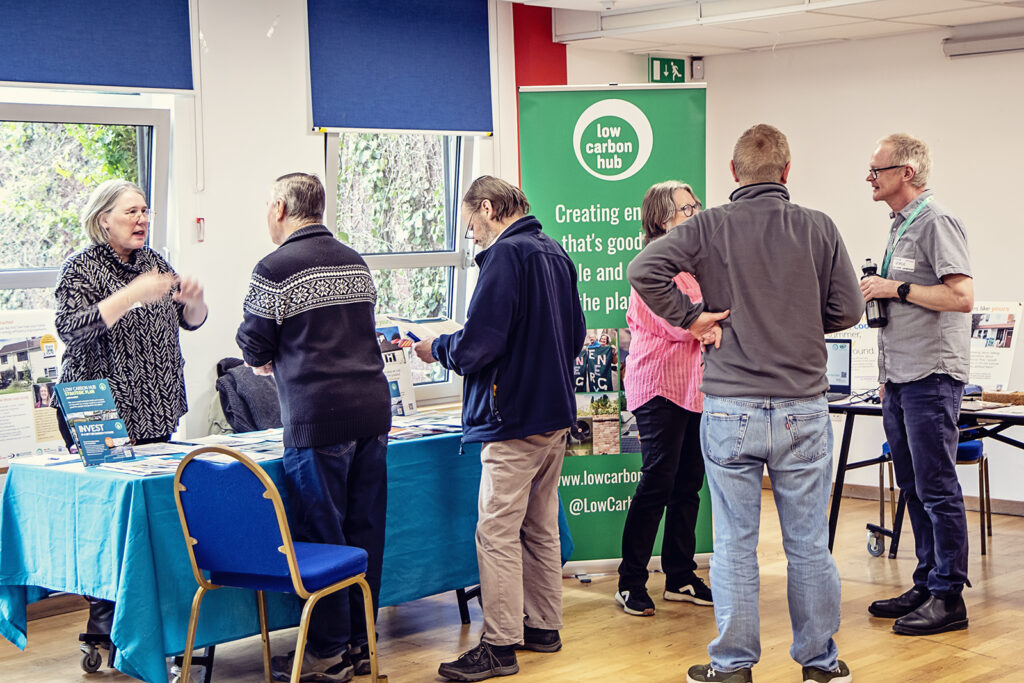
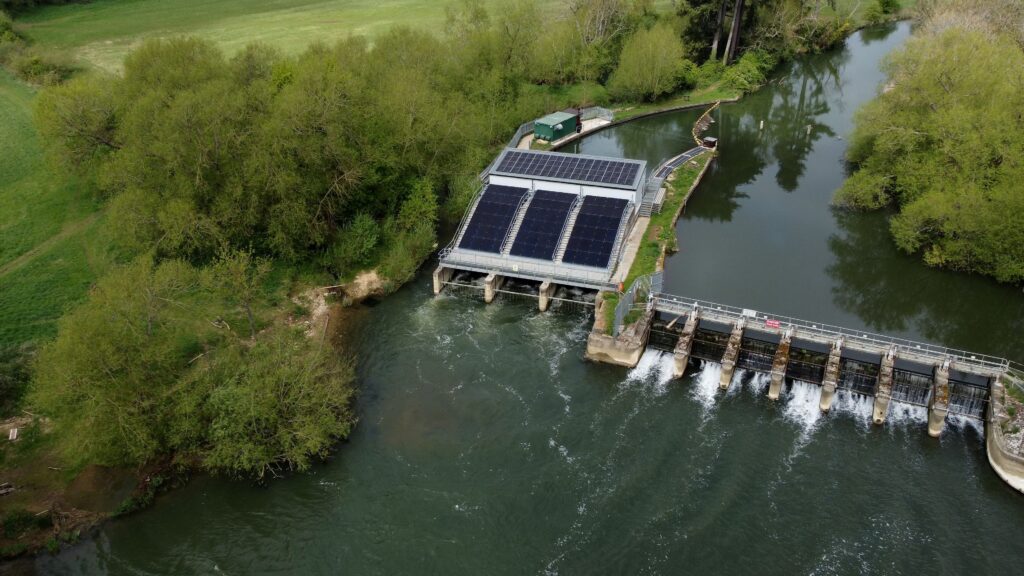
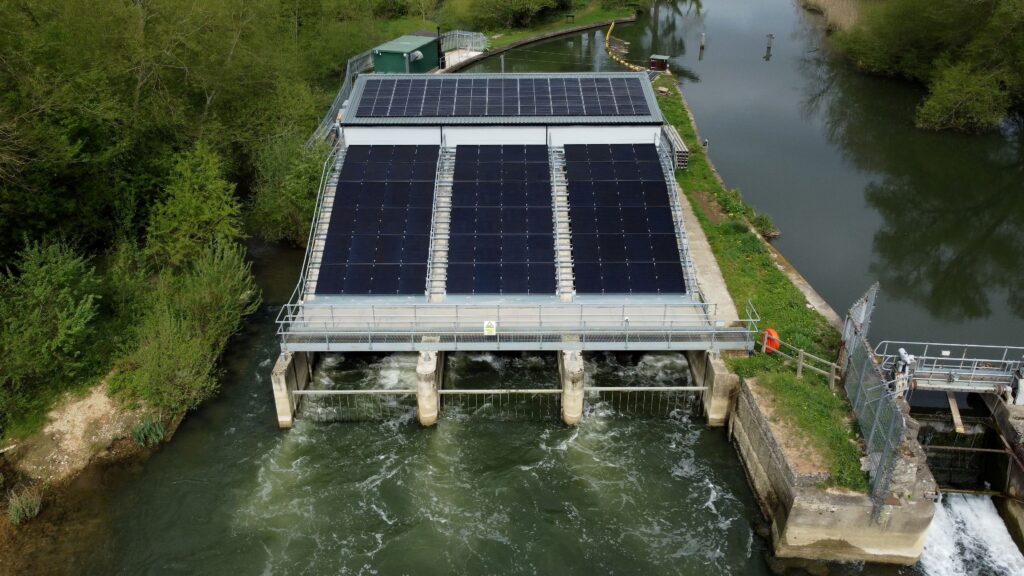
Community energy projects are owned and run by local people for local benefit. They generate renewable energy and reinvest profits into further carbon-cutting initiatives. Low Carbon Hub helps communities in Oxfordshire set up and manage these projects, powered by our 50+ renewable projects.
What are the benefits of community energy?
Community energy projects lower bills, cut carbon emissions, and reinvest in local initiatives. They keep money within the local economy, build resilience, and empower people to be part of the energy transition.
Why are bills rising if renewable energy is cheaper?
Renewables are the cheapest form of electricity, but the UK’s energy market is still tied to fossil fuel prices. Our reliance on gas means that when global gas prices rise, so do our bills. A more decentralised energy system with local renewable generation and storage can help protect against price spikes.
Do we still need fossil fuels while renewables scale up?
We will still need to generate energy using fossil fuels for now, but the UK is already generating a large share of its electricity from renewables, and that share is growing. Instead of new fossil fuel projects, we need to invest in clean energy, better storage, and a system that enables us to use energy when it is available from renewable generation, and store it for later when we don’t need it.
Is EV charging bad for the grid?
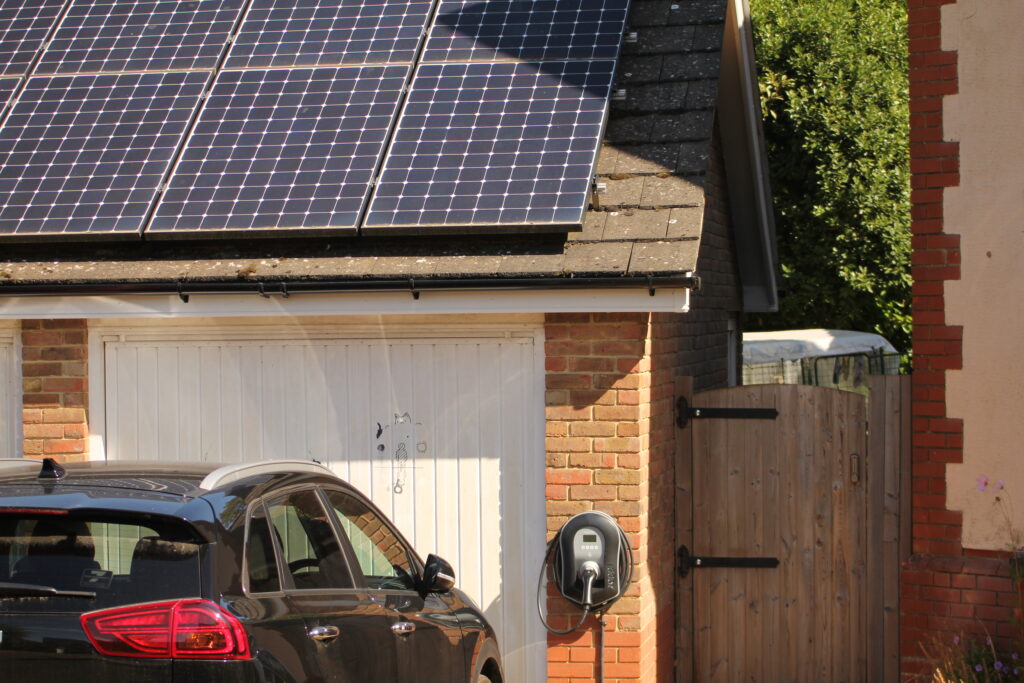
Electric vehicle (EV) charging increases our demand for electricity, but smart charging and vehicle-to-grid technology can help balance the grid. Charging when there’s excess renewable energy and feeding power back to the grid when needed makes EVs part of the solution, not the problem.
Does nuclear energy have a role in a low-carbon future?
Nuclear is low-carbon, but it’s expensive and slow to build. Renewables, energy storage, and grid flexibility offer a faster and more cost-effective way to cut emissions.
Renewable energy installations
Why cover our fields in solar when we have rooftops?
This is one of our most frequently asked energy questions – and it sounds perfectly reasonable. It’s true that rooftop solar is a vital part of our local energy mix, and using suitable existing rooftops makes sense. But it’s only part of the picture.
As Prof. Nick Eyre states in this video (1:40:59) (from Sustainable Woodstock’s ‘Clean Energy Why Here & Why Now’ event, 50% of our solar potential will come from rooftop solar (domestic, business and schools) and 50% from ground mount solar, so we need a “substantial contribution from both”. Therefore, rooftop solar alone won’t meet our needs.
Read more about why we need both ground mount and rooftop solar here.
Are solar panels bad for the environment?
Solar panels require materials and energy to produce, but they generate far more clean energy over their lifetime than is used in manufacturing. Most last 25–30 years, and recycling technology is improving to recover valuable materials. Compared to fossil fuels, solar energy has a much lower environmental impact.
Isn’t renewable energy unreliable?
The output of solar panels and wind turbines does depend on the weather, but energy storage and a mix of renewables make them reliable. Batteries store excess energy for later use, and a more flexible energy system will help to balance supply and demand. The more we invest in these solutions, the stronger and more resilient our energy system becomes, and the less we rely on energy from elsewhere.
What happens to old wind turbines and solar panels?
Most of a wind turbine (85–90%) can be recycled, and work is ongoing to improve turbine blade recycling. Solar panels contain valuable materials like silicon and aluminium, which can also be recovered. Recycling processes continue to advance as the industry grows.
Renewables can’t power the whole world can they?
According to a study by Carbon Tracker cited in New Scientist, wind and solar power alone could supply the world’s energy needs 100x over. Their research shows that just 0.3% of the world’s surface would need to be utilised by renewable energy to meet demands, equivalent to the current space used by fossil fuel infrastructure or golf courses in the UK!

Sustainable homes and businesses
How can I get solar panels for my home or business?
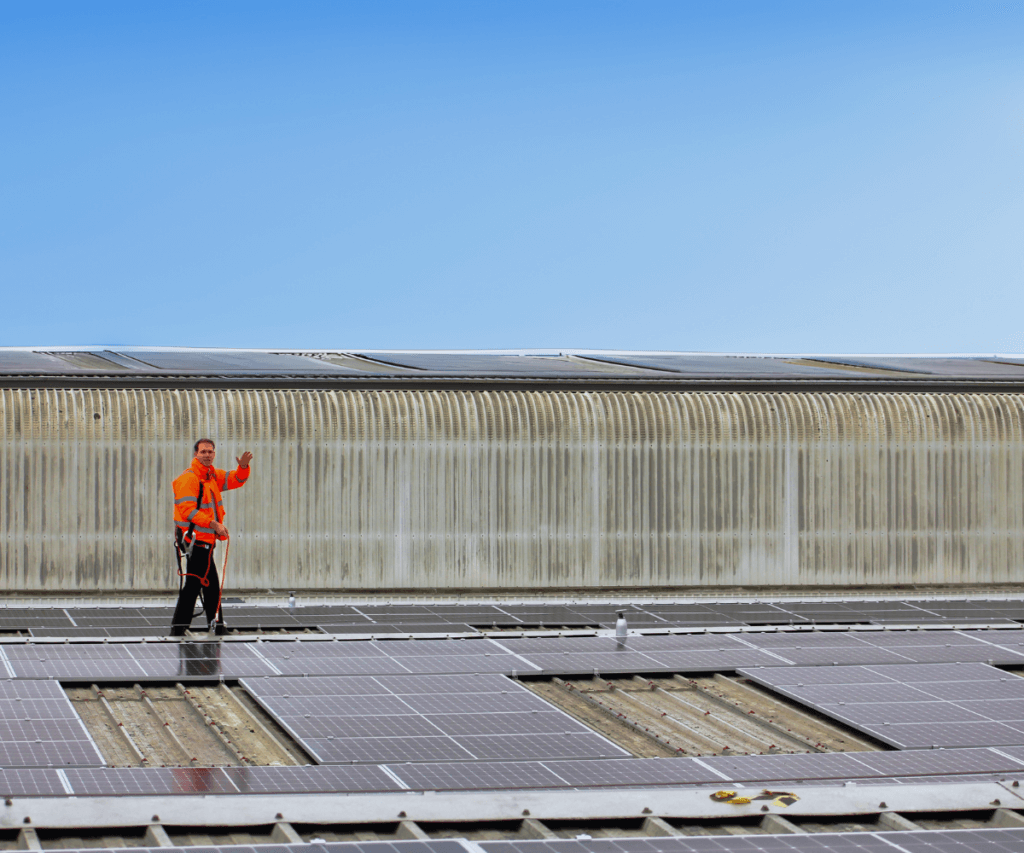
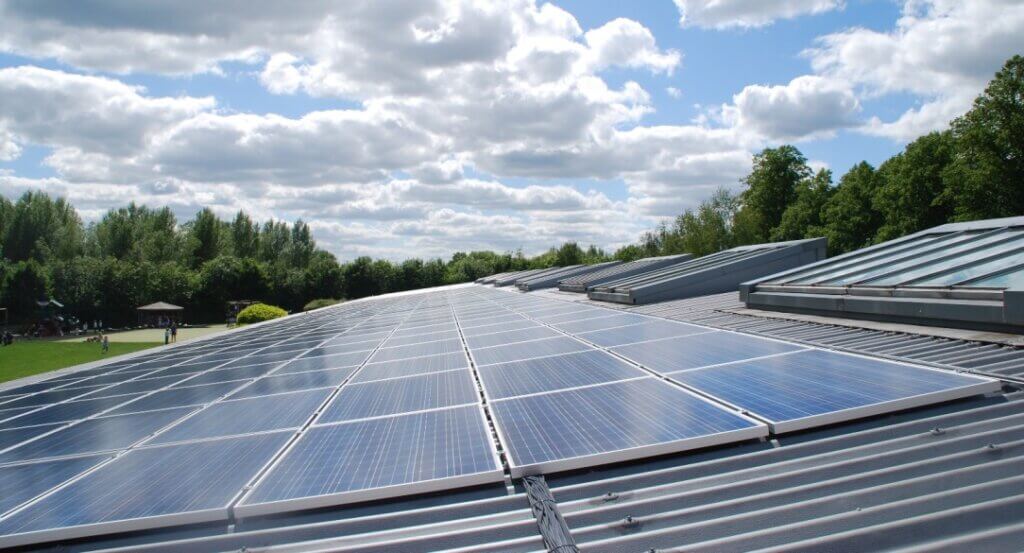
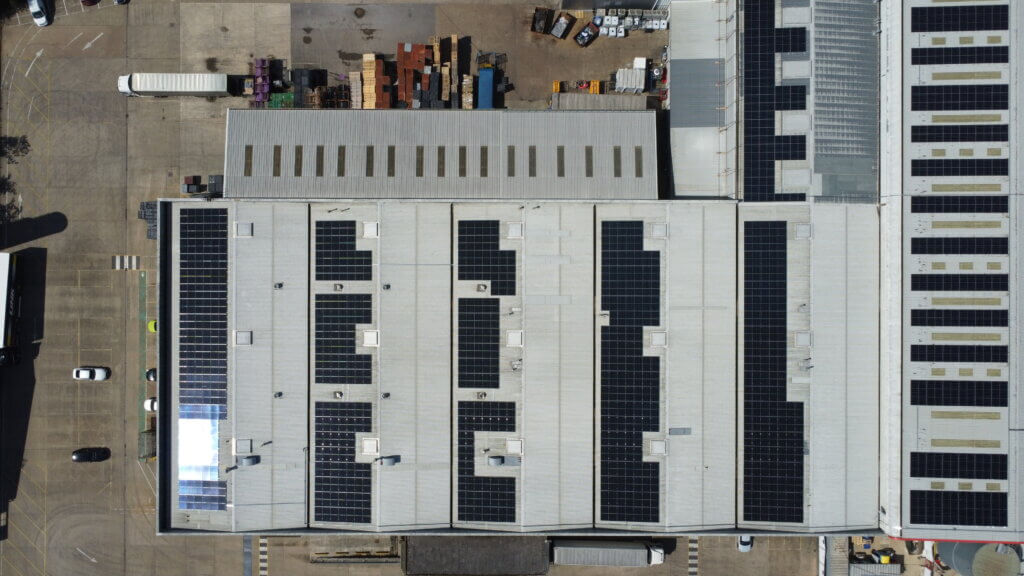
For homes, contact a trusted solar installer for an assessment. If you’re a business with a large roof space, Low Carbon Hub’s rooftop solar programme offers fully funded solar panels, meaning no upfront costs and access to cheaper, greener energy.
How can I reduce my energy use at home?
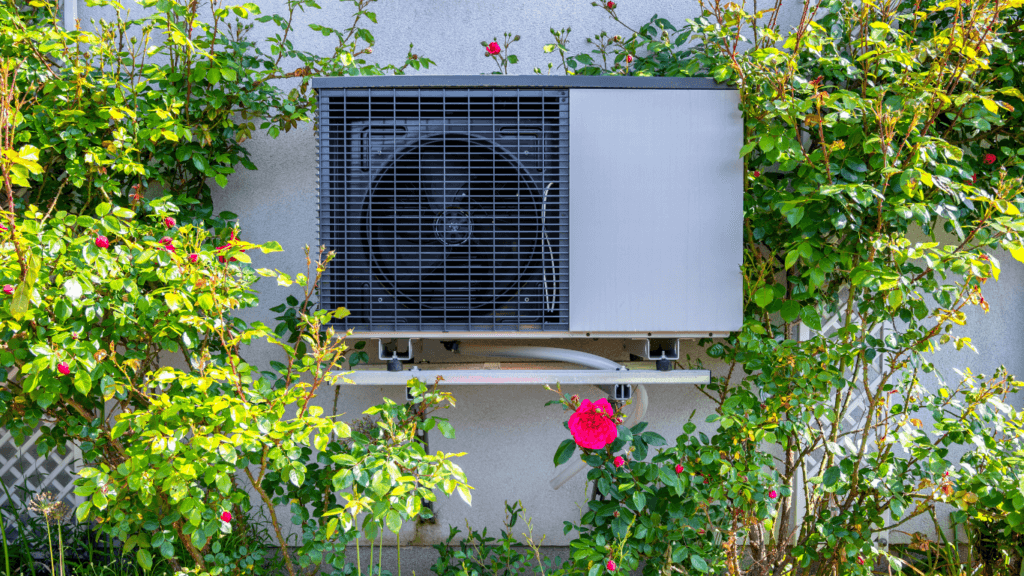
Simple steps like switching to LED bulbs, improving insulation, and turning appliances off standby can make a big difference. Bigger changes, such as installing a heat pump or solar panels, have a long-term impact. See our Energy Advice and Support pages to see what’s possible in your home. Advice includes low and no-cost measures as well as key information on staying warm throughout the winter.
I rent my home – how can I make a difference?
You can switch to a green energy supplier, improve energy efficiency with small changes (like draught-proofing), and support community energy projects. Many initiatives, such as joining a local low-carbon community group, don’t require home ownership. You can also send your landlord some information on energy efficiency improvements for their rental properties from Cosy Homes Oxfordshire.
How can I help my workplace save energy?
It’s often difficult to know where to start saving energy at work, so if you’re in Oxfordshire you can apply for a free energy assessment from our Energy Solutions Oxfordshire team to get started. An energy assessment will help identify some low and no-cost actions for you to take.
Renewable technologies work best when the building’s basic efficiency issues have been fixed first. For example: improving insulation and air tightness helps ensure a heat pump runs efficiently. Solar PV is most cost-effective when you can use a good proportion of the electricity on-site.
Why should businesses install solar panels?
Solar panels help businesses cut energy costs, reduce carbon emissions, and improve sustainability credentials. Through Low Carbon Hub’s rooftop solar programme, businesses can access fully funded solar panels with no upfront costs, benefiting from cheaper green electricity.

Climate change and communities
Why should we take action when the US and China are the biggest polluters?
Climate change is a global issue, but local action is crucial. By cutting carbon in Oxfordshire, we help build a cleaner, fairer energy system and set an example for wider change. The UK has historically been a major contributor to carbon emissions, so we have a responsibility to act. Community energy also brings direct benefits – lower energy costs, local jobs, and a more resilient system.
Net zero won’t happen, will it?
Net zero is a big challenge, but we have the solutions – renewable energy, energy efficiency, and plans for an energy system that is both more flexible and resilient. Low Carbon Hub is working with communities, businesses, and local authorities to accelerate progress. The more people who get involved, the faster we’ll have a sustainable world to live in.
How can communities take action on climate change?
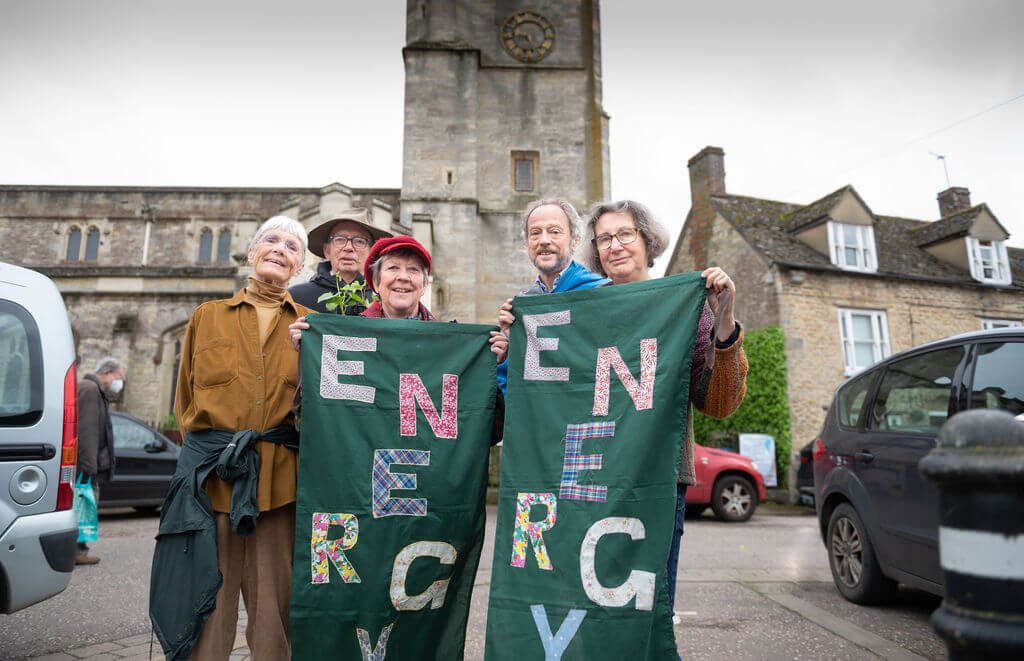
Communities can set up locally-owned renewable energy projects, help raise awareness of how residents and local businesses can improve their energy efficiency, encourage more sustainable travel use locally and much more. Low Carbon Hub supports community groups across Oxfordshire to take meaningful climate action – you can see some of their inspiring stories here.
How can schools get involved in sustainability?
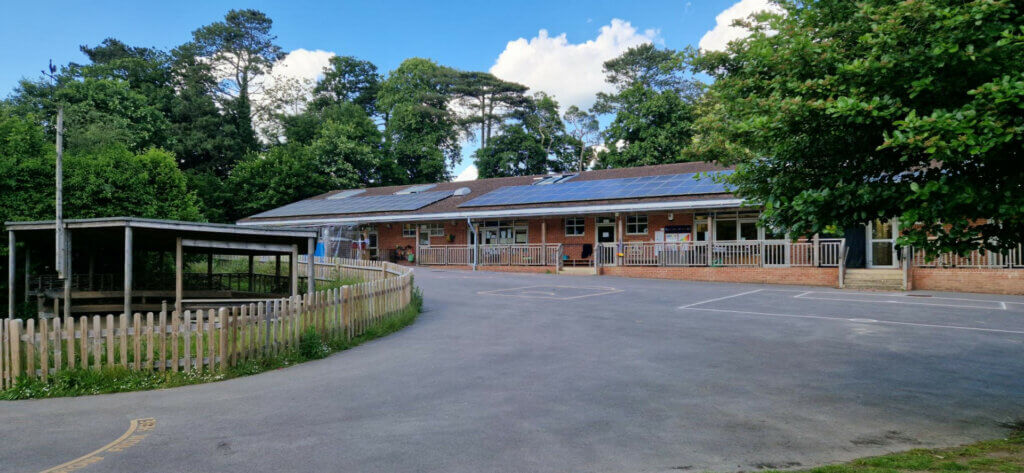
Schools can cut carbon by improving energy efficiency in their buildings, installing renewables, and educating students about sustainability. Low Carbon Hub has helped many schools install community-owned solar panels, reducing costs and emissions. Schools can also run eco-clubs and take part in energy-saving initiatives. Action on Carbon and Energy in Schools has some useful resources for schools.
How can my community start a renewable energy project?
A group of people coming together is the first step. Whether installing solar panels, setting up an energy-saving scheme, or working with Low Carbon Hub, we provide advice, funding opportunities, and support to help communities get started. Contact us at info@lowcarbonhub.org with your query and we’ll get back to you.
About Low Carbon Hub
How can I get involved with Low Carbon Hub?
Low Carbon Hub has nearly 2,000 investor members who support our work, funding the installation of new renewable energy projects across Oxfordshire. We wouldn’t be here without them. Find out about our latest investment opportunities here.
You can also support community energy by joining a local low-carbon community group, encouraging your local business or school to install community solar panels and reduce their energy use.
Does Low Carbon Hub make a profit?
We are a community benefit society, meaning any surplus is reinvested into community energy projects, energy efficiency programmes, and local carbon-cutting initiatives. Our goal is to benefit Oxfordshire, not maximise profits.