
Smart energy
What is it, and who is it working for?
Author
 Beth McAllister
Publication date 2 October 2026
Highlights from our Community Energy Insights webinar with Dr Emilie Crossley of the Centre for Sustainable Energy
Smart tariffs, smart meters, smart plugs, smart thermostats: it can be hard to know where to start with these different technologies and offerings. But they are becoming an increasingly important part of the energy landscape.
We invited Dr Emilie Crossley, a researcher at the Centre for Sustainable Energy (CSE), to give us an introduction at our latest ‘Community Energy Insights’ webinar on 17 September.
Emilie’s work focuses on researching the different products and services available to people in the smart energy space. She’s particularly focused on looking at how these services either address or exacerbate existing inequalities.
Here are the key points from her talk and the discussion that followed.
Why we need to be flexible
Our energy system is changing, and it brings three challenges:
- Renewables are intermittent. Wind and solar depend on the weather, so matching supply and demand is harder. Today we balance the grid with gas, and that won’t be an option in the future.
- Network capacity is stretched. Lots of small generators, like rooftop solar, feed into a network that was built to carry power one way, from big power stations.
- Demand is rising. As heating and transport electrify, there is more pressure on the grid.
Part of the answer is flexibility: shifting when we use energy to reduce pressure on the grid at peak times, typically mornings and early evenings. Emilie explained that storing electricity is expensive and can be carbon intensive because of how big batteries are made. Where we can, it’s better to shift our use to times when there’s plenty of renewable generation.
Smart tariffs
Time-of-use tariffs charge different prices at different times of day. They come in two main types:
- Static tariffs have fixed periods and consistent rates. Economy 7 is one people may have heard of before. They’re simple and predictable, and suit people who can shift some use of their energy.
- Dynamic tariffs change every half hour, following wholesale prices. They can offer very cheap electricity, and sometimes even payment for using surplus renewable power, but they carry more risk and take more keeping track of. They suit people who are happy to watch prices, or who can automate things like EV charging.
Emilie’s main caution was that smart tariffs work best for households with high electricity use and flexible routines, such as those with an EV, heat pump, storage heaters or a home battery. Get the timing wrong and your bills could go up.
At the time of the webinar, the dedicated storage heater tariff, Snug Octopus, had an off-peak rate of 9p per kWh, about a third cheaper than a typical Economy 7 off-peak rate.
One disparity Emilie pointed to really sticks with you: charging an EV currently costs less per unit of power than running a night storage heater. It’s a reminder that not everyone is starting from the same place in this transition.
The market has also been turbulent this year due to global geopolitical events. As energy prices became volatile, some tariffs were paused and later returned, and others were discontinued altogether. That makes choosing harder.
For anyone who isn’t ready to switch to a smart tariff, demand shifting schemes reward you for using less electricity when the grid is under most pressure, or more when there’s a surplus. The rewards are smaller, from money off bills to free electricity or vouchers, but there’s no risk of your bill going up. It can be a low-stakes way to find out whether flexibility could work in your home.


Smart meters, and smart products
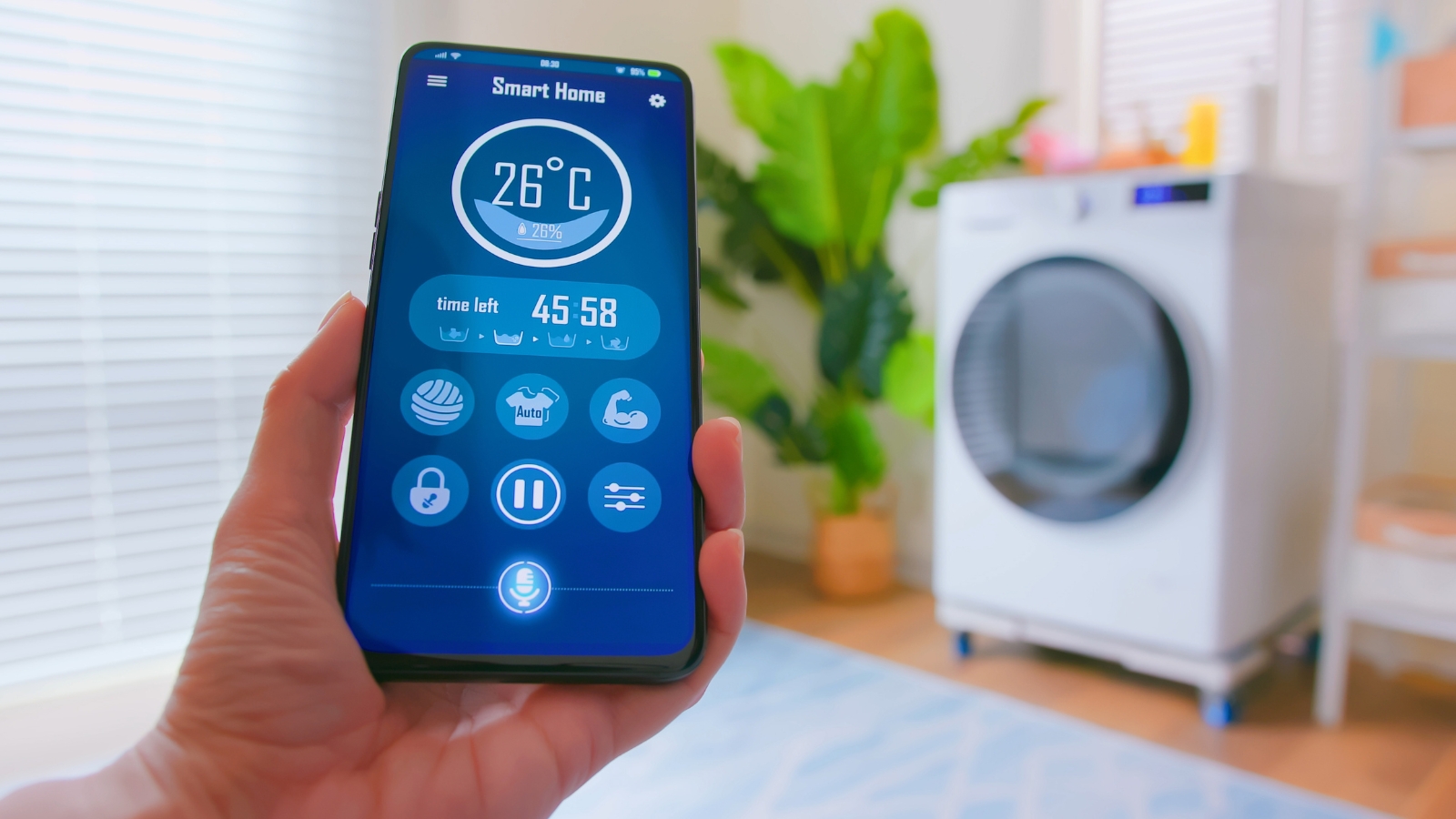
A smart meter is the key to accessing smart tariffs and demand shifting schemes. It records your usage every half hour and sends readings to your supplier automatically. Smart meters are free, and come with an in-home display that shows your usage and costs in real time. Households with EVs or heat pumps that can shift their use are the most likely to save money. For others, the main benefit is more accurate billing.
Emilie ran us through some smart products that help you make the most of a tariff:
- Smart or timer plugs switch appliances on and off at set times, and are very affordable.
- Smart thermostats and radiator valves give you more control over your heating. Check they’re compatible with each other, and if you have a heat pump, choose a thermostat designed for one.
- Smart storage heaters work out how much heat to store overnight and hold on to it more effectively than older models.
- Smart hot water tanks and immersion heaters learn when you use hot water and heat only what you need, potentially cutting hot water bills and emissions by up to 20%.
If you’d like tailored advice, CSE’s free Energy Choices Tool asks about your home, lifestyle and budget, then recommends types of solutions. It isn’t sponsored by any brands, so there’s no sales pressure.
The fairness question
The last part of the talk addressed a key concern we also have at the Low Carbon Hub too: that this smart energy transition risks deepening inequality, with wealthier households benefiting while others are left behind. Many smart tariffs are designed for people who can afford the technology, have the digital skills to manage it, and have routines that are easy to shift. People on prepayment meters or who don’t pay by direct debit are largely excluded.
In the Q&A, we talked about several of these issues:
- Data. Researchers need a clearer picture of who is actually signing up to smart tariffs to understand the market and assess who’s benefiting, but that data sits with suppliers. In a new, competitive market, suppliers are likely to treat it as commercially sensitive, so there’s a real tension between an open market and a fair one. Finding a way through that, probably via government or regulators, looks like a key piece of the puzzle.
- Digital access and confidence. Having a smartphone is one thing; feeling confident using it to manage energy is another. Retail banking faced a similar challenge with the shift to online banking, and there may be lessons to borrow from how that support was rolled out.
- Lifestyle. Working patterns and family routines can make flexing difficult, e.g. parents who get home from work need to feed children at a set time.
- Automation. Smart chargers and appliances that respond to prices for you could take the pressure off households.
- Risk. Emilie encouraged us to acknowledge the risks alongside the excitement, from higher bills on the wrong tariff to people cutting back on essentials like fridges during demand shifting events.
- Easy first steps. Don’t overlook the humble smart plug! It’s cheap, simple, and works with almost any appliance. If you already have a hot water tank, a smart immersion heater or smart hot water tank can also be a fairly easy upgrade.
Trusted, independent, personalised advice came up again and again. It echoes what we called for in our recent response to the government’s consultation on consumer-led flexibility. You can read more in our blog on the topic.
What’s next
More from CSE. Emilie’s team is running a Smart Energy Market Review webinar on 7 October, looking at the latest research on smart tariffs, low carbon technologies and flexibility services, with a focus on batteries. Find out more here: