Community energy and the energy transition
Author
 Beth McAllister
Publication date 2 February 2026
Our recent webinar brought together community energy practitioners, policy-watchers and engaged citizens to take stock of where the UK energy transition stands, and, crucially, what role community energy can and should play as we move into the next phase.
Led by our CEO, Barbara Hammond, the session moved from big-picture system trends to the reality of local delivery, fuel poverty, and policy barriers. What emerged was a clear message: progress is real, but the choices we make now will determine who benefits from the transition.
A system in change
The UK ends 2025 with genuine milestones behind it. For the first time since the 18th century, the country has gone a full year without coal generation, while renewable electricity continues to break records. At the same time, nuclear output is falling, and gas generation has crept back in to fill gaps. A reminder that the transition is not a straight line.
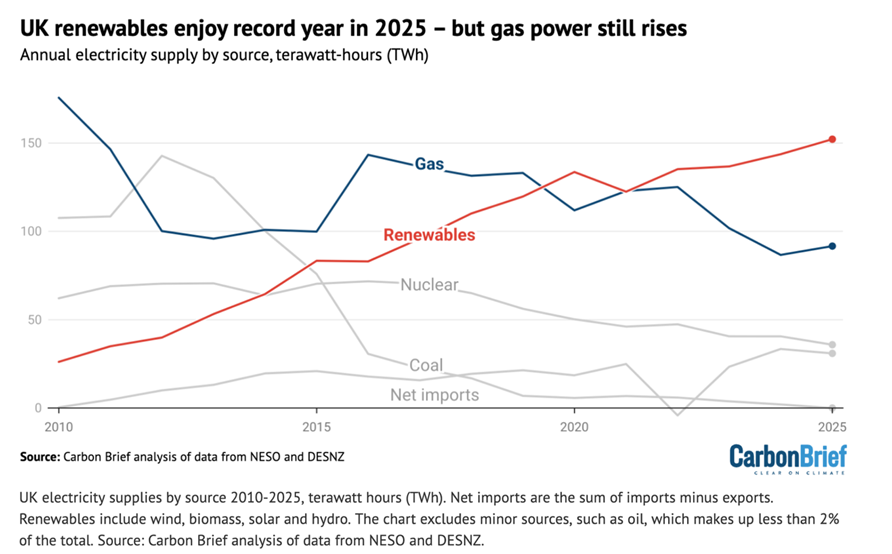
Electricity demand is also beginning to rise. That’s not necessarily bad news: it likely reflects the long-needed shift of heat and transport onto electricity. But as Barbara stressed, how we meet that demand matters. Simply building ever more generation without tackling demand reduction risks unnecessary system costs – costs that ultimately land on consumers.
Why community energy matters
Against this backdrop, community energy offers something distinctive. Not just more renewables, but a different ownership and benefit model altogether.
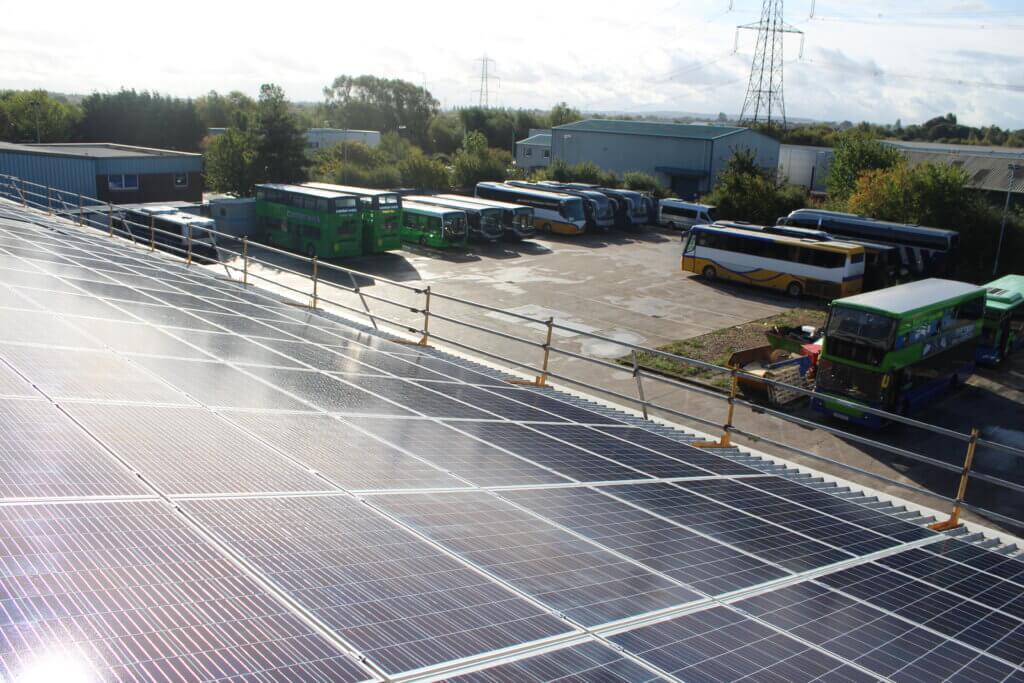
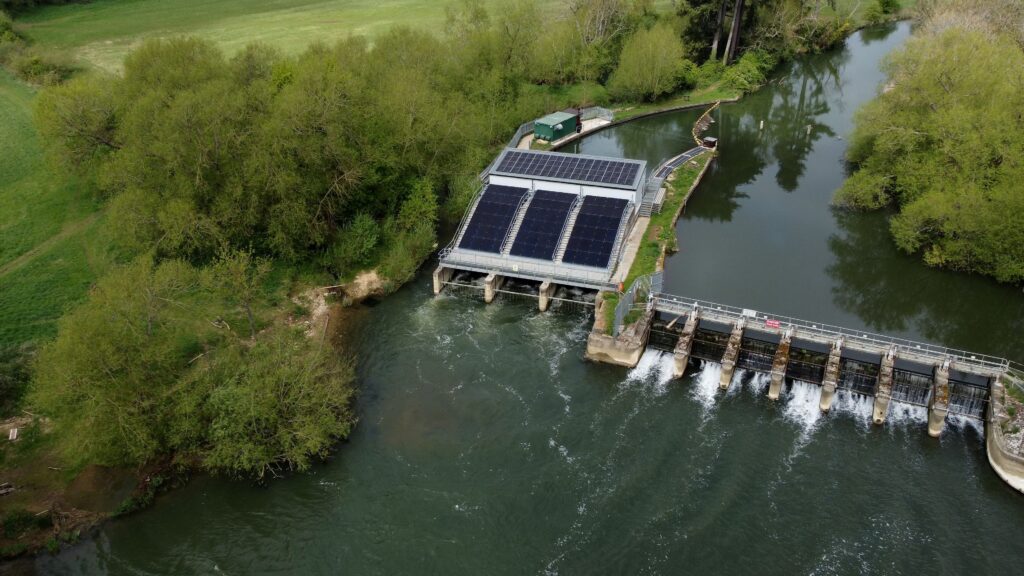
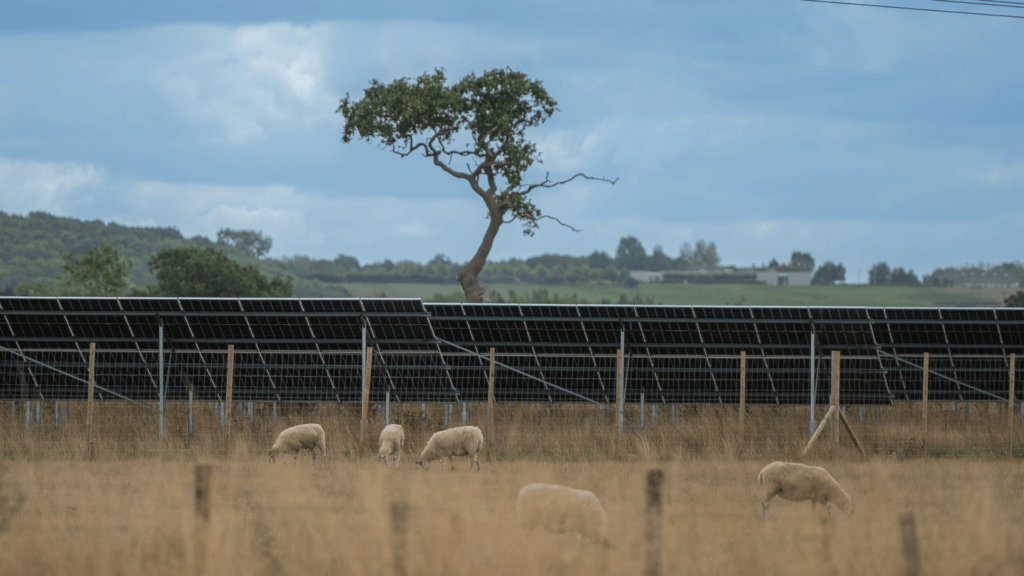
At Low Carbon Hub, community ownership underpins everything: ordinary people invest in renewable generation, revenues stay local, and profits are reinvested into further carbon reduction and social benefit. From rooftop solar and hydro to large-scale ground-mount solar at Ray Valley, the principle is the same, energy as a shared local asset, not just a commodity.
That model delivers multiple benefits at once:
- Environmental: accelerating renewable deployment and local energy resilience
- Economic: keeping energy value circulating locally rather than leaking out to distant shareholders
- Social: enabling participation, funding fuel-poverty support, and backing demand-reduction programmes
In an era where public trust and fairness are as important as megawatts, that combination matters.
For us community energy means: locally rooted renewable generation, storage or energy-efficiency initiatives owned or controlled by people or organisations for the benefit of the community.
Policy momentum and gaps
There are signs that government is starting to recognise this. Community energy now features in national political narratives, and forthcoming frameworks such as the Local Power Plan are expected to unlock funding and development routes for community-led projects.
But recognition alone isn’t enough. During the webinar, we highlighted several unresolved issues that will shape delivery on the ground:
- The absence of clear, enforceable expectations around community benefit and shared ownership.
- The complexity of planning and grid arrangements.
- The need for policy that genuinely supports flexibility, storage and consumer participation, not just large-scale assets
Without clarity here, community groups risk being invited into the transition rhetorically, but blocked in practice.
Planning locally, delivering locally
One of the most promising developments discussed was the growth of local and regional energy planning. In Oxfordshire, councils are collaborating on county- and district-level plans that map future energy needs spatially.
Done well, these plans can:
- Align national ambition with local realities
- Give communities a voice in what infrastructure is built, where
- Create clearer routes for community-led projects to plug into the wider system
Community energy organisations have a critical role here, not just as delivery partners, but as translators between system-level modelling and everyday lived experience.



Flexibility, storage and the next frontier
As the system becomes increasingly renewables-based, flexibility and storage move from “nice to have” to essential infrastructure. Batteries, smart tariffs, demand-side response and consumer-led flexibility are all important pieces of the puzzle. (If you want to know more about consumer-led flex, you can read our blog post on the subject).
There is real economic potential here, but only if access is designed inclusively. Smart meters, digital tariffs and flexible technologies must work for people in older homes, rented properties and on prepayment meters, not just early adopters with capital to invest.
The unfinished business: fuel poverty and inclusion
Perhaps one of the most sobering statistics highlighted was the scale of fuel poverty challenge. Around 4.5 million households in England are affected, with an estimated £135 billion required to bring all homes up to an adequate standard.
Technology alone won’t solve this. We pointed to the need for:
- Better-designed policies that work across tenures and incomes
- Listening to communities about what support actually helps
- Exploring models that integrate advice, retrofit and finance in low-income areas
Community energy is well placed to help shape these approaches, but cannot do it alone.
From conversation to action
The session closed with a call to get involved. That might mean:
- Joining or starting a local community energy group – we work with 50 low carbon groups right here!
- Investing in your local community energy share offer. You can see latest opportunities from Low Carbon Hub here.
- Engaging MPs and councils to push for stronger community-benefit frameworks. You can find out more about this in our next webinar: Maximising Community Benefit from Renewables taking place on Thursday 26 February.
- Staying connected through future webinars and shared learning. Signing up to our newsletter is a great place to hear about these.
The energy transition is happening. The question now is whether it becomes something done to communities, or something built with them.
Community energy offers a proven way to choose the latter.
Register for our next webinar